|
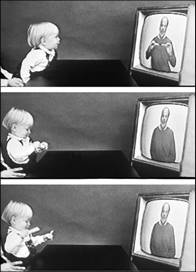
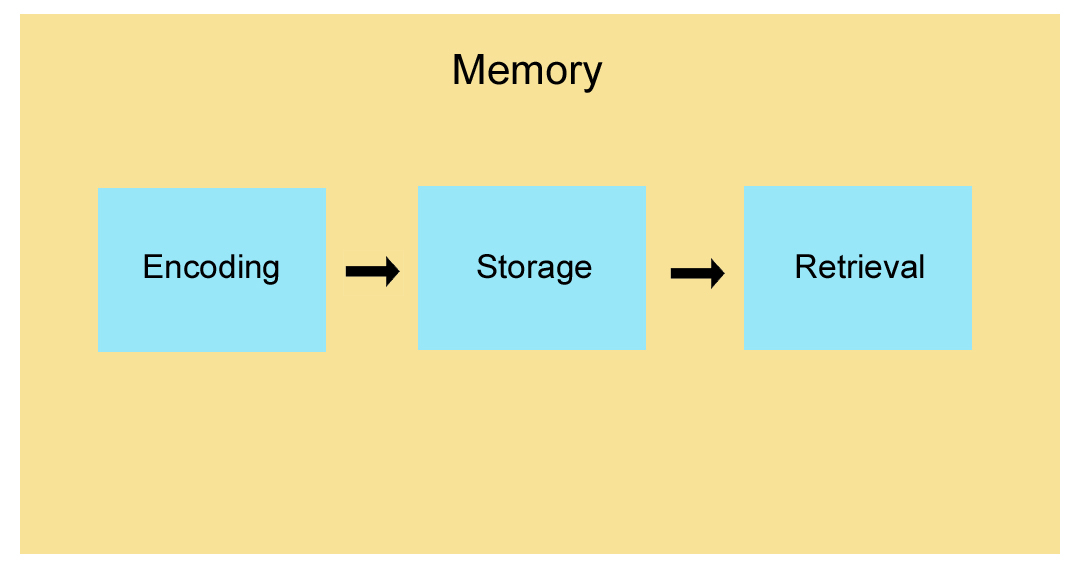
1
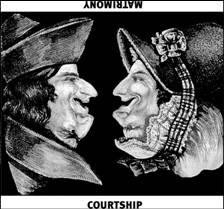
|
|
|
2
|
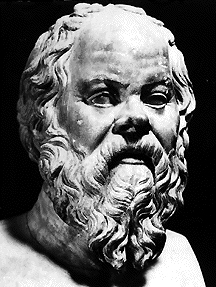
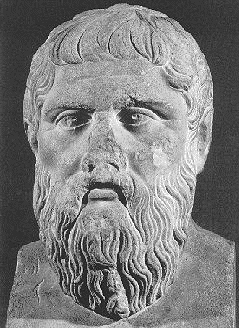
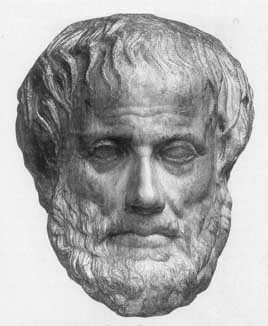
- Socrates (469-399 BCE) and Plato (428-348 BCE)
|
|
3
|
|
|
4
|
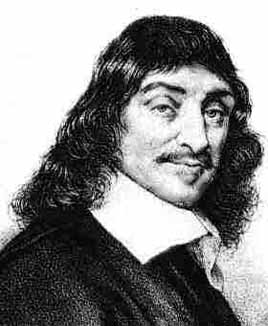
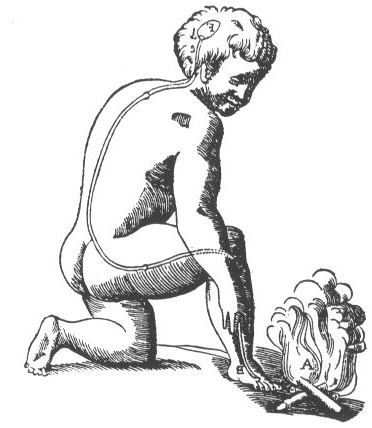
- Rene Descartes (1596-1650)
|
|
5
|
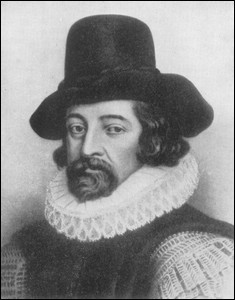
- Francis Bacon (1561-1626)
|
|
6
|
|
|
7
|
- Structuralism
- Functionalism
- Behaviorism
- Cognitivism
- Neuroscience
- Evolutionary psychology
- Psychodynamic psychology
- Humanistic psychology
- Behavior genetics
- Social-cultural psychology
|
|
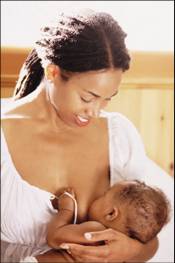
8
|
|
|
9
|
|
|
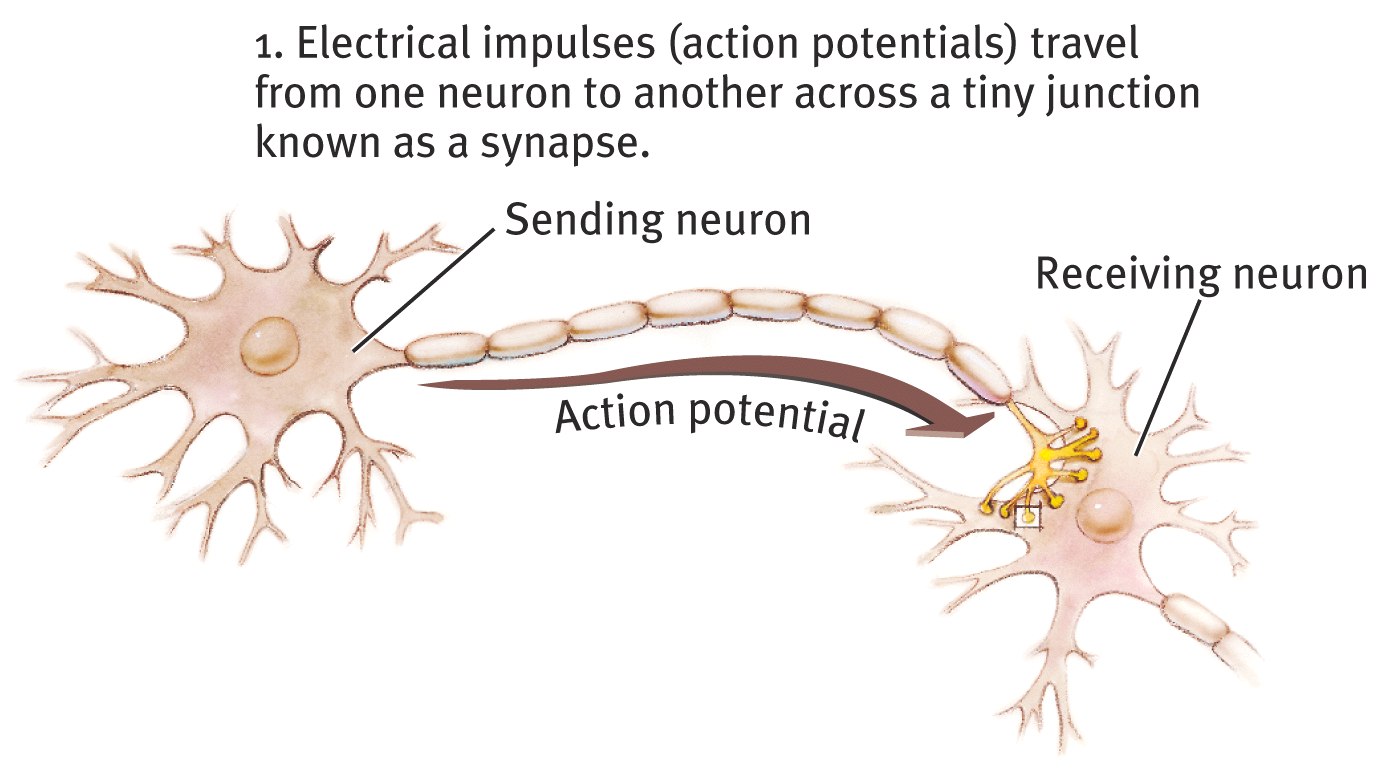
10
|
|
|
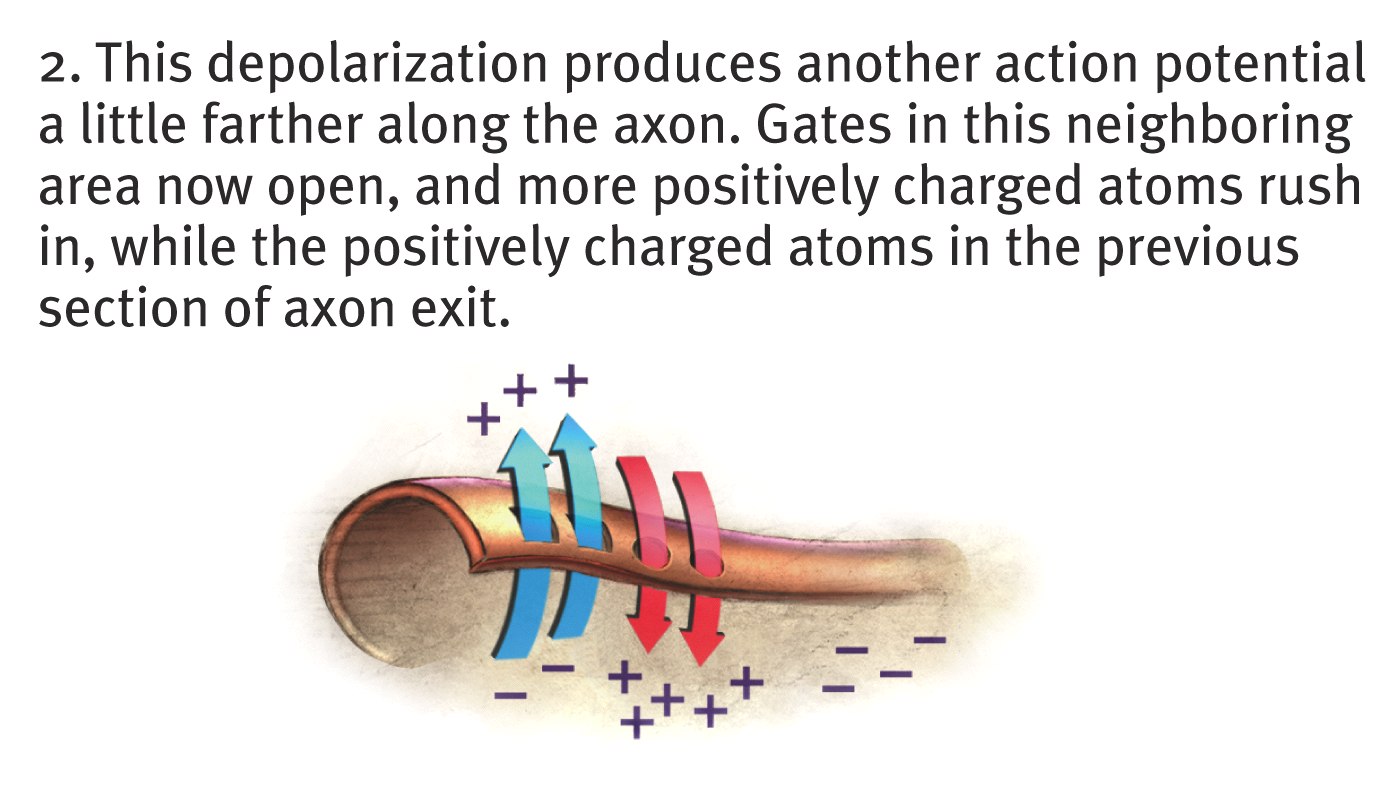
11
|
|
|
12
|
|
|
13
|
- We define psychology today as the scientific study of behavior (what we
do) and mental processes (inner thoughts and feelings).
|
|
14
|
- Psychology’s Big Debate
- Nature versus Nurture
|
|
15
|
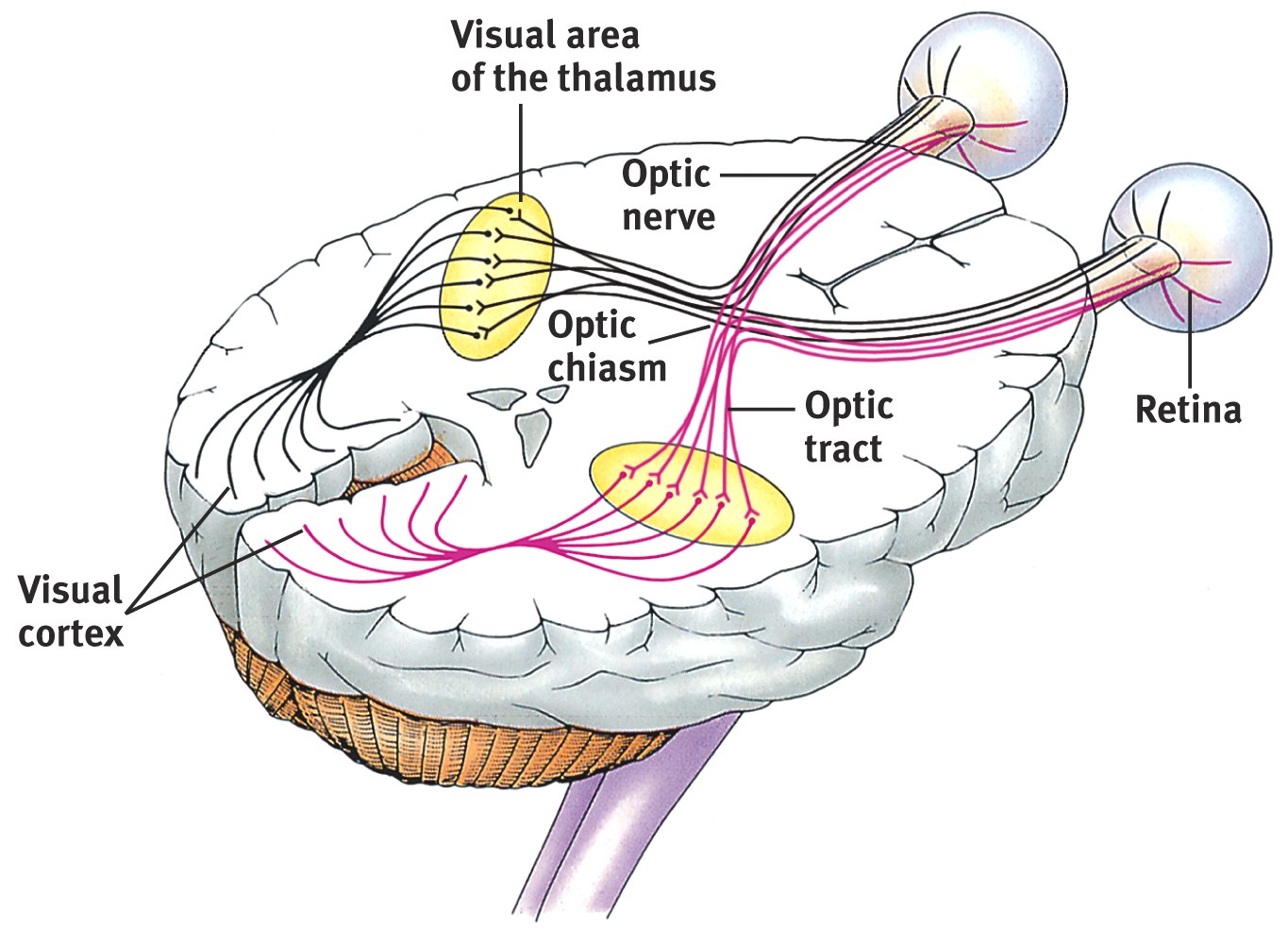
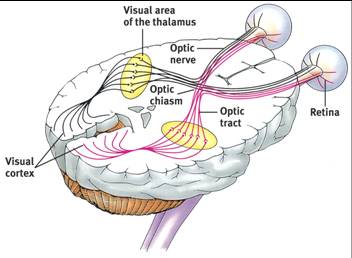
- Psychology’s Three Main Levels of Analysis
|
|
16
|
- Psychology’s Three Main Levels of Analysis
|
|
17
|
|
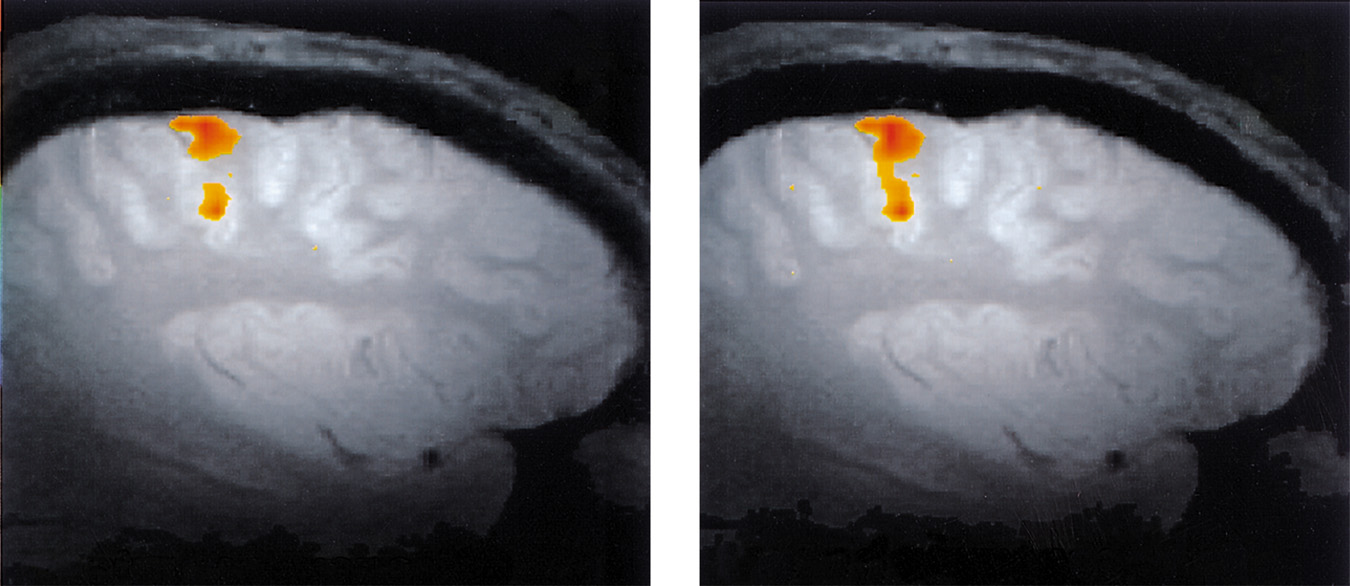
|
18
|
|
|
19
|
|
|
20
|
|
|
21
|
|
|
22
|
- Hindsight Bias is the “I-knew-it-all-along” phenomenon.
- We tend to believe, after learning about an outcome, that we would have
foreseen it. We knew that the dot.com stocks would plummet, only after
they did.
- Turn to one or two others and together identify another example of
hindsight bias (not in our book)
|
|
23
|
- How can we differentiate between uninformed opinions and examined
conclusions?
- The science of psychology can help make these examined conclusions,
which lead to our understanding what people feel, think, act, as they
do!
|
|
24
|
|
|
25
|
- Critical thinking does not blindly accept arguments and conclusions.
- It examines assumptions, discerns hidden values, evaluates evidence,
assesses conclusions.
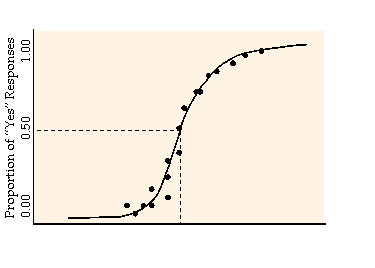
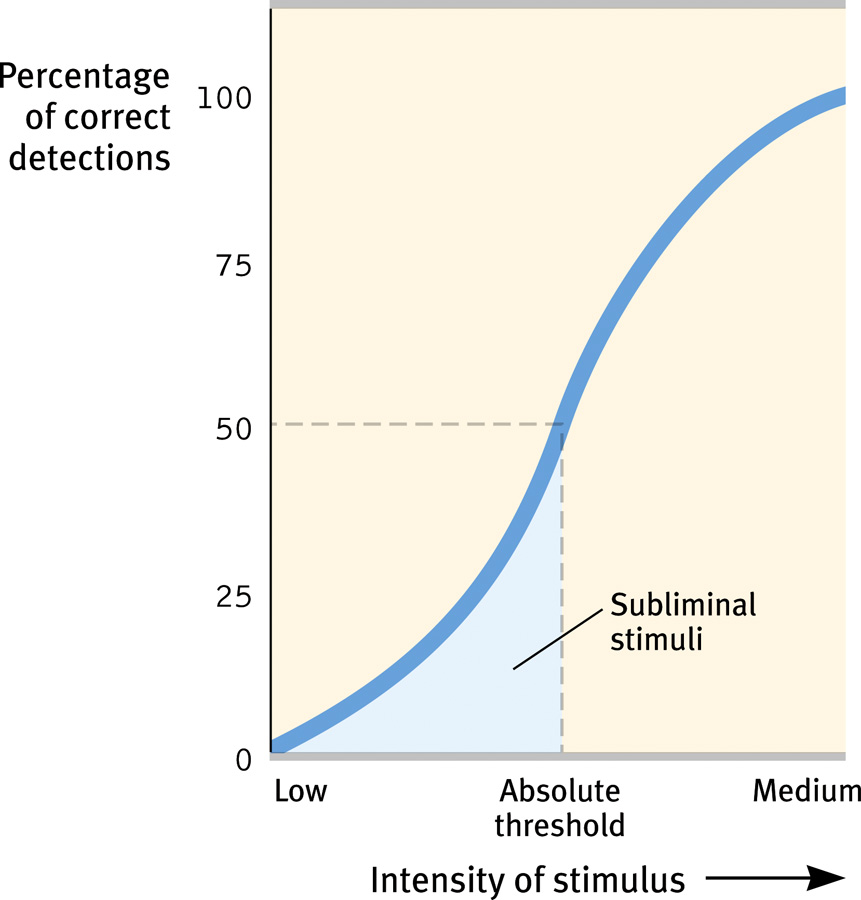
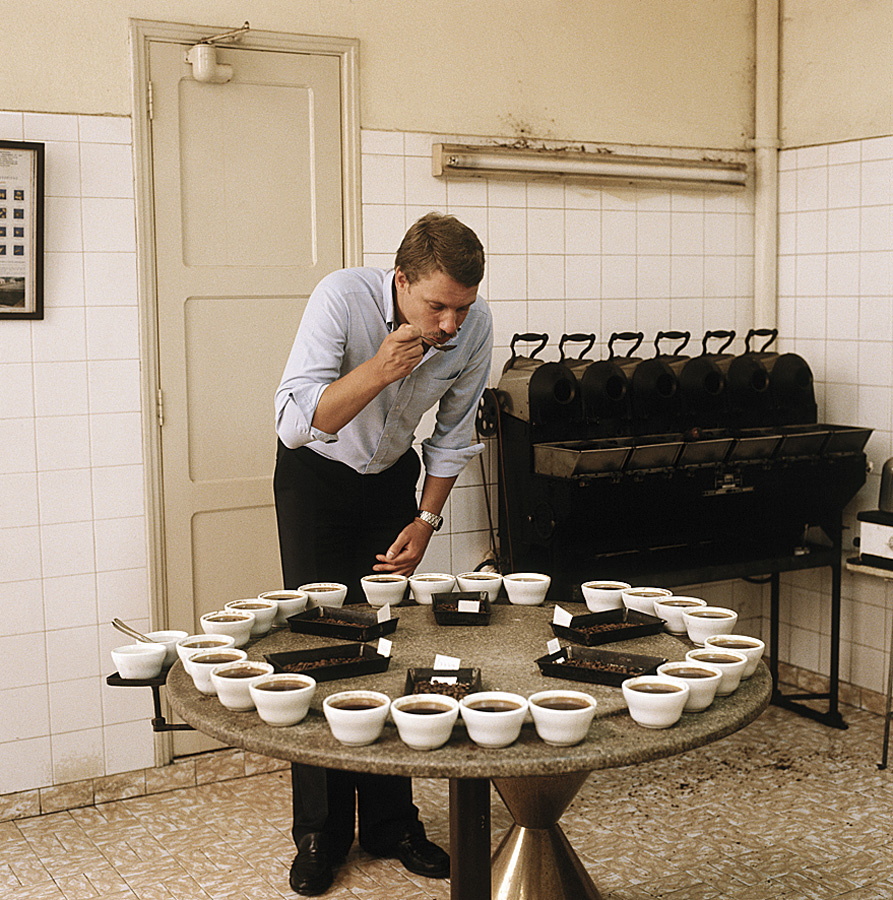
|
|
26
|
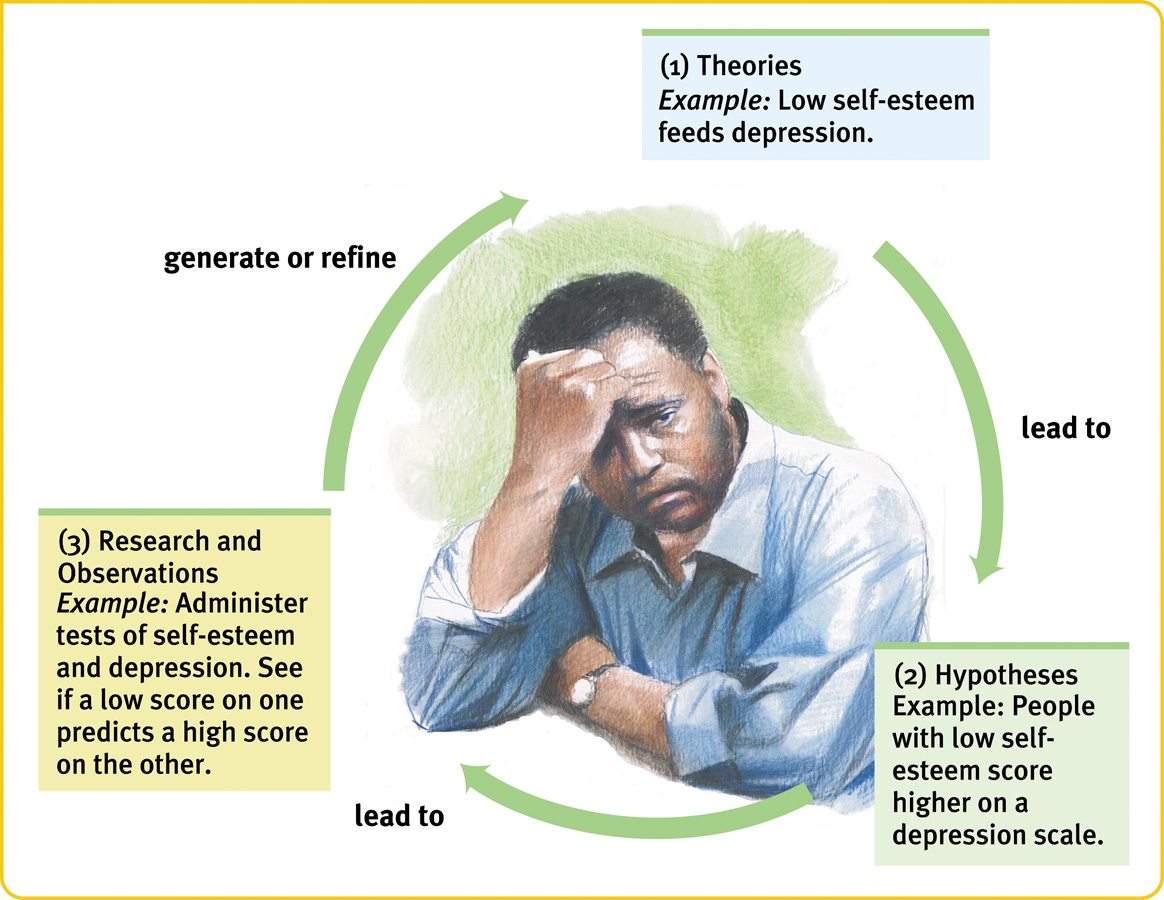
- Psychologists, like all scientists, use the scientific method to
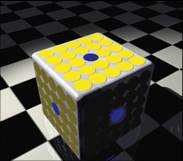
construct theories that organize, summarize and simplify observations.
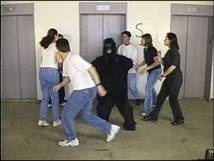
|
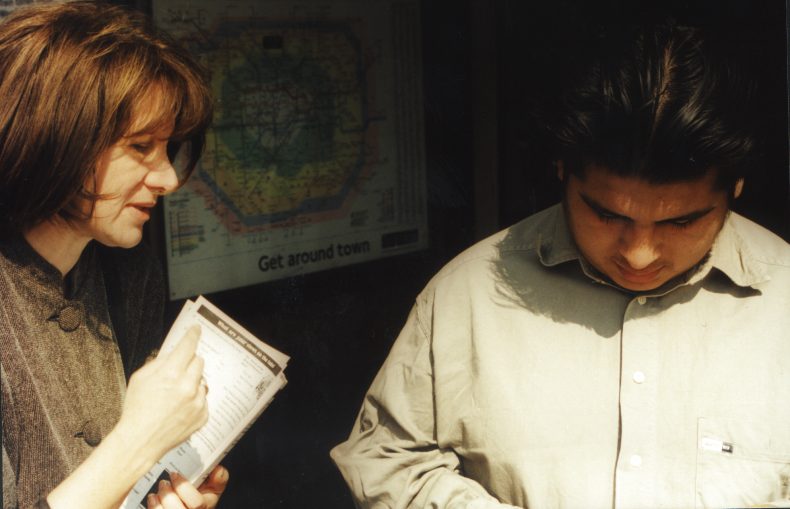
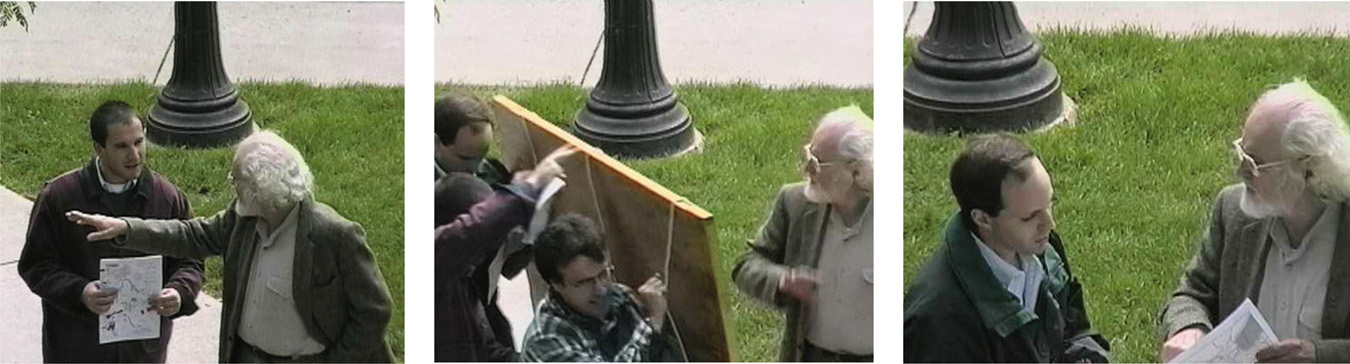
|
27
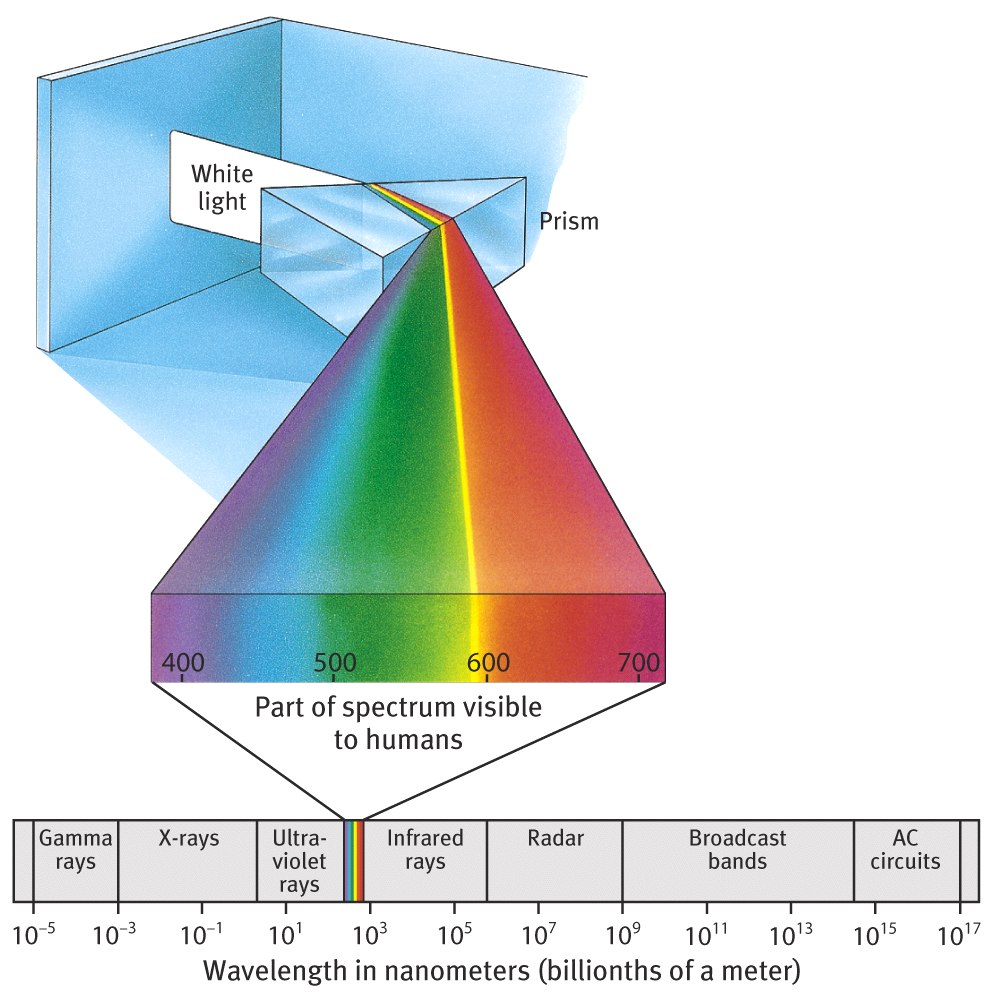
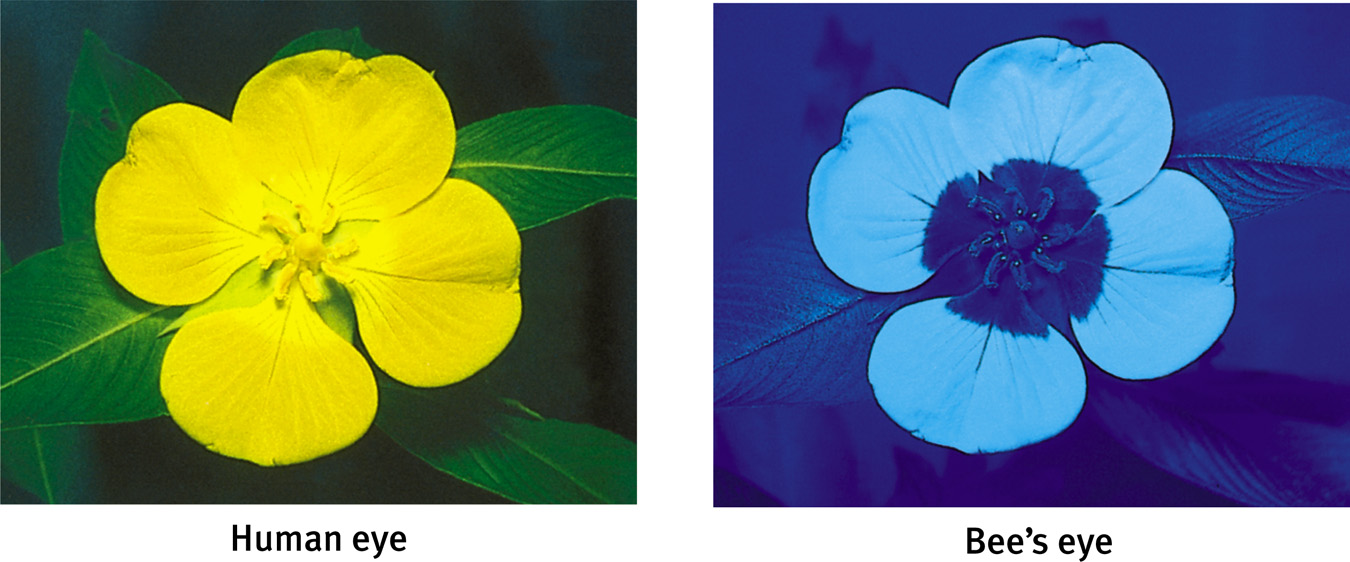
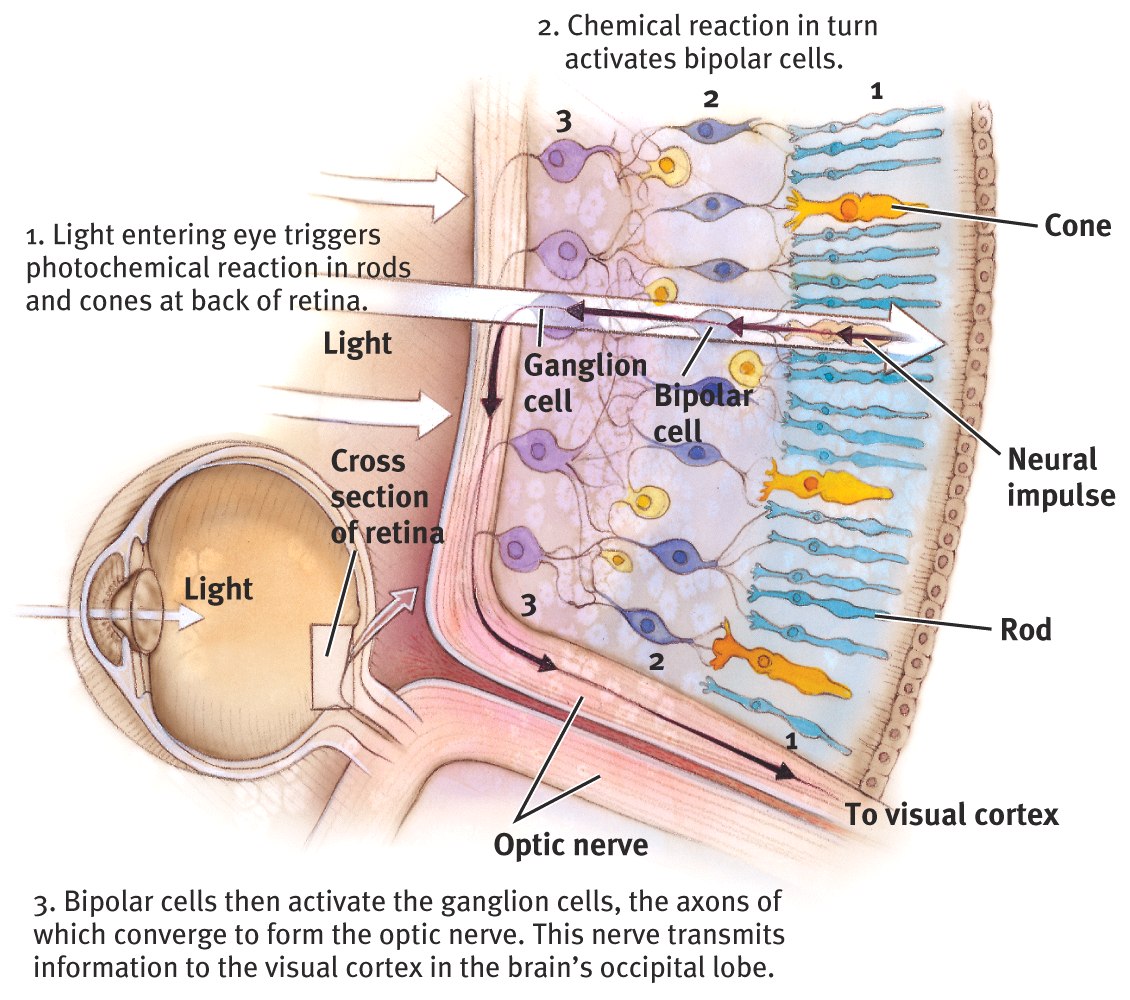
|
- Theory is an explanation that integrates principles, organizes and
predicts behaviors or events.
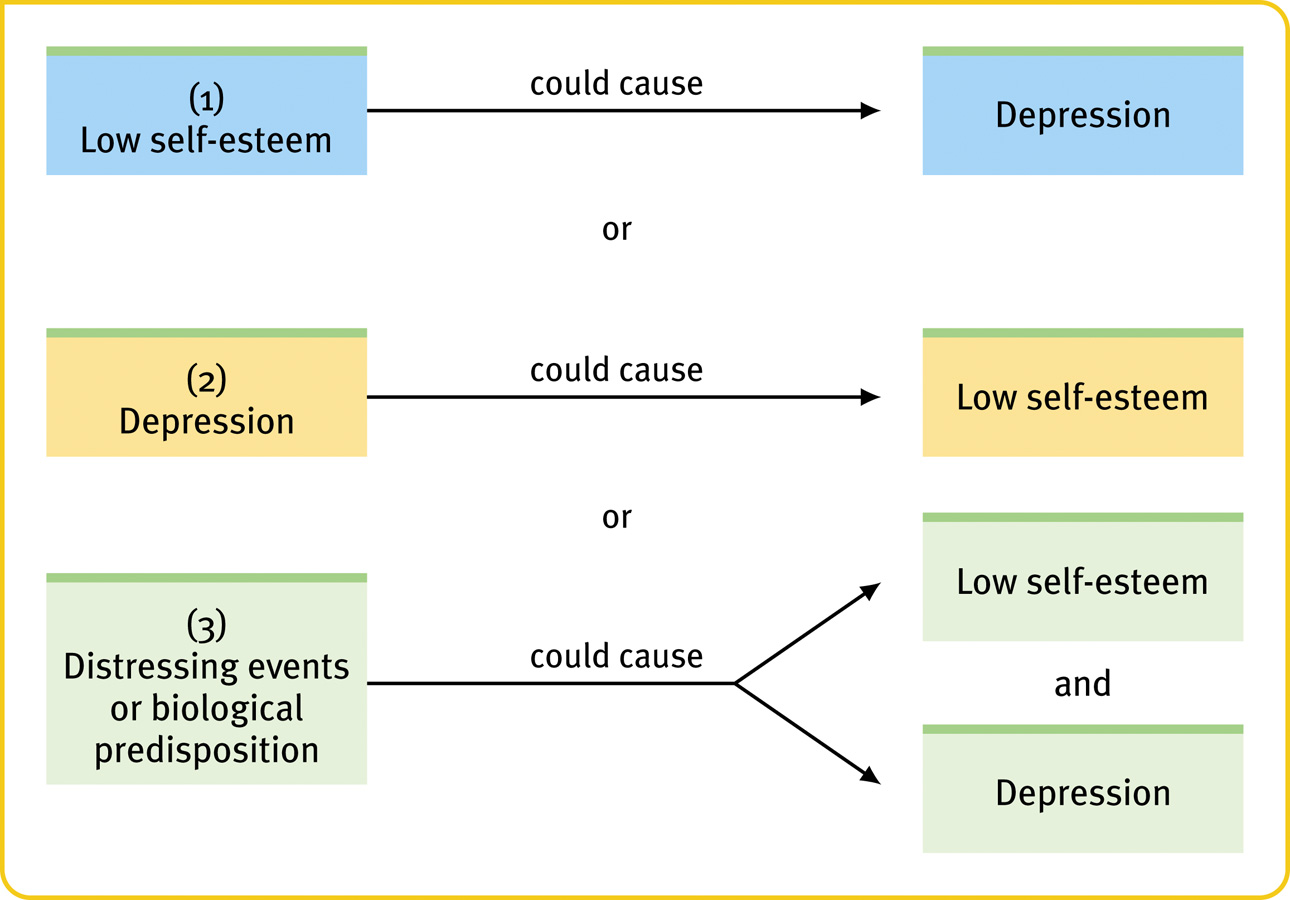
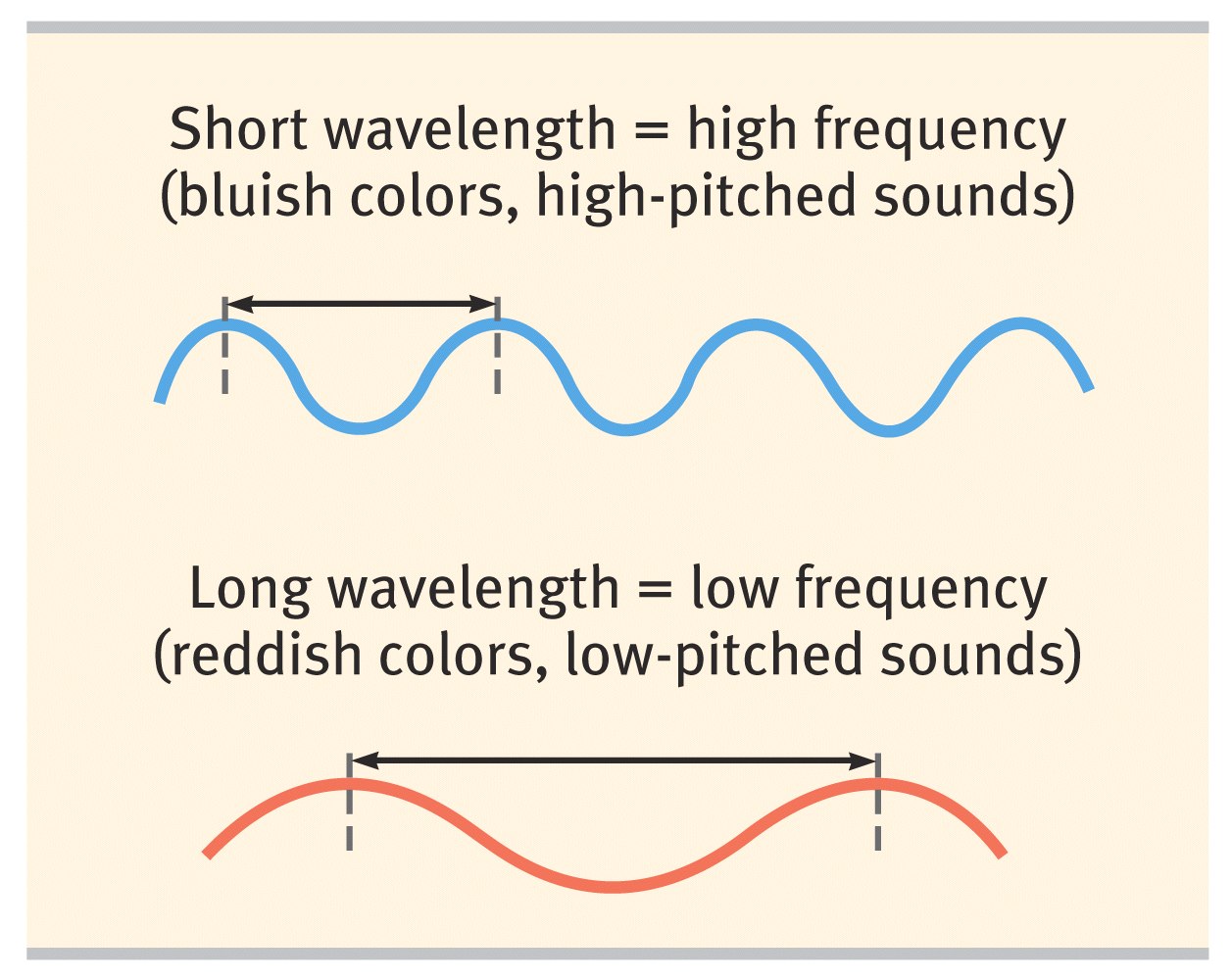
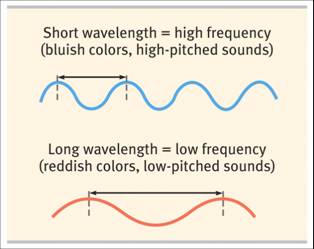
- For example, low self-esteem contributes to depression.
|
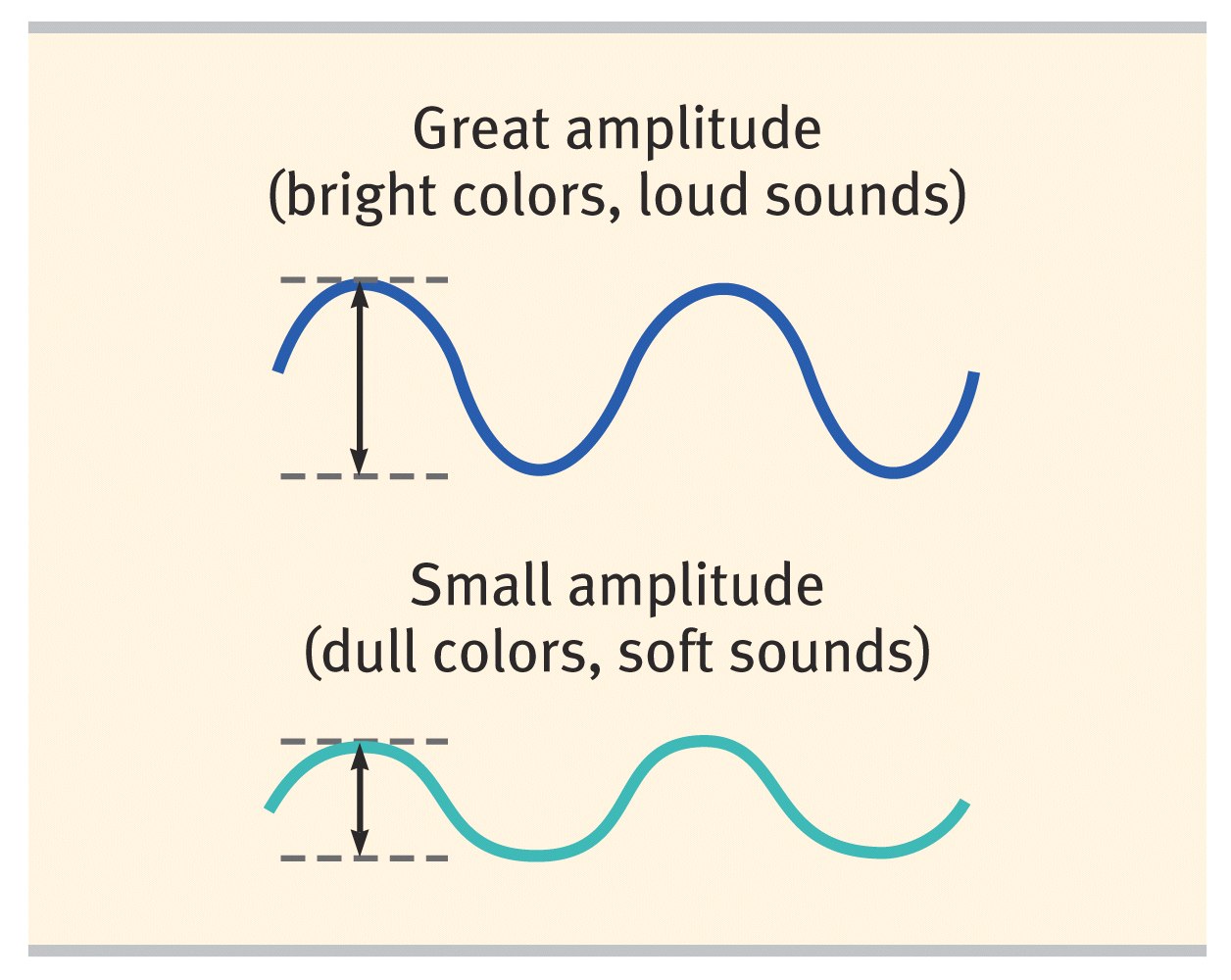
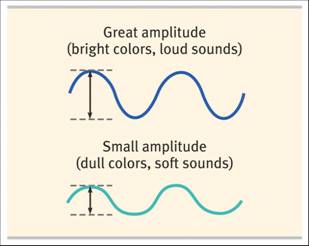
|
28
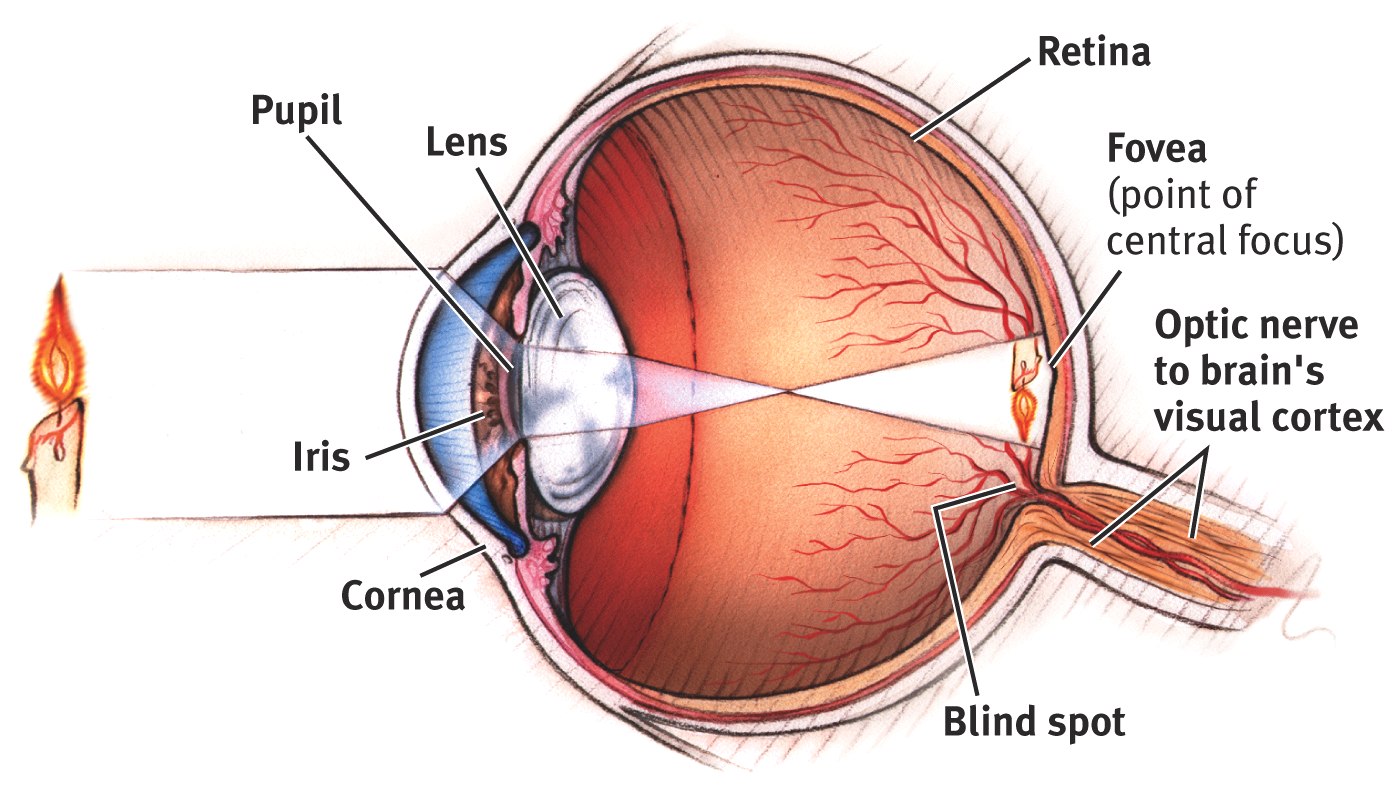
|
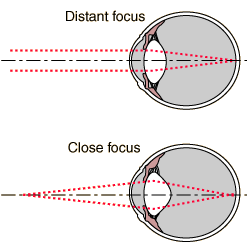
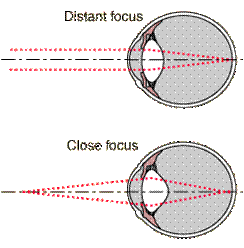
- Hypothesis is a testable prediction, often induced by a theory, to
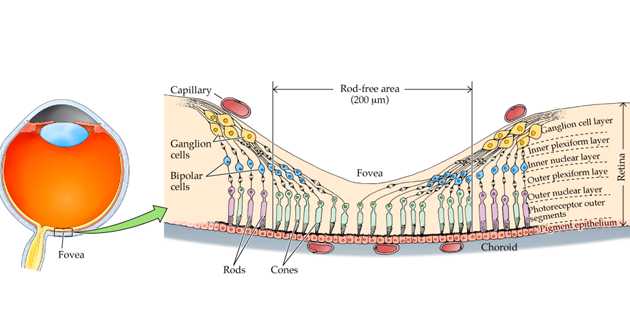
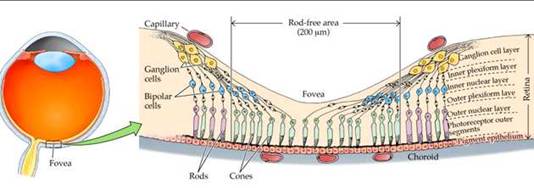
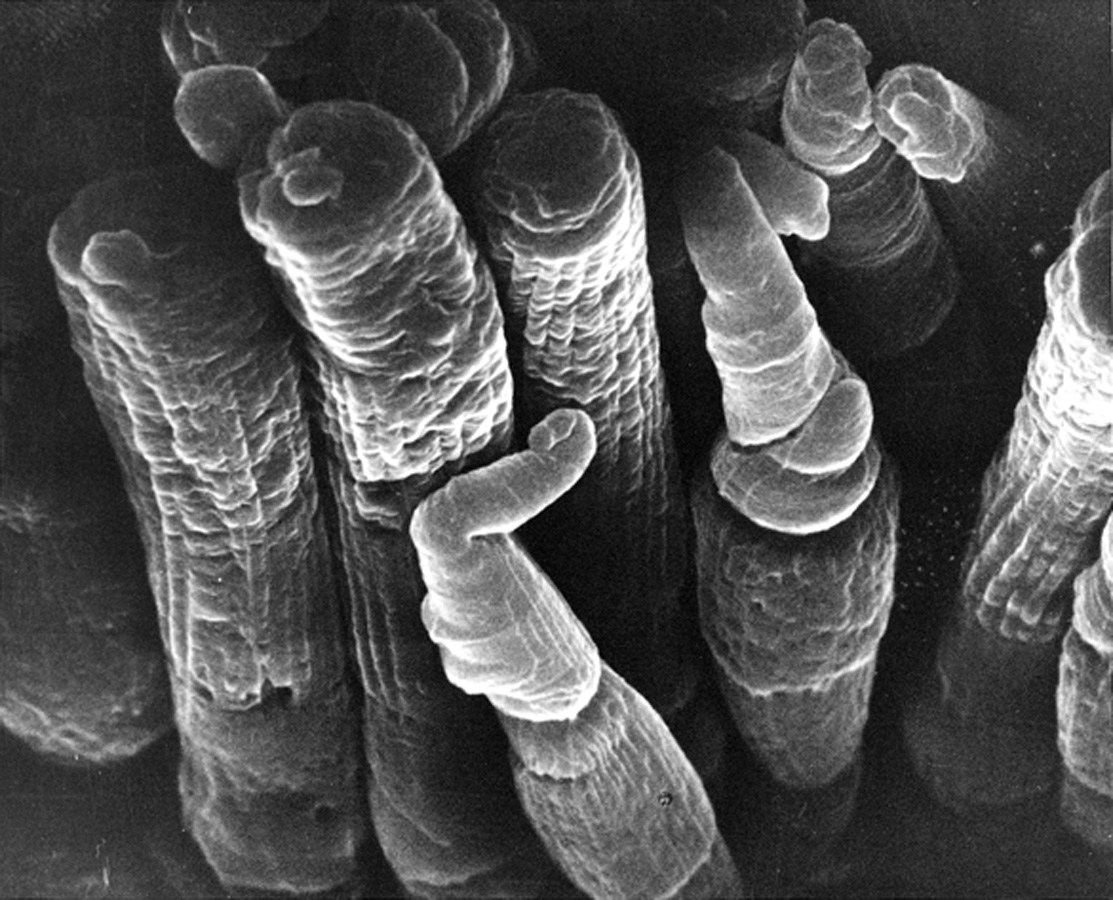
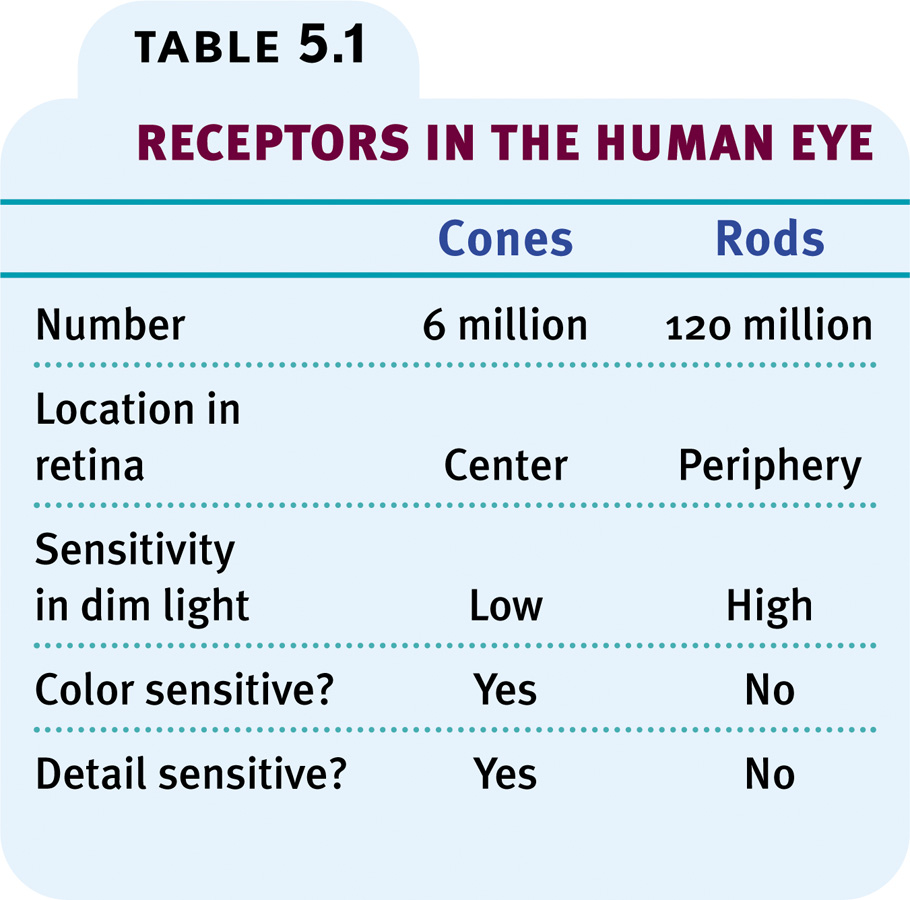
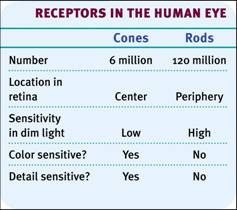
enable us to accept, reject or revise the theory.
- People with low self-esteem are apt to feel more depressed.
|
|
29
|
|
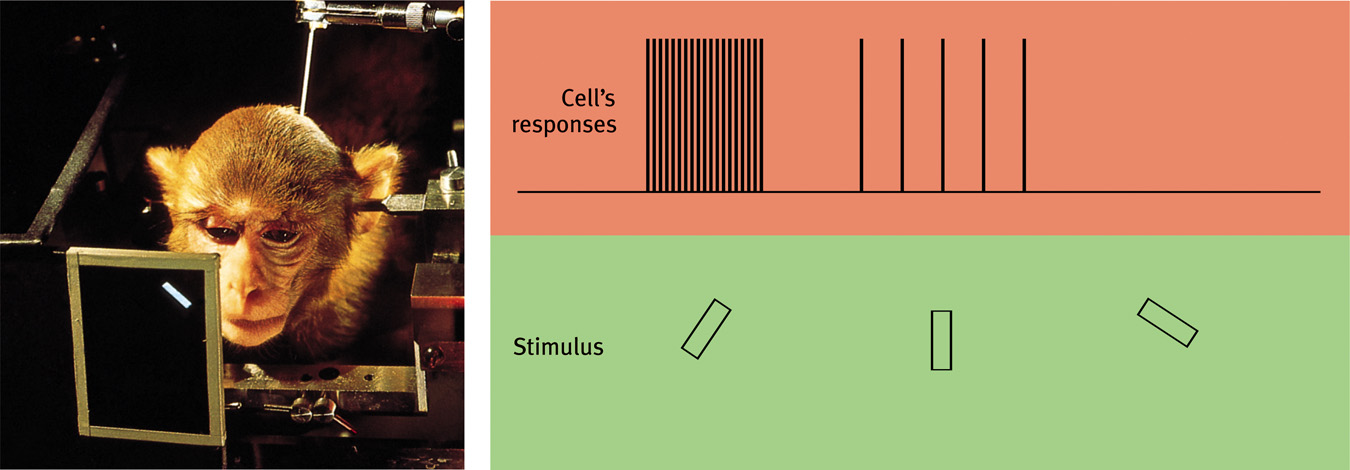
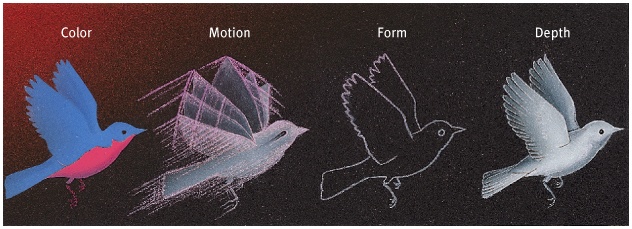
|
30
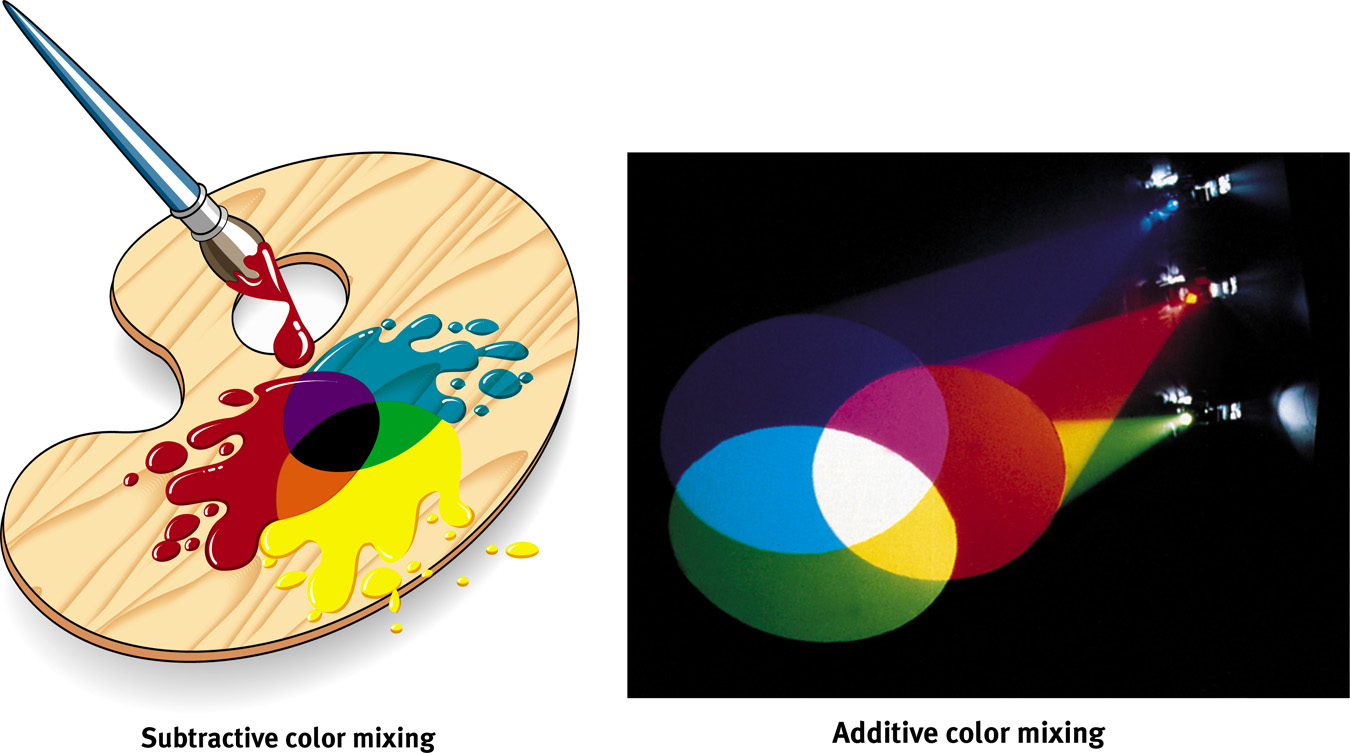
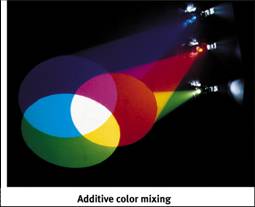
|
- Q5. Is it ethical to experiment on animals?
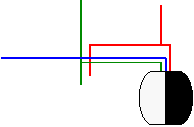
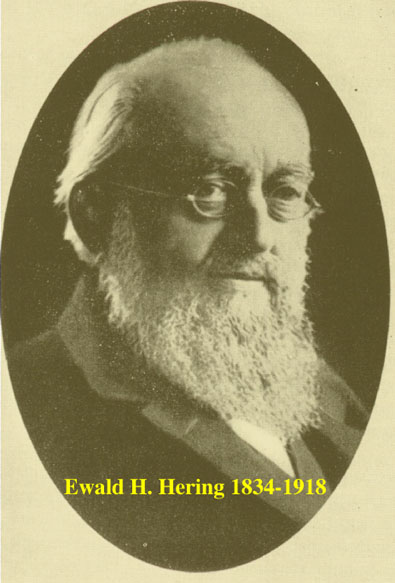
- Ans: Yes. To gain insights to devastating and fatal diseases. All
researchers who deal with animal research are required to follow ethical
guidelines in caring for these animals.
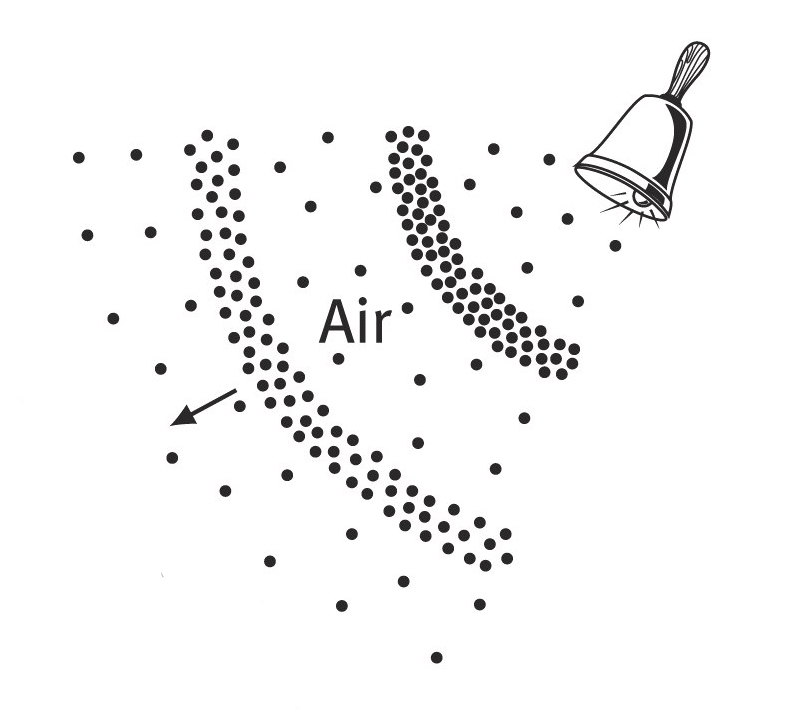
|
|
31
|
- Q6. Is it ethical to experiment on people?
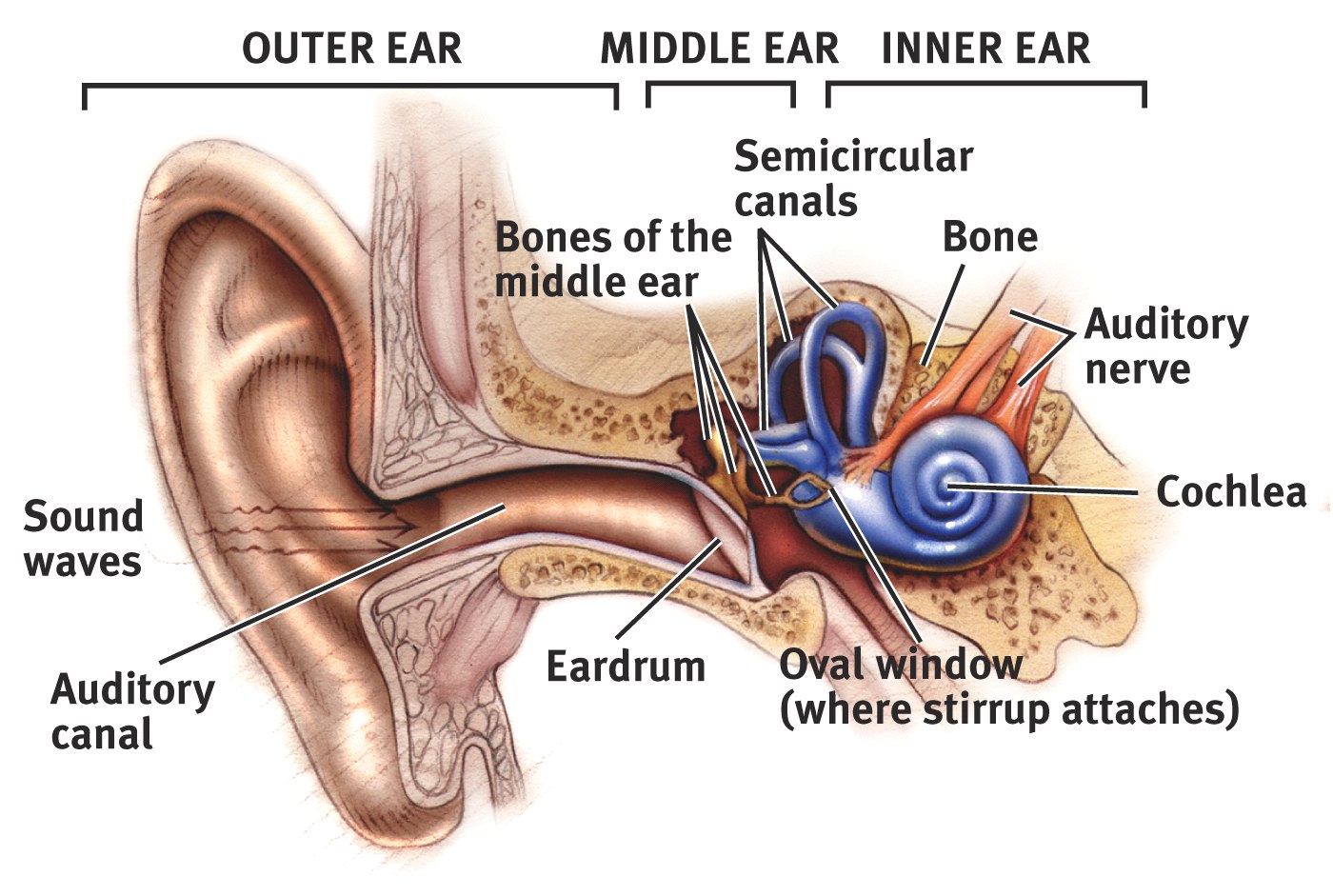
- Ans: Yes. Experiments that do not involve any kind of physical or
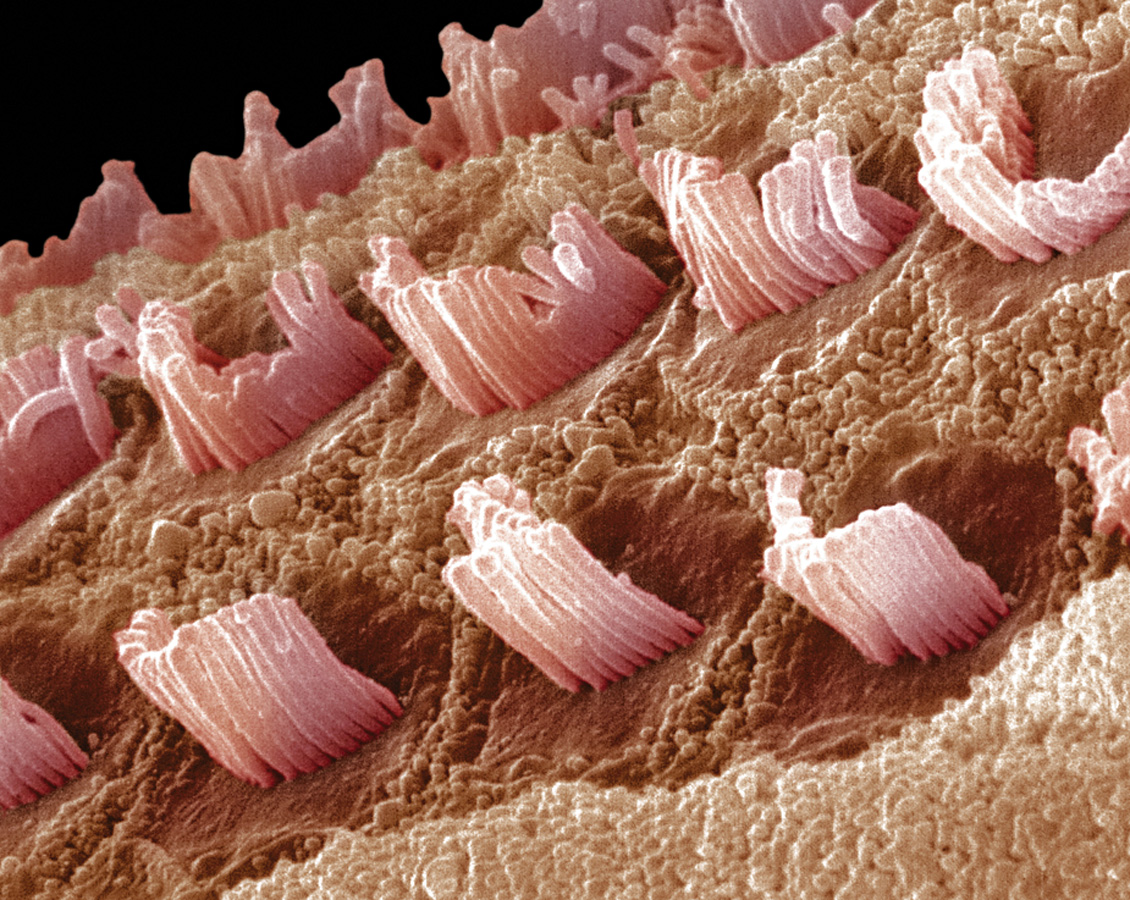
psychological harm that is beyond normal levels encountered in daily
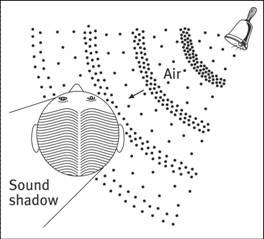
life can be carried out.
- Experiments must include informed consent prior to the study and a
debriefing after participation.
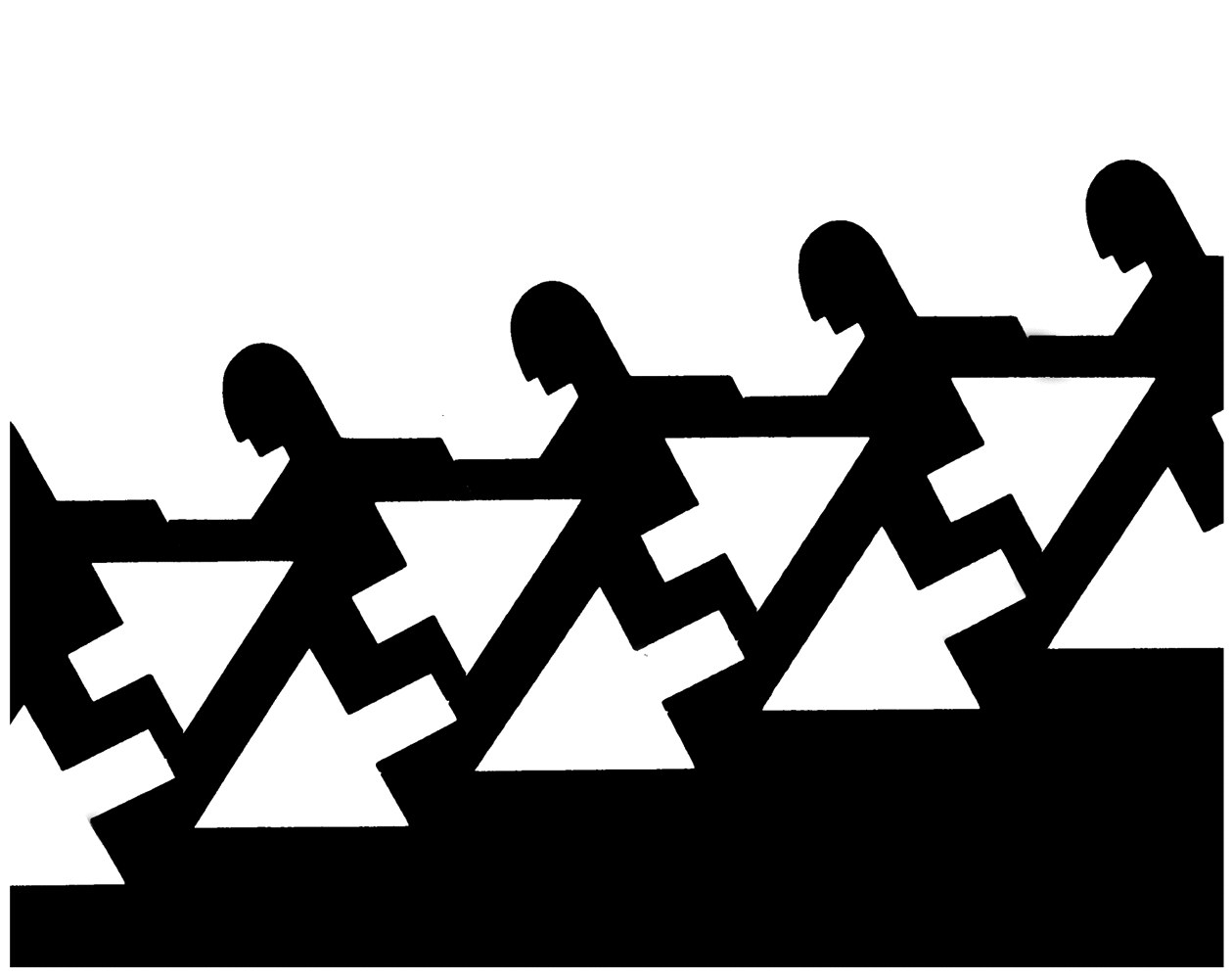
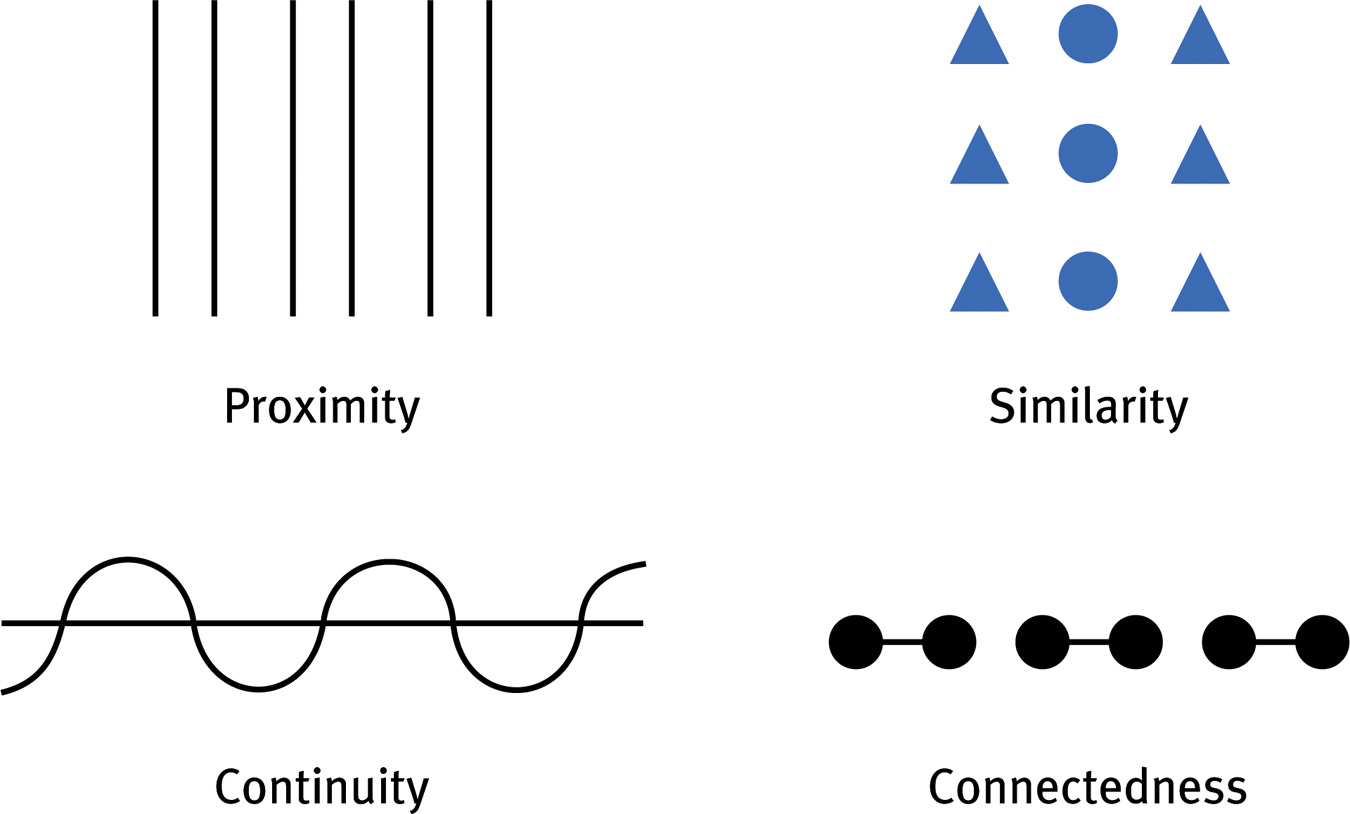
|
|
32
|
|
|
33
|
|
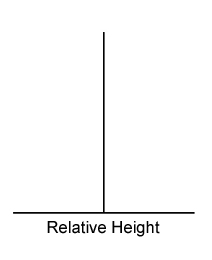
|
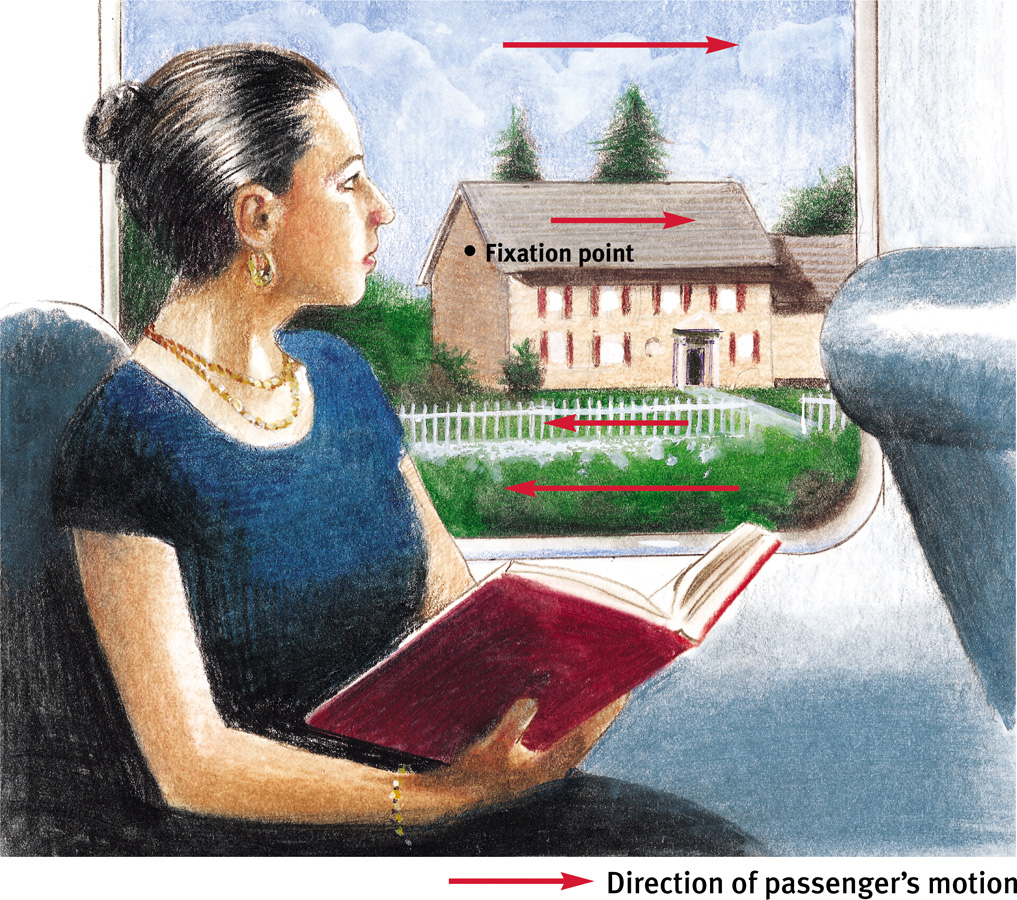
34
|
- A clinical study is a form of case study where the therapist
investigates the problems associated with a client.
|
|
35
|
- A technique for ascertaining the self-reported attitudes, opinions or
behaviors of people usually by questioning a representative, random
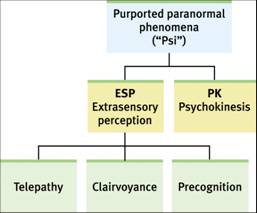
sample of people.
|
|
36
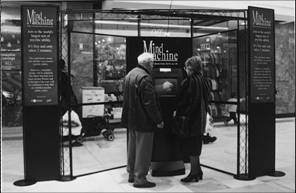
|
- From a population, if each member has an equal chance of inclusion into
a sample, we call that a random sample (unbiased). If the survey sample
is biased, its results are spurious.
|
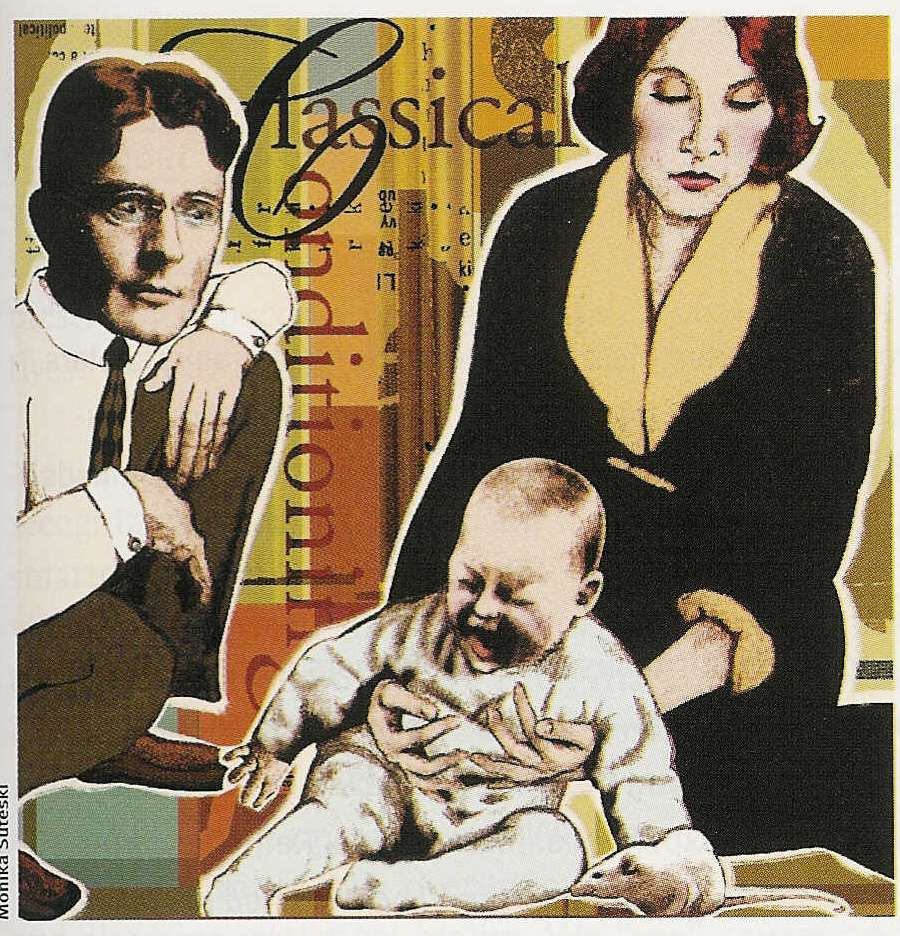
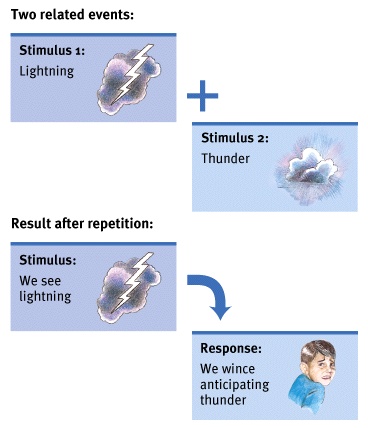
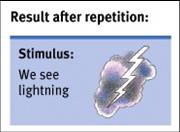
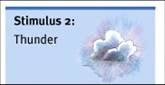
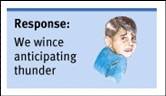
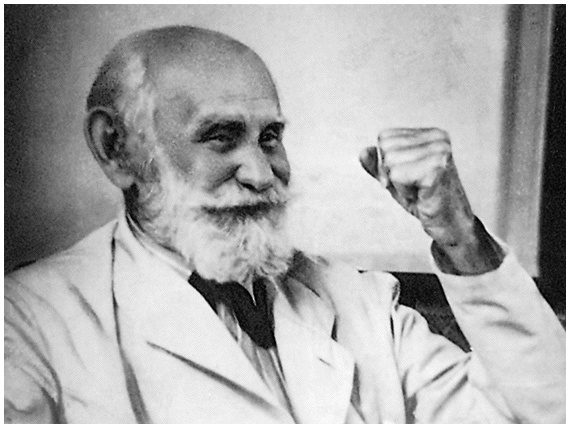
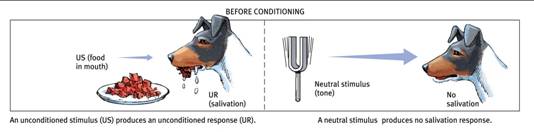
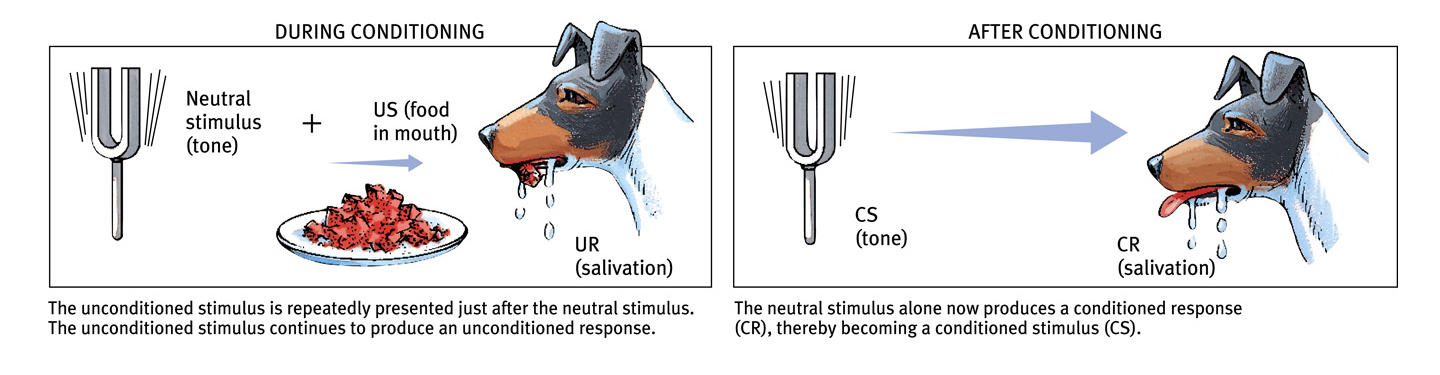
|
37
|
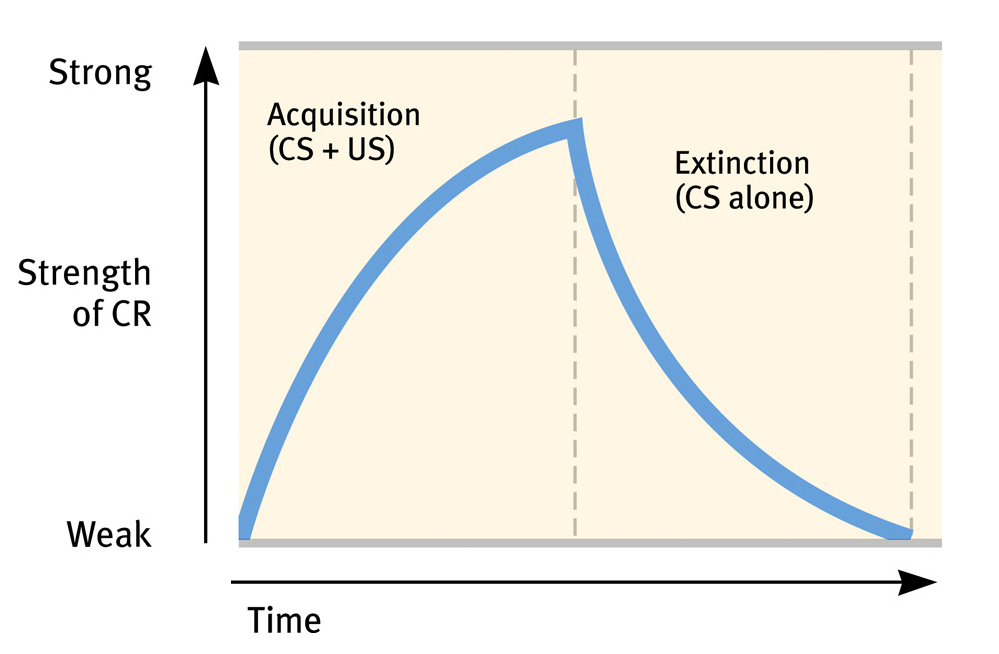
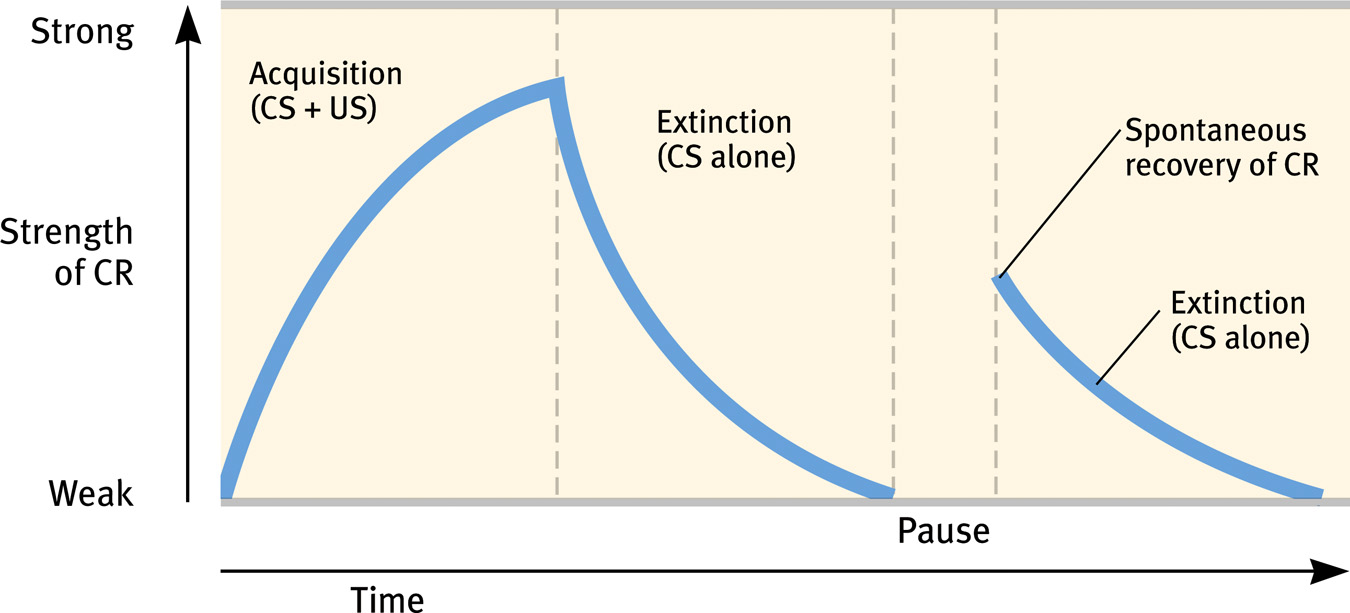
- Observing and recording behavior of animals in the wild, to recording
self-seating patterns in lunch rooms in a multiracial school constitute
- naturalistic observation.
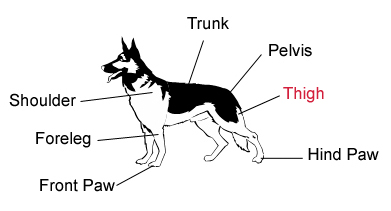
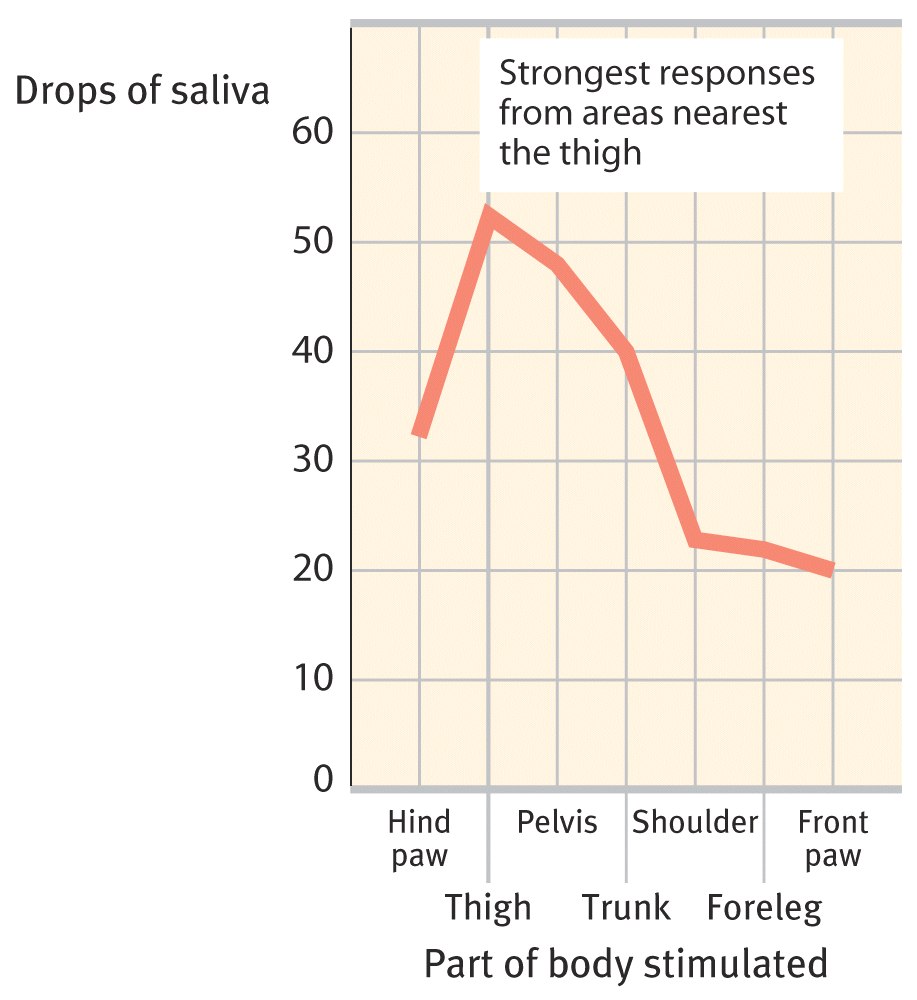
|
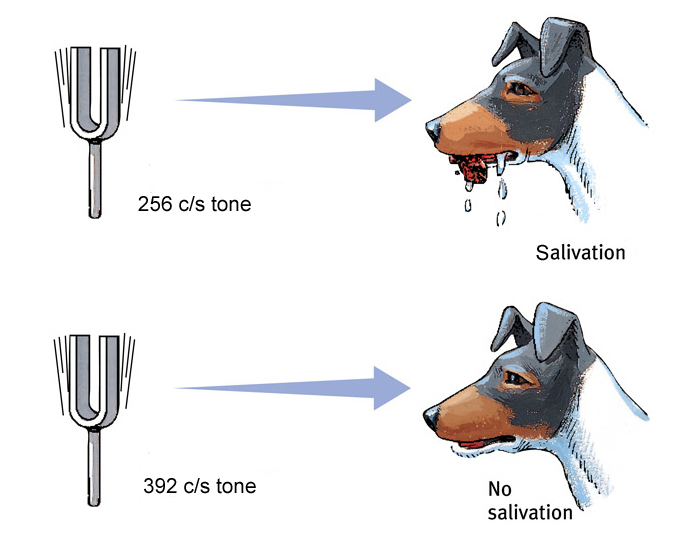
|
38
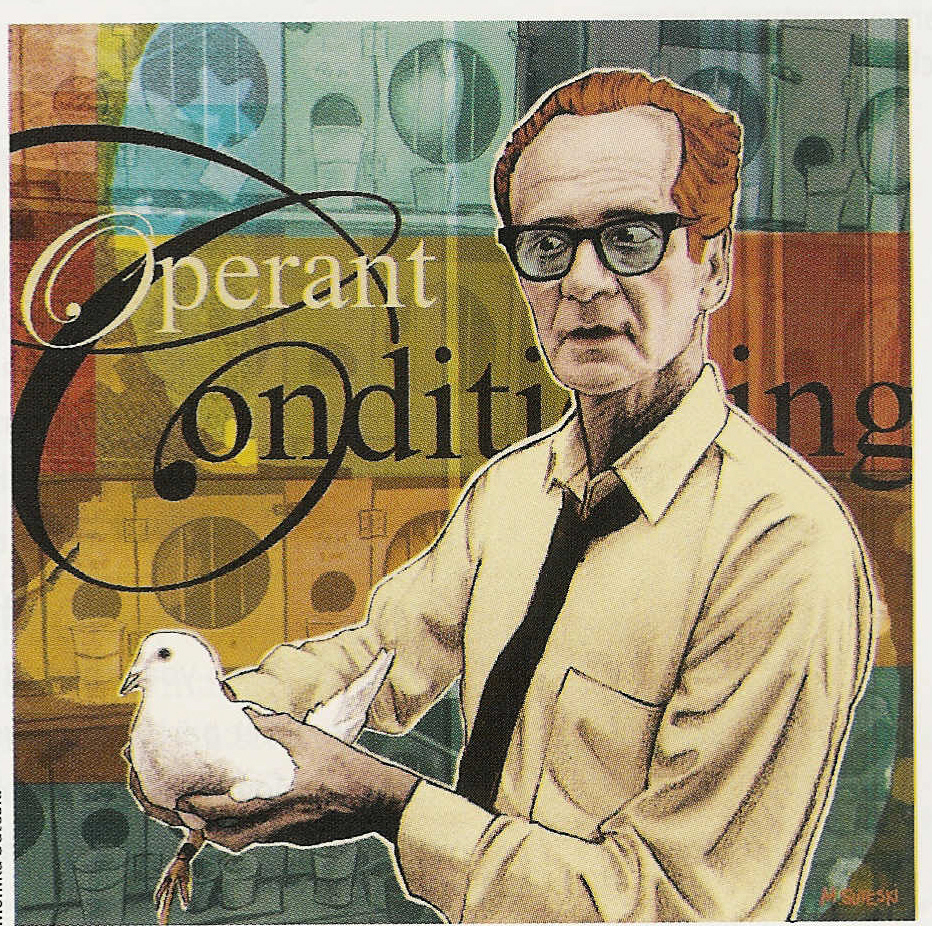
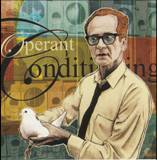
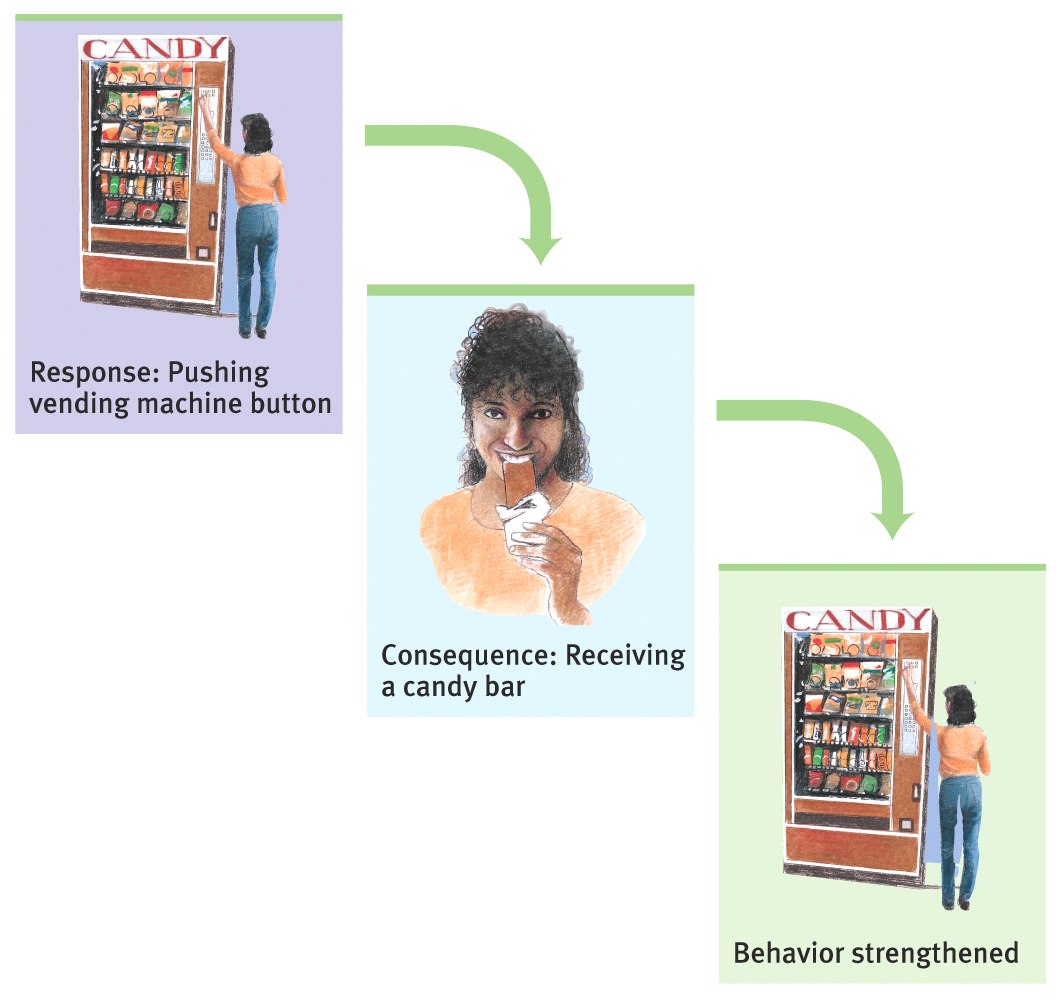
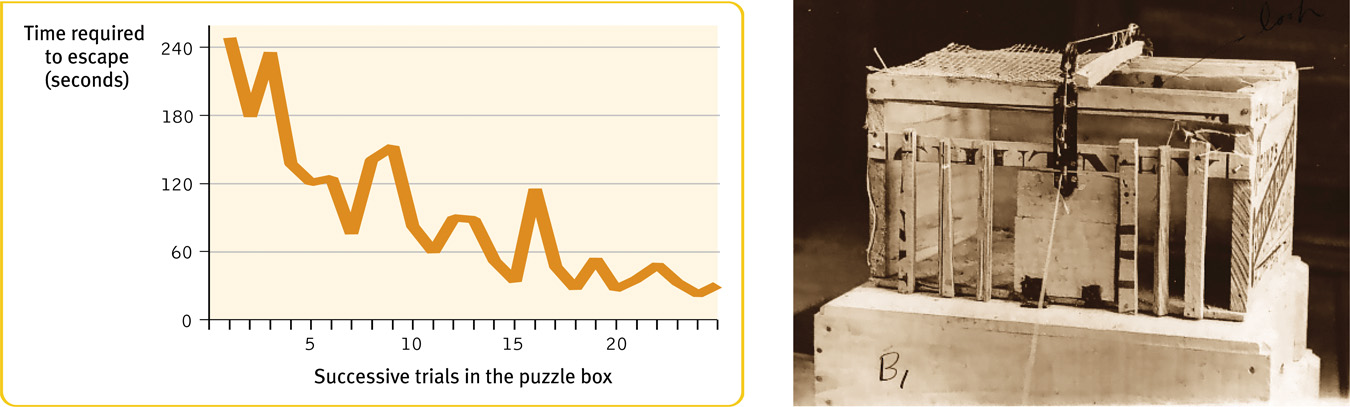
|
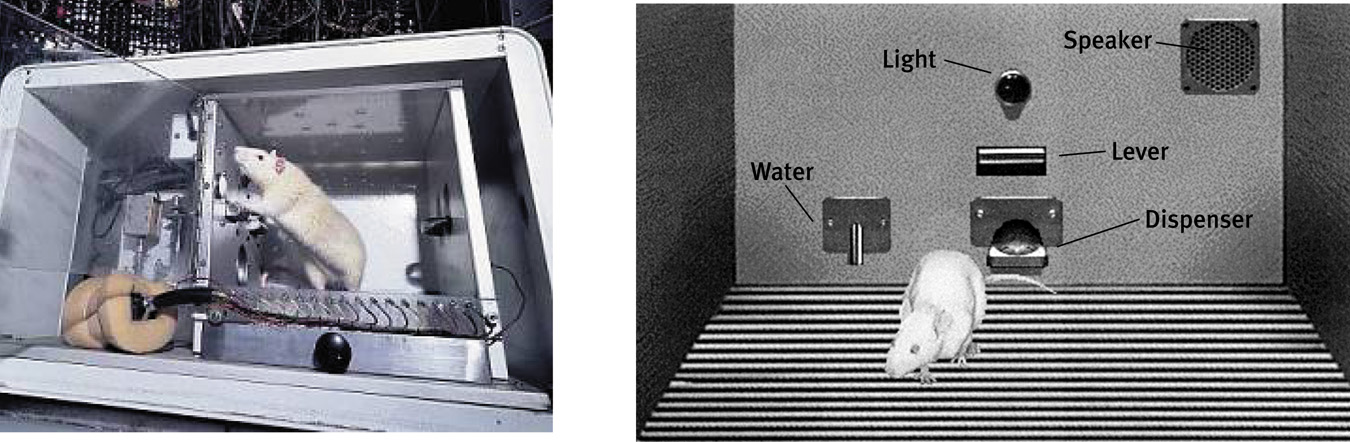
- Correlation Coefficient is a statistical measure of relationship between
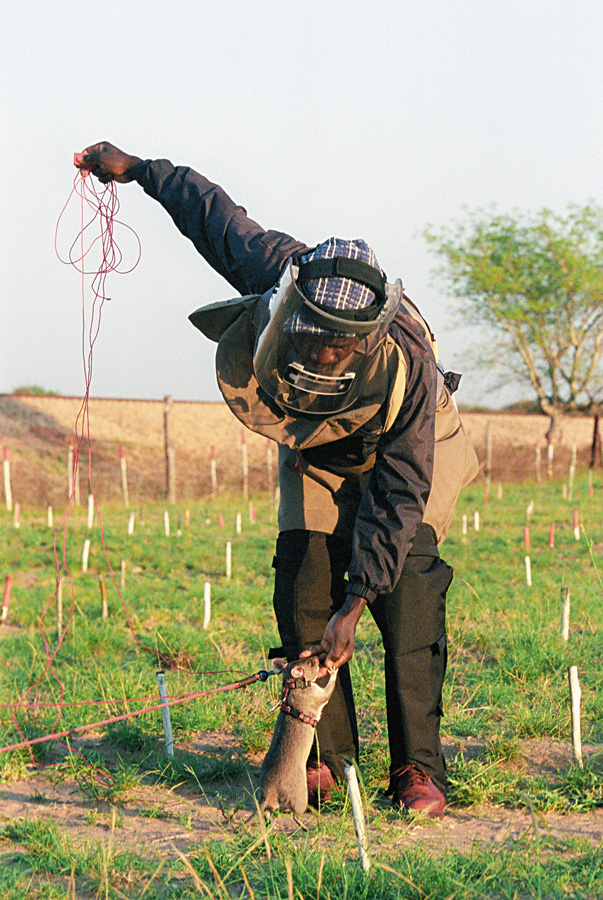
two variables.
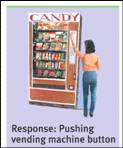
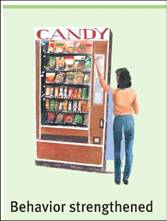
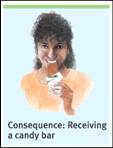
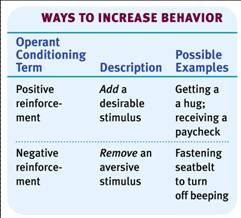
|
|
39
|
|
|
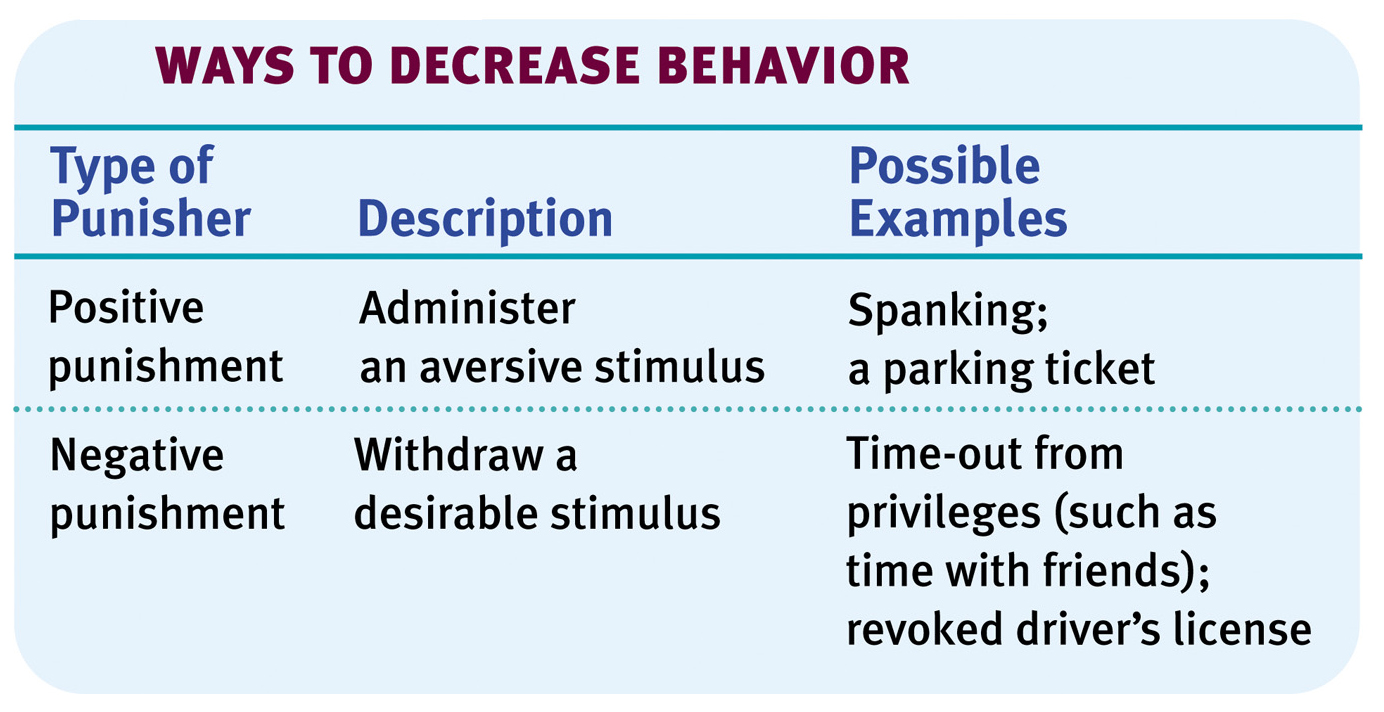
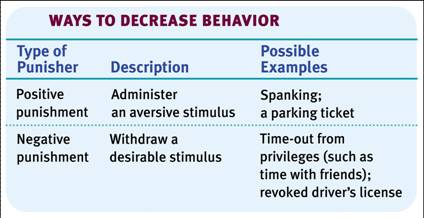
40
|
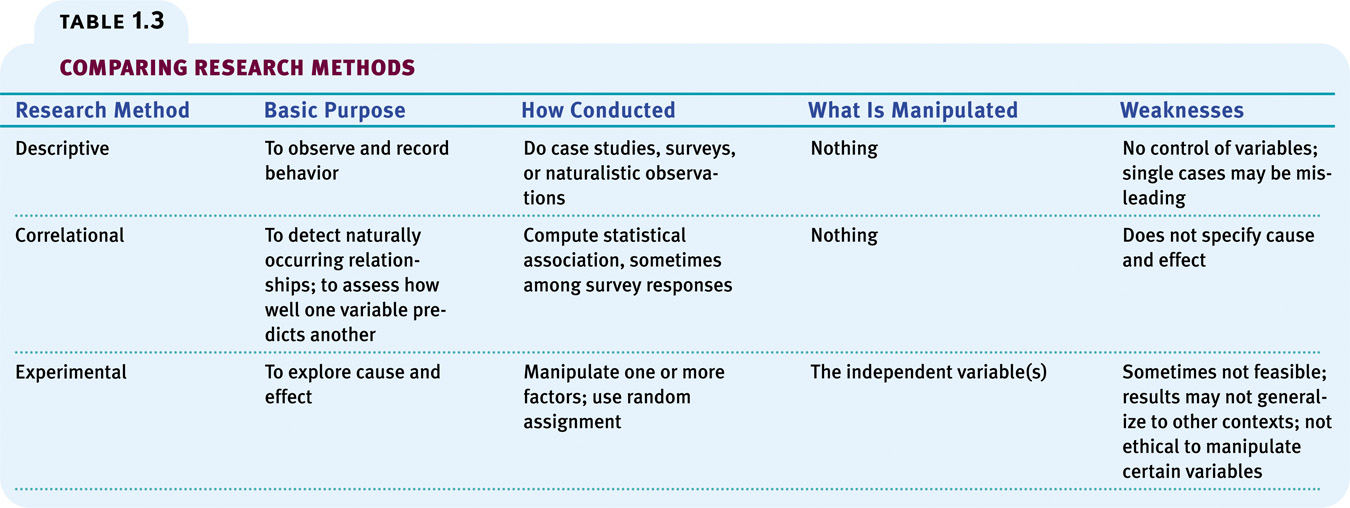
- Like other sciences, experimentation forms the backbone of research in
psychology. Experiments isolate causes and their effects.
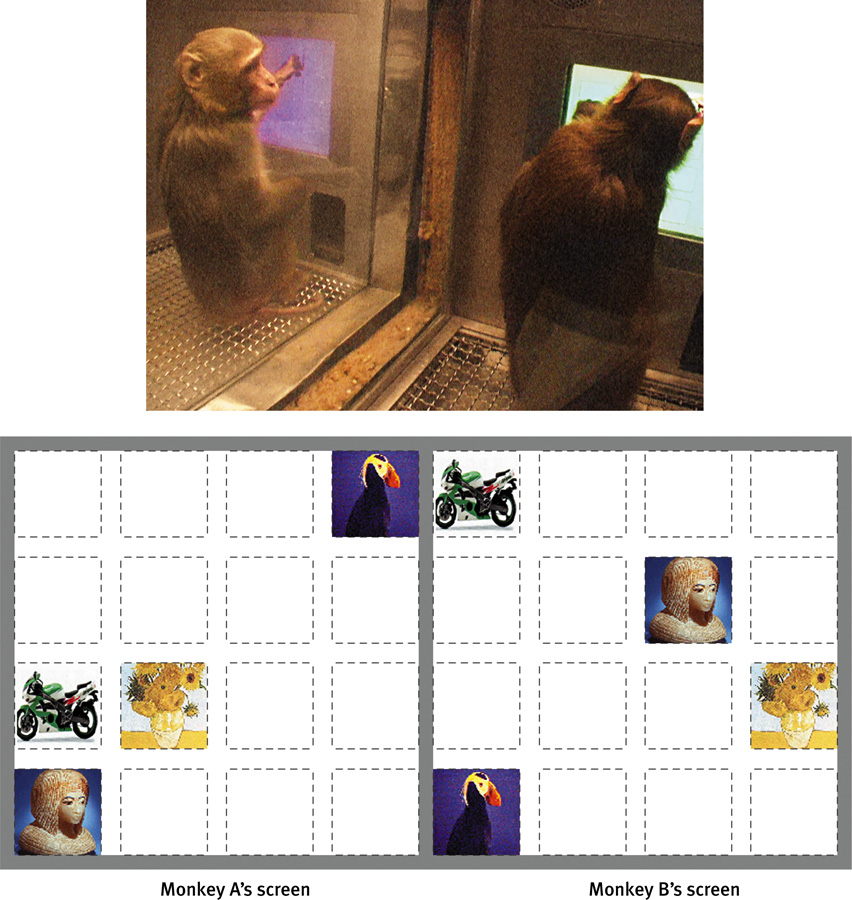
|
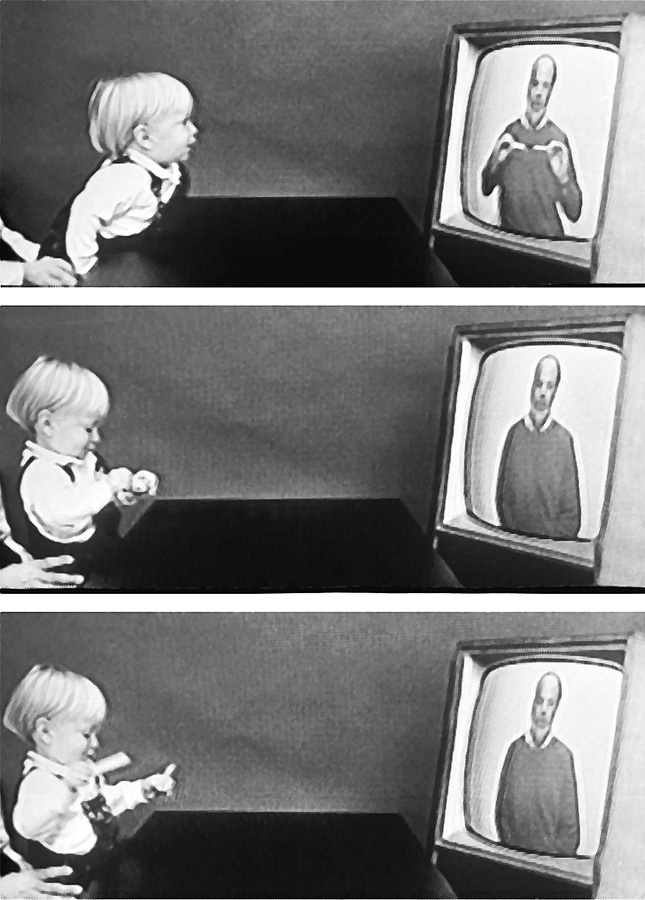
|
41
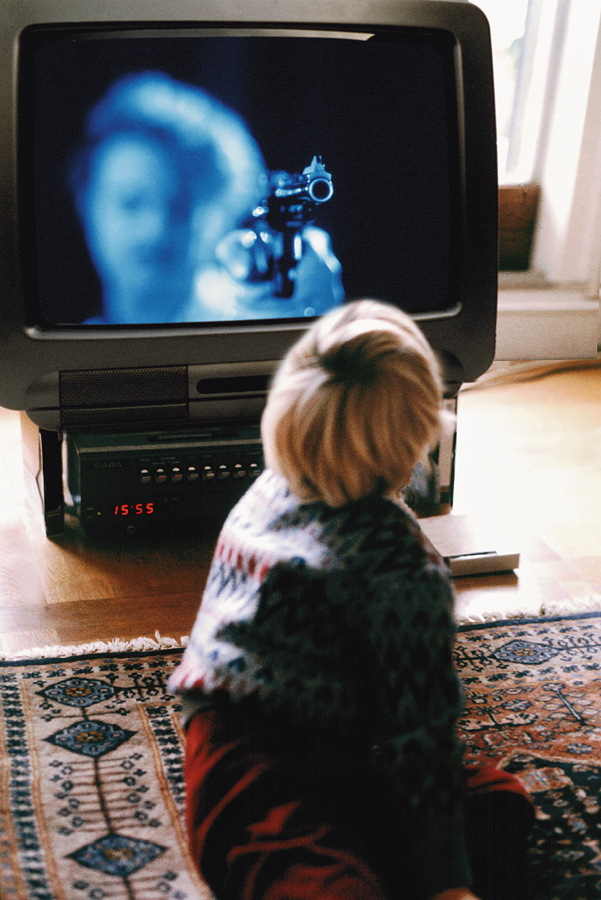
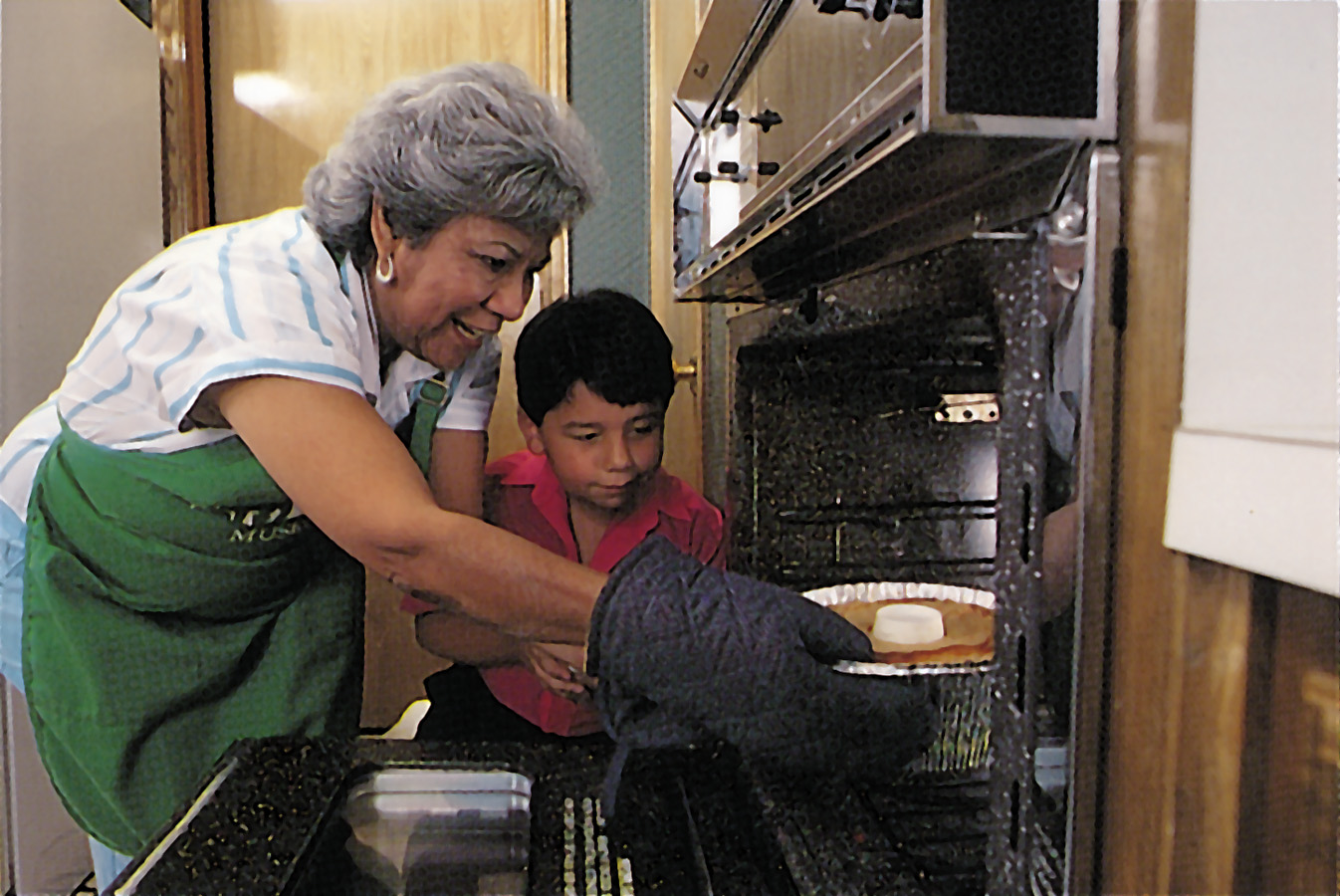
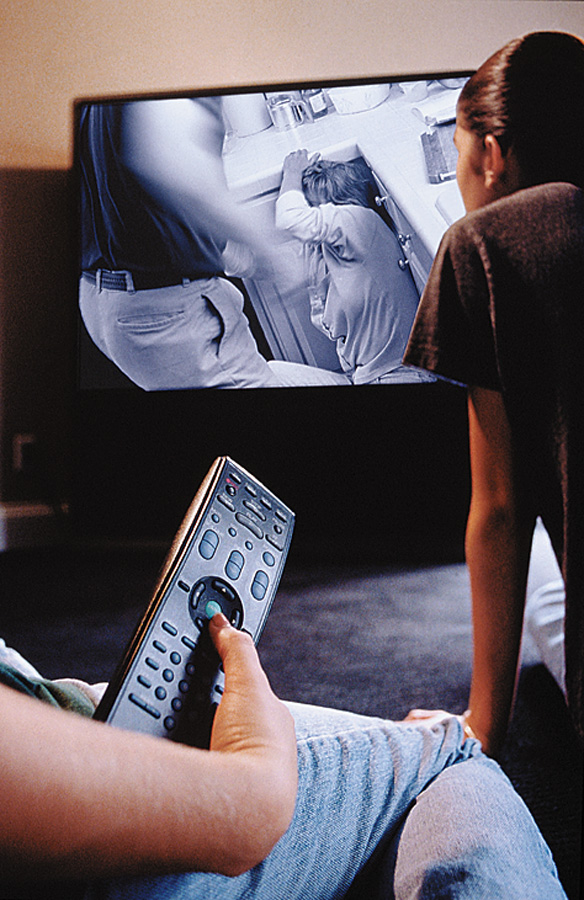
|
- Many factors influence our behavior. Experiments (1) manipulate factors
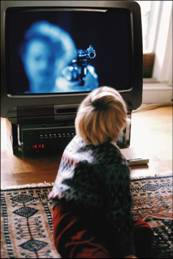
that interest us while keeping other factors under (2) control.
- Effects generated by manipulated factors isolate cause and effect
relationships.
|
|
42
|
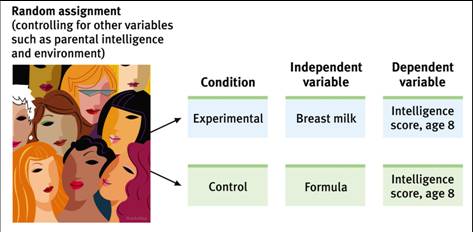
- Independent Variable is a factor, manipulated by the experimenter, and
whose effect is being studied.
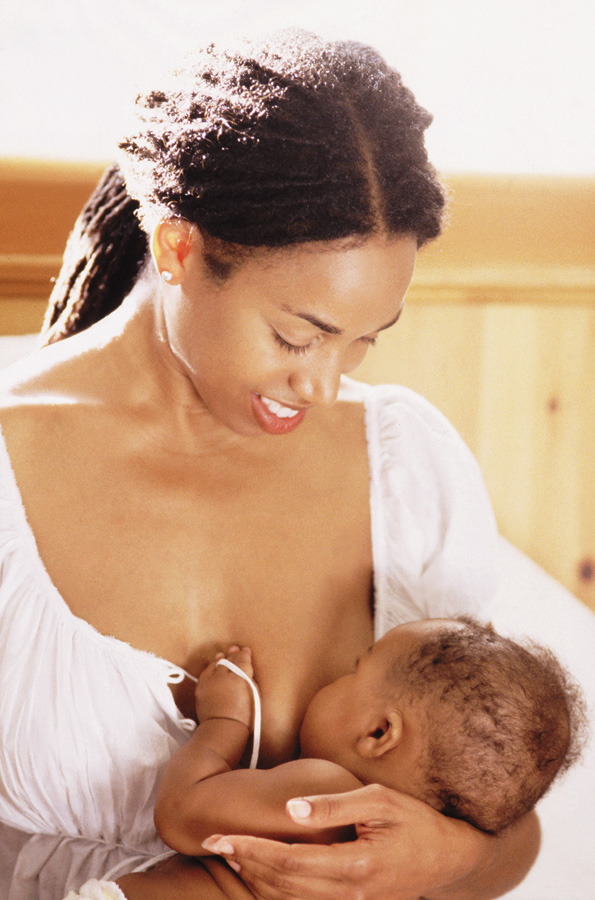
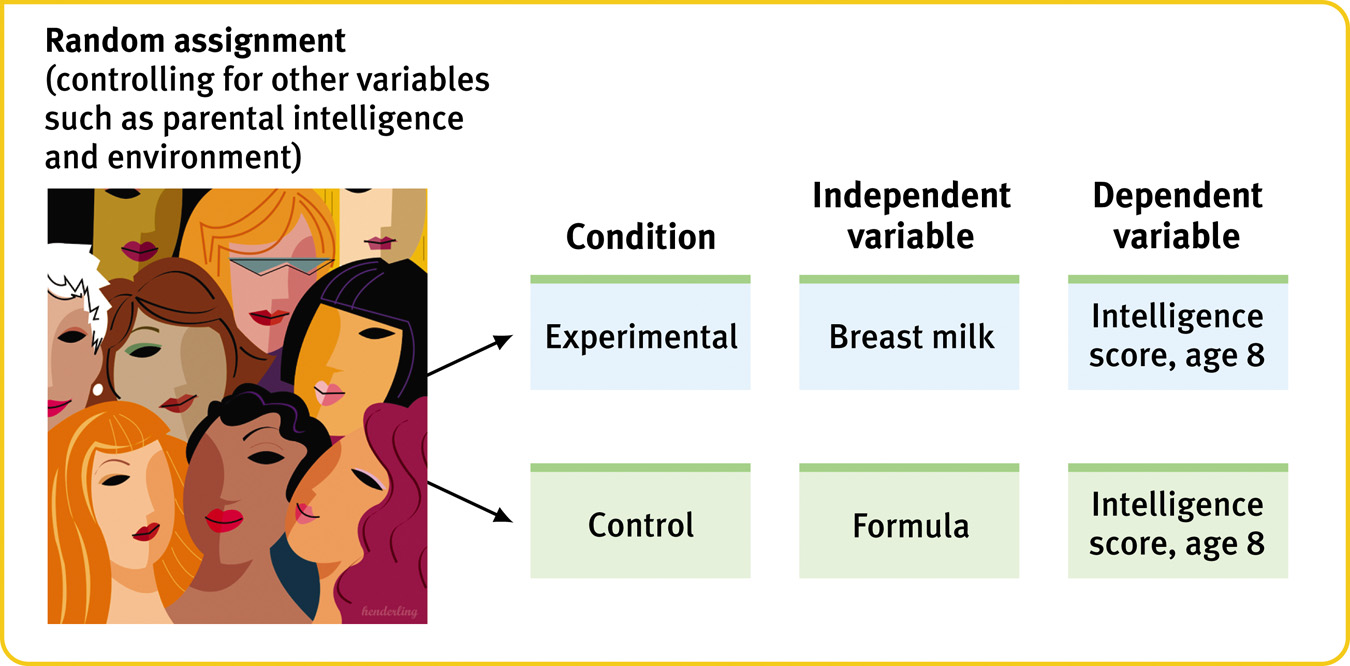
- For example, to study the effect of breast feeding on intelligence. Breast
feeding is the independent variable.
|
|
43
|
- Dependent Variable is a factor that may change in response to
independent variable. In psychology it is usually a behavior or a mental
process.
- For example, in our study on the effect of breast feeding on
intelligence. Intelligence is the dependent variable.
|
|
44
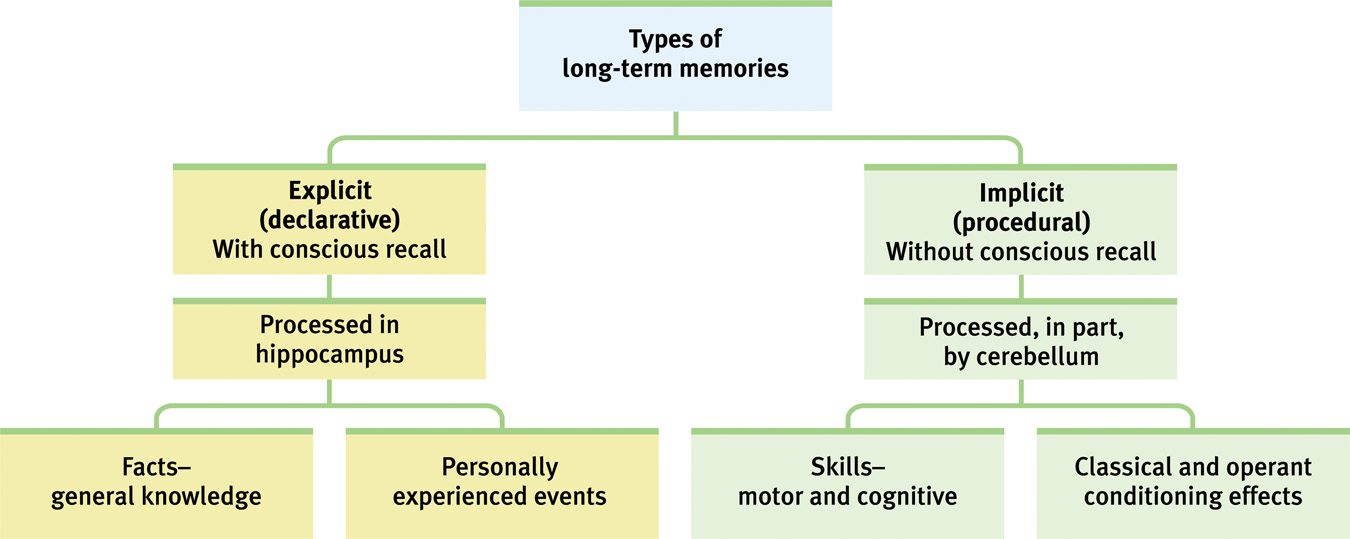
|
- In evaluating drug therapies it is important to keep the patients and
experimenter’s assistants blind to which patients got real treatment and
which placebo.
|
|
45
|
- Assigning participants to experimental (Breast-fed) and control
(formula-fed) conditions by random assignment minimizes pre-existing
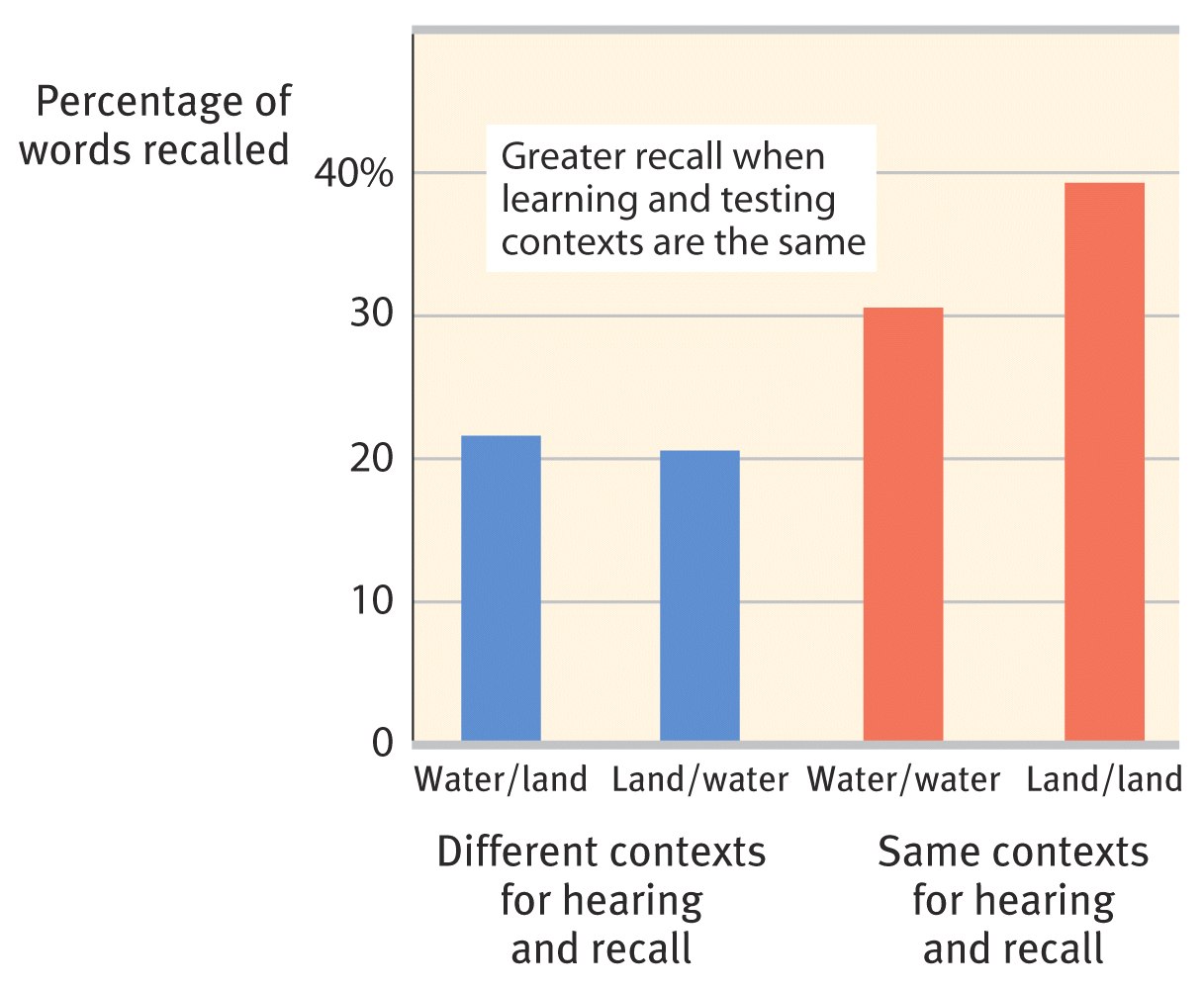
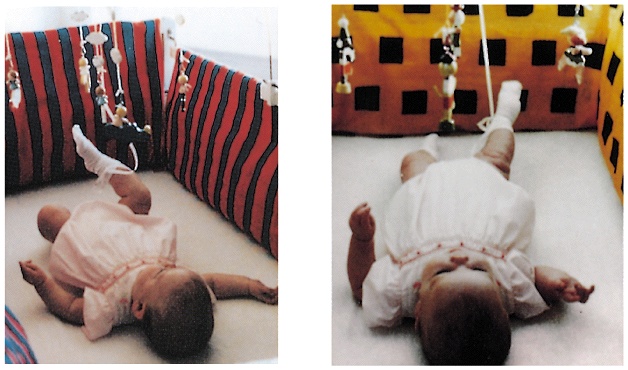
differences between the two groups.
|
|
46
|
|
|
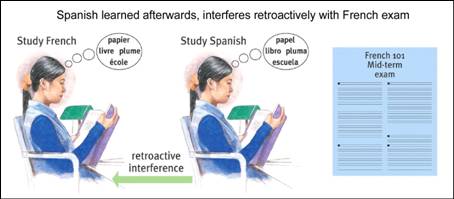
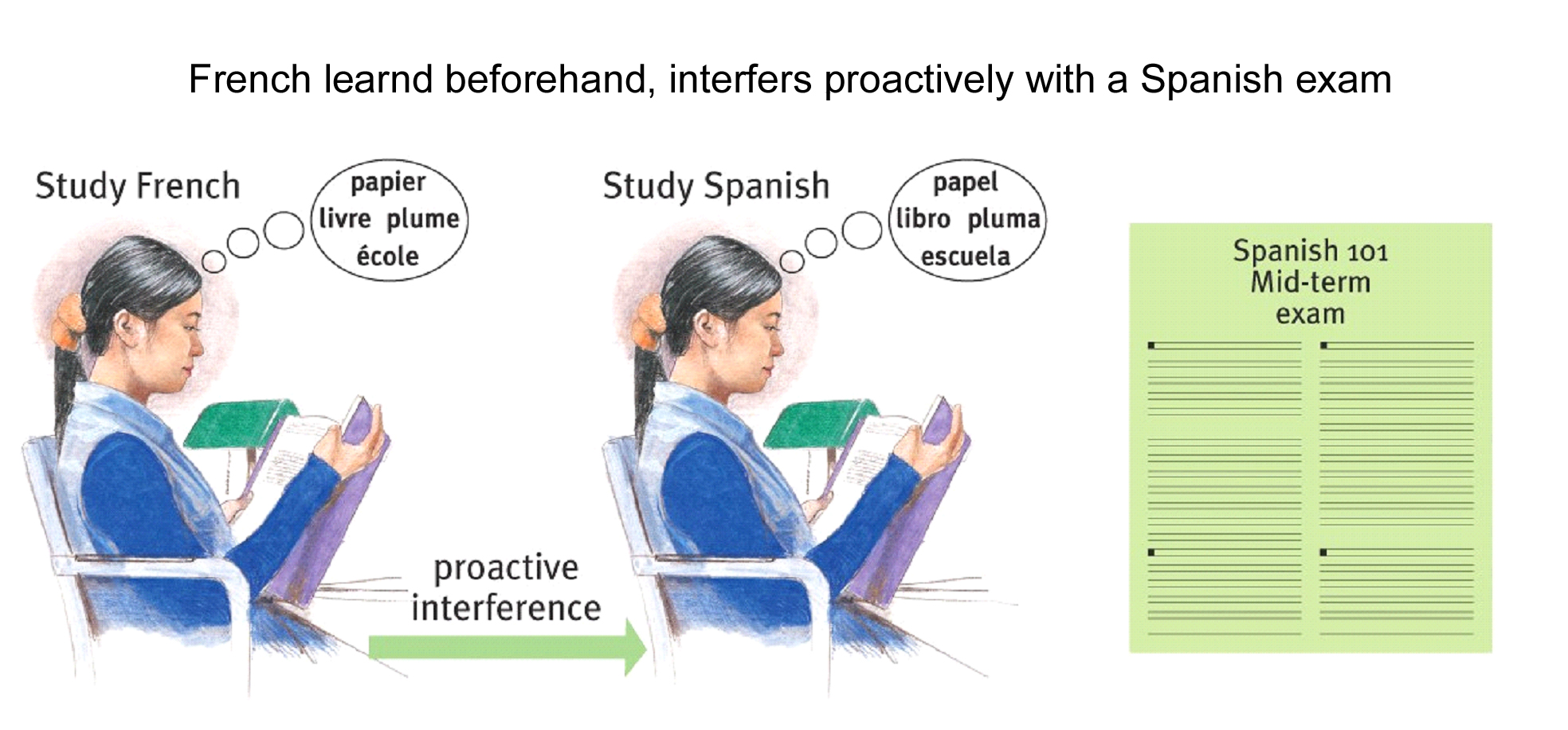
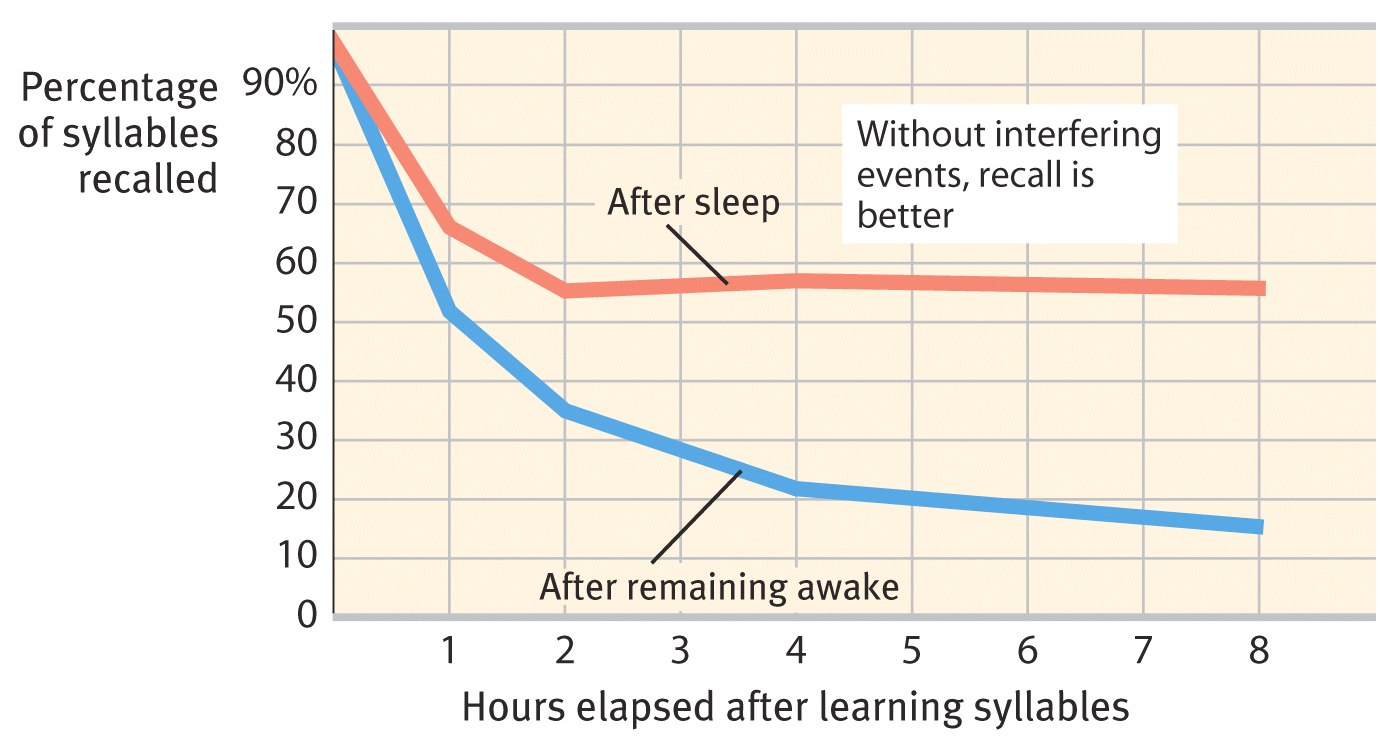
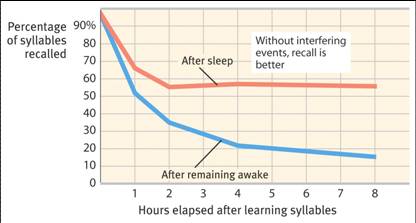
47
|
|
|
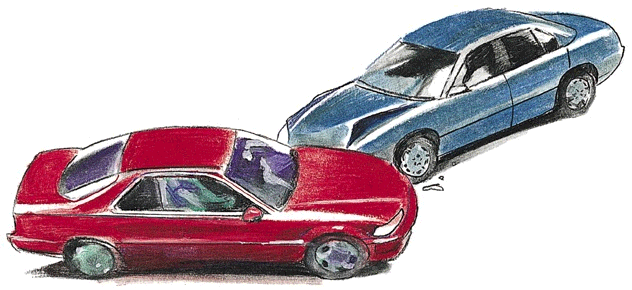
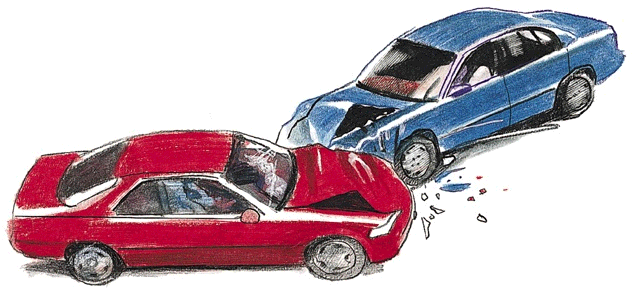
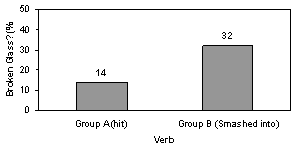
48
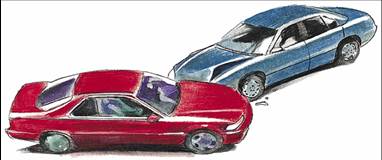
|
|
|
49
|
- Plato correctly located mind in the brain, however his student Aristotle
believed that mind was in the heart.
|
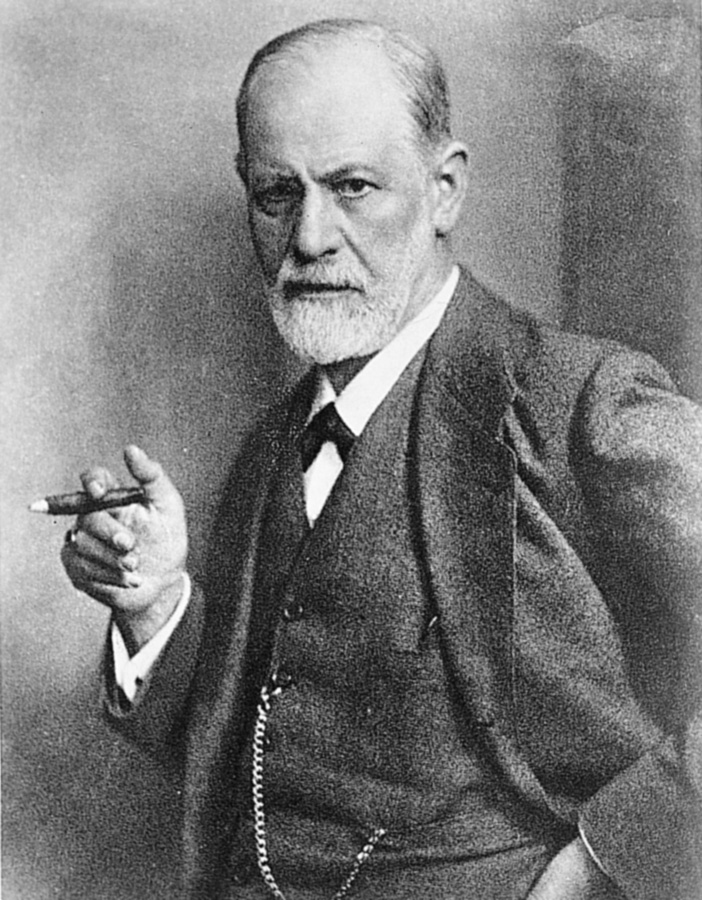
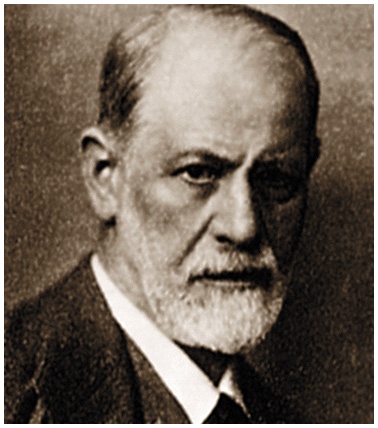
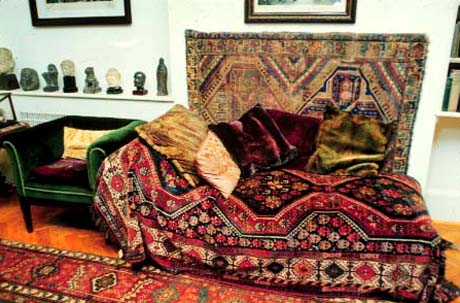
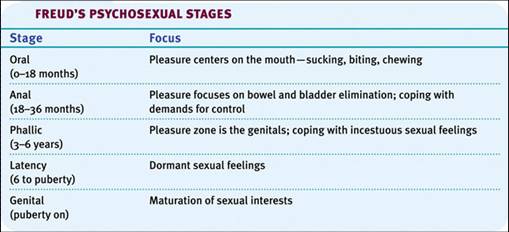
|
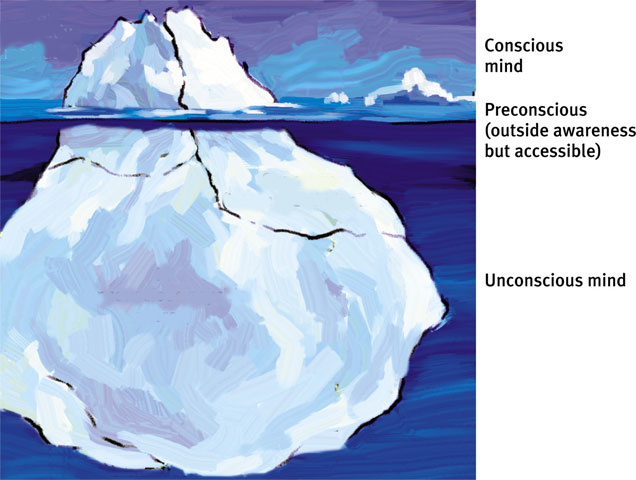
50
|
- The body’s information system is built from billions of interconnected
cells called neurons.
|
|
51
|
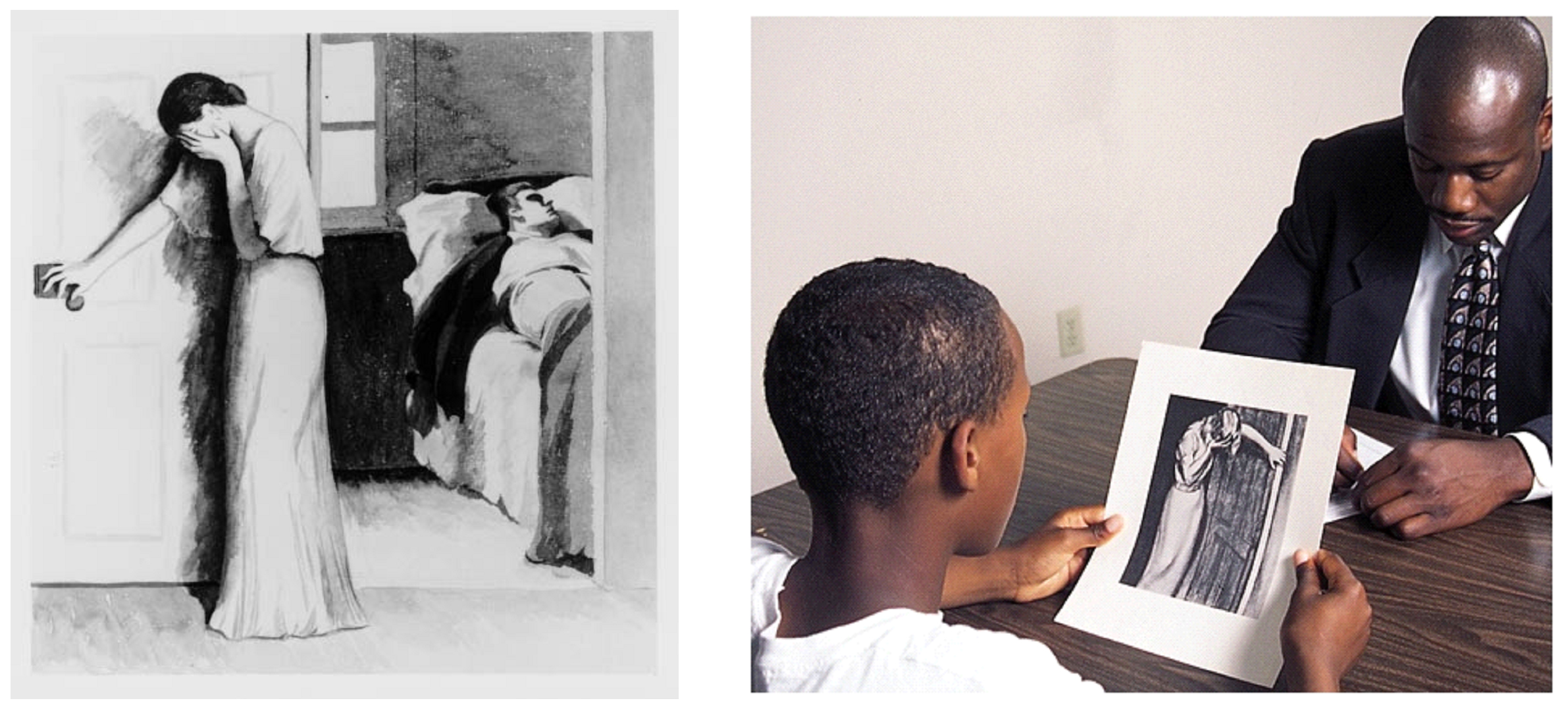
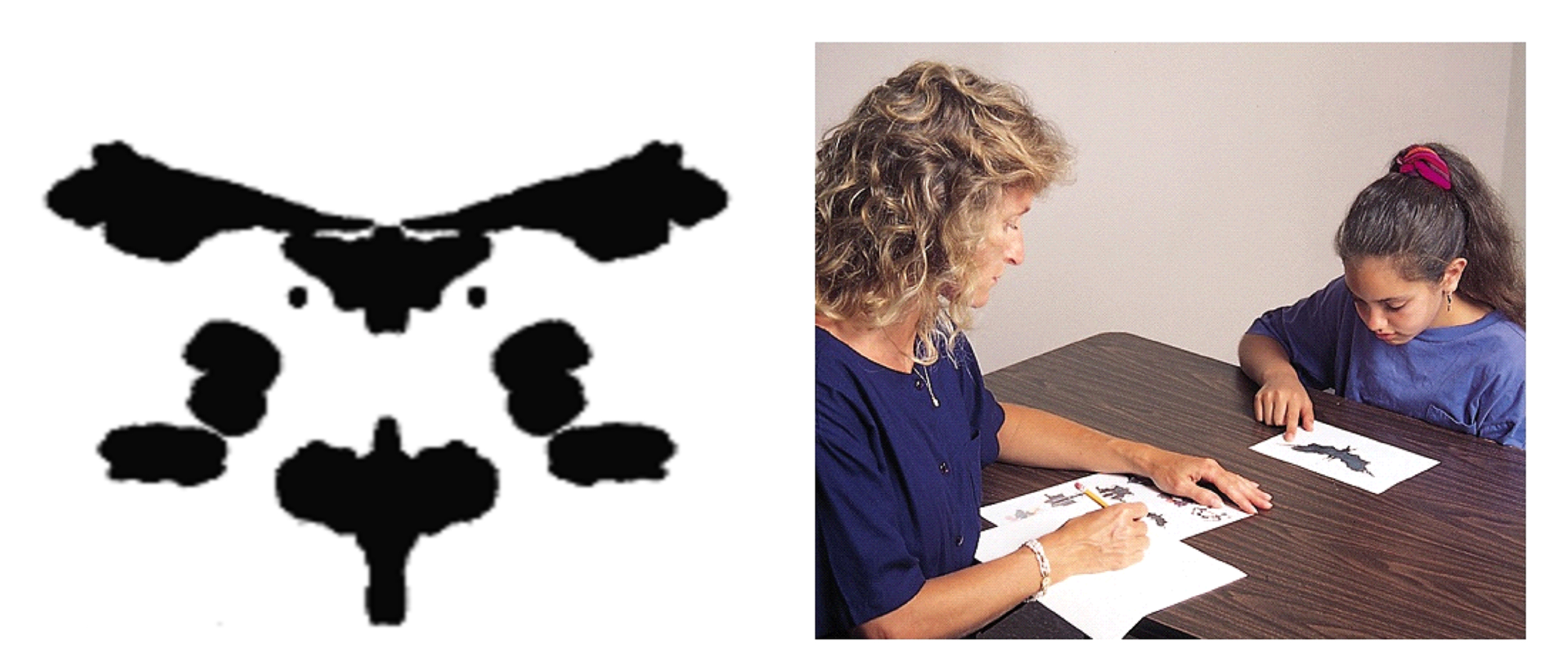
- We are biopsychosocial systems.
|
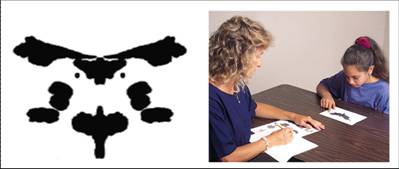
|
52
|
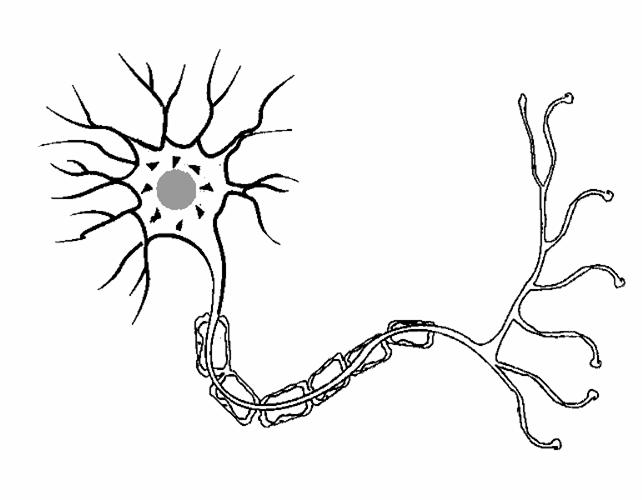
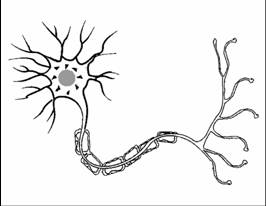
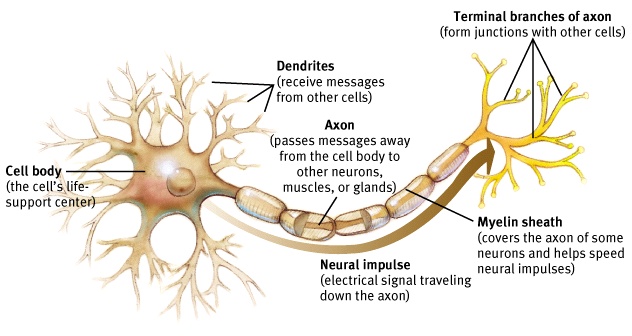
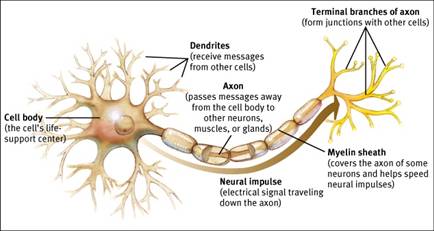
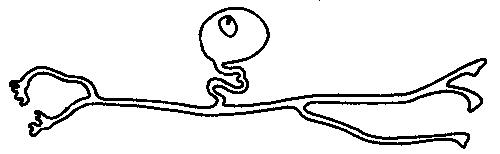
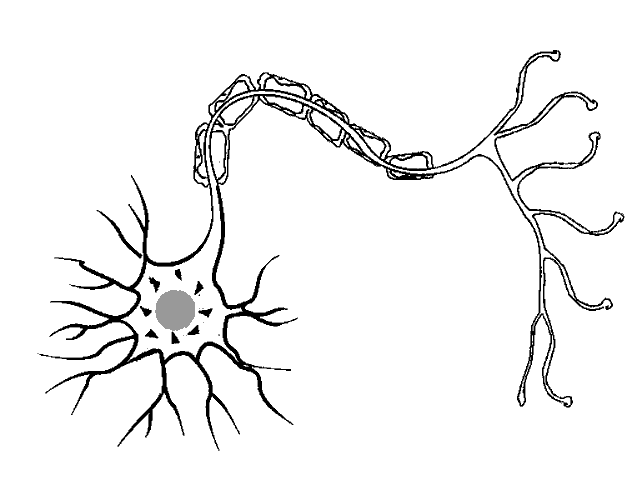
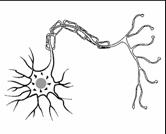
- A nerve cell or a neuron consists of many different parts.
|
|
53
|
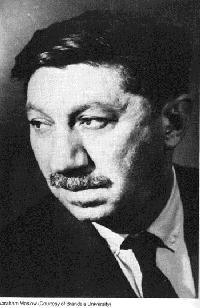
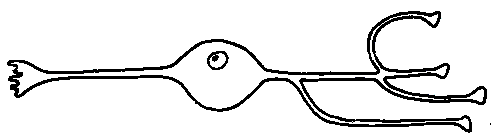
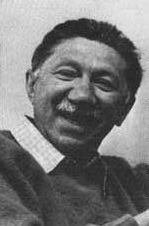
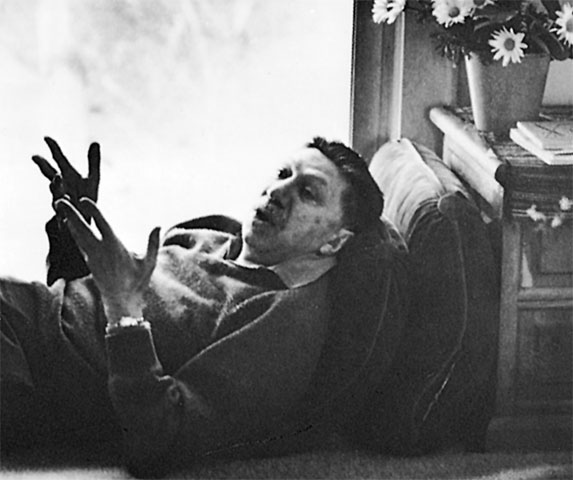
- Cell Body (soma): Life support center of the neuron.
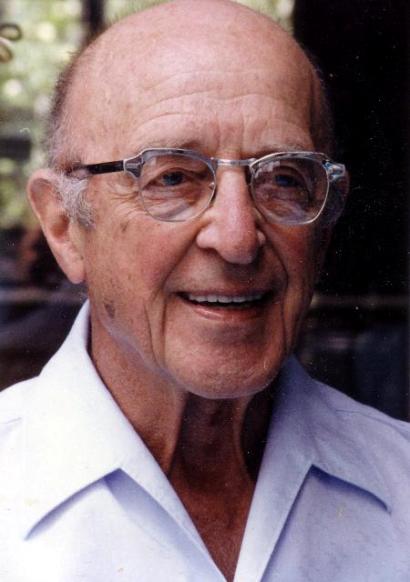
- Dendrites: Branching extensions at the cell body. Receives messages from
other neurons.
- Axon: Long single extension of a neuron, covered with myelin [MY-uh-lin]
sheath to insulate and speed up messages through neurons.
- Terminal Branches of axon: Branched ending of axons. Transmitting
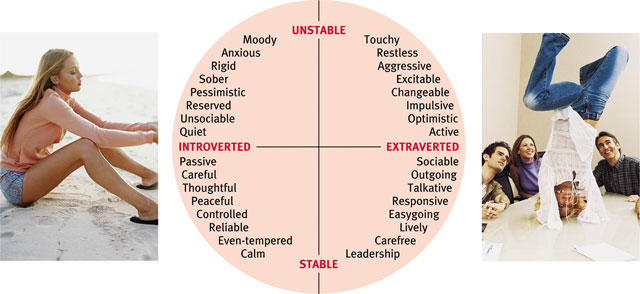
messages to other neurons.
|
|
54
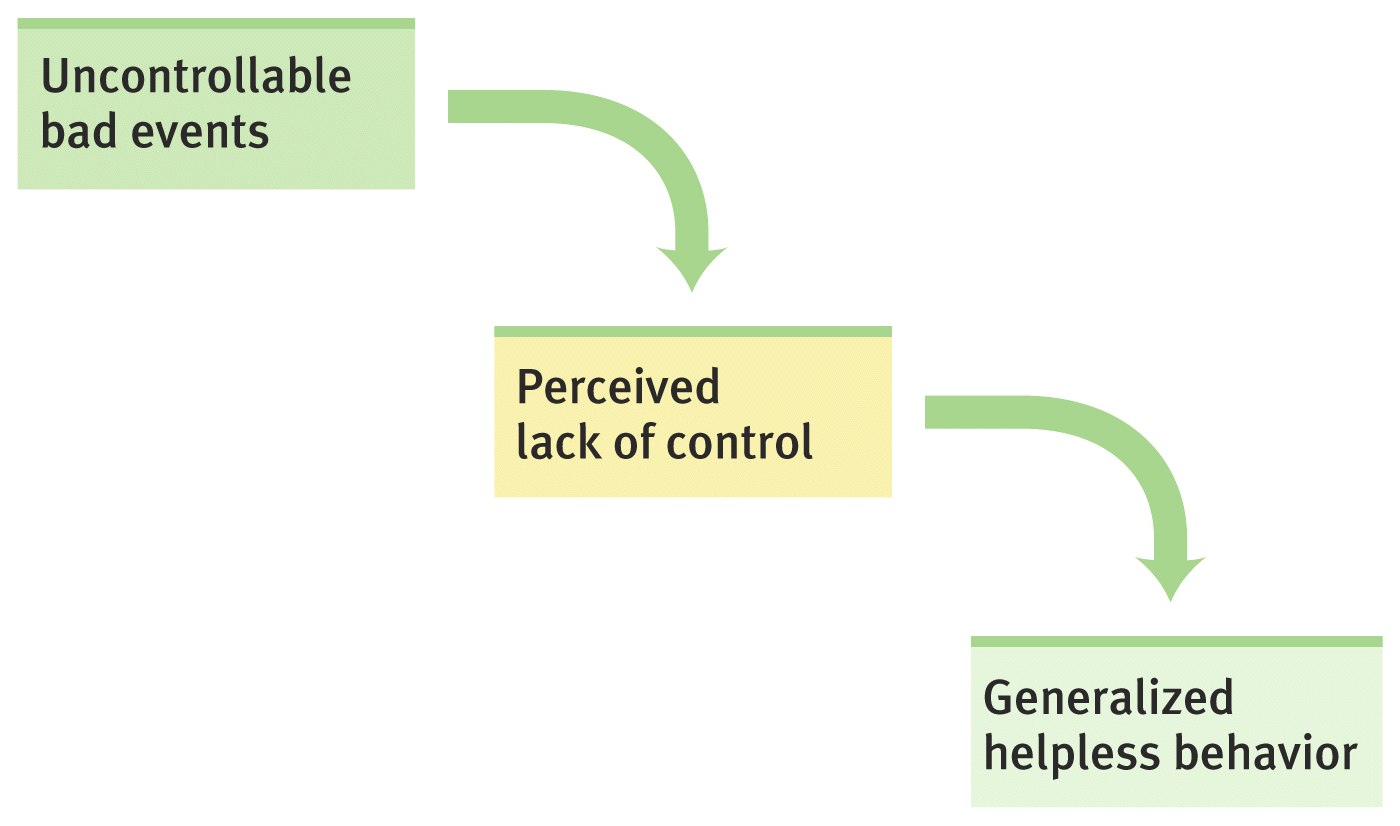
|
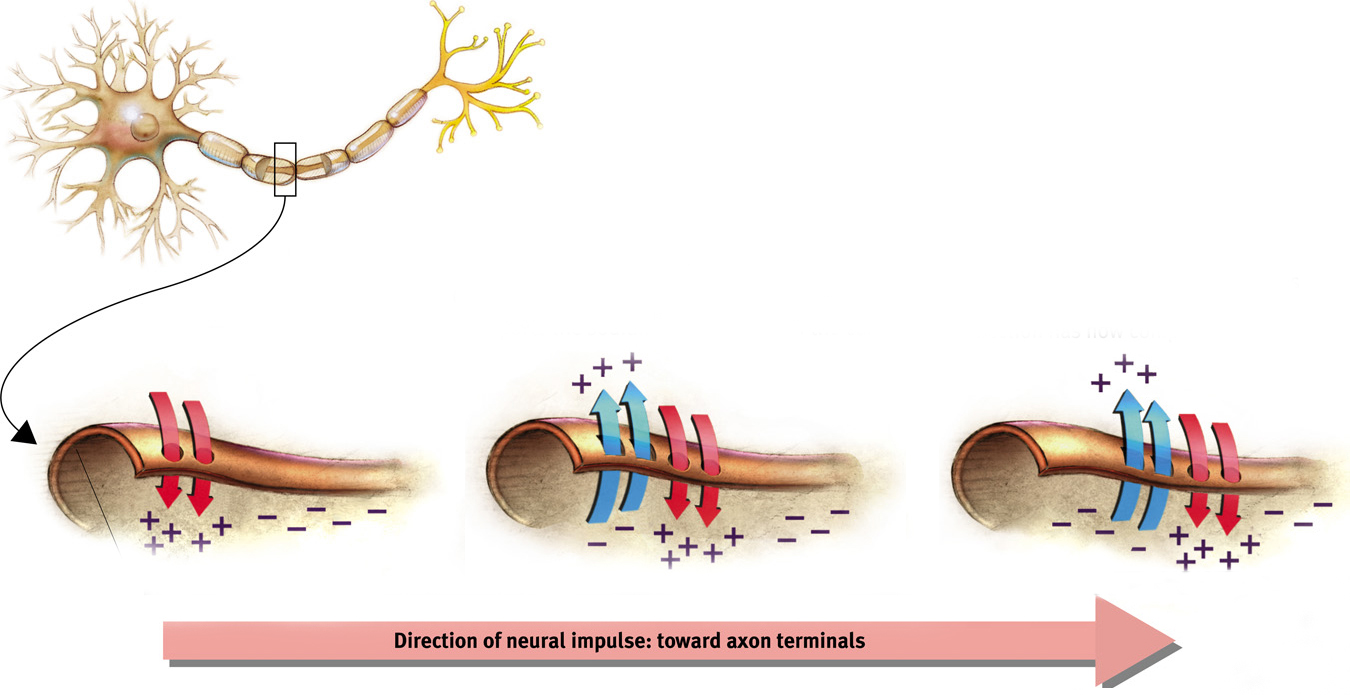
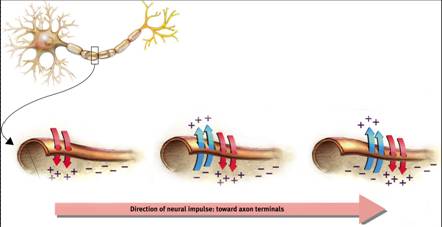
- A neural impulse. A brief electrical charge that travels down an axon
generated by the movement of positively charged atoms in and out of
channels in the axon’s membrane.
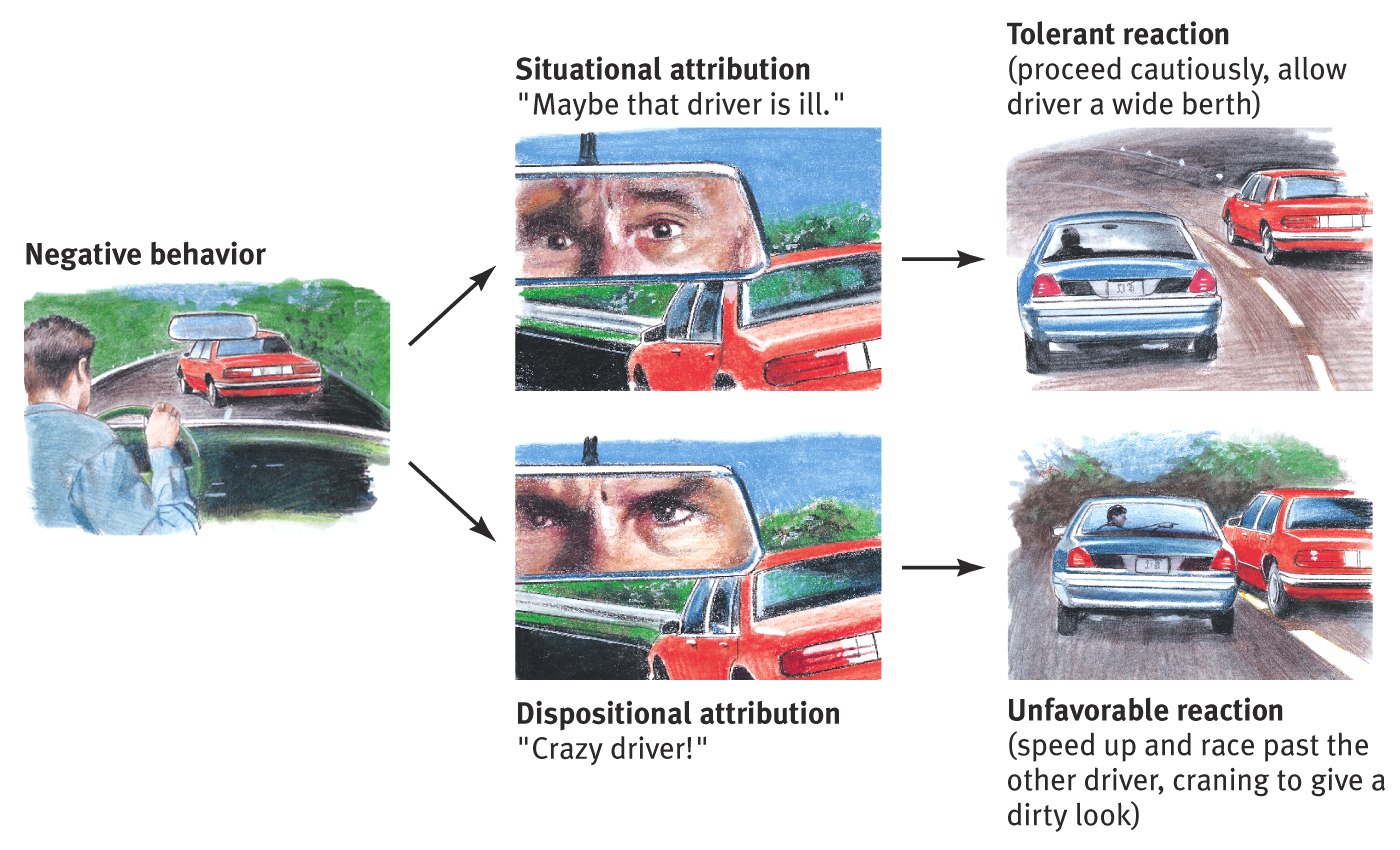
|
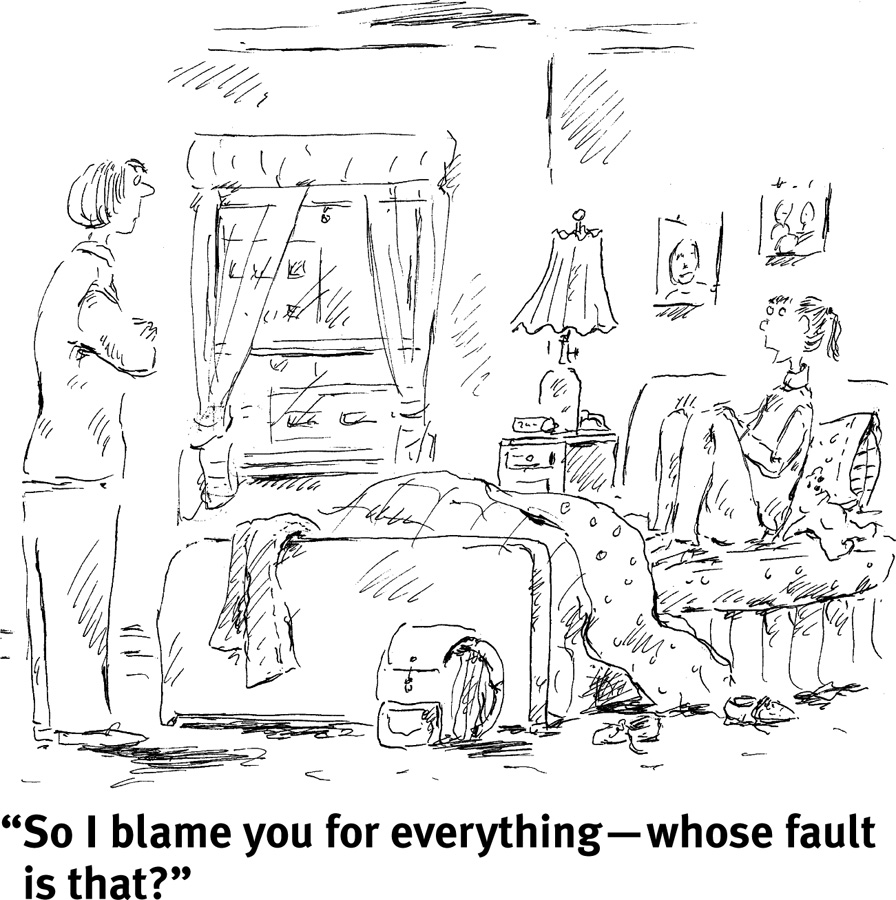
|
55
|
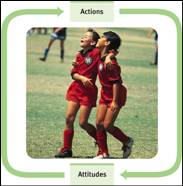
- Depolarization: Depolarization occurs, when positive ions enter the
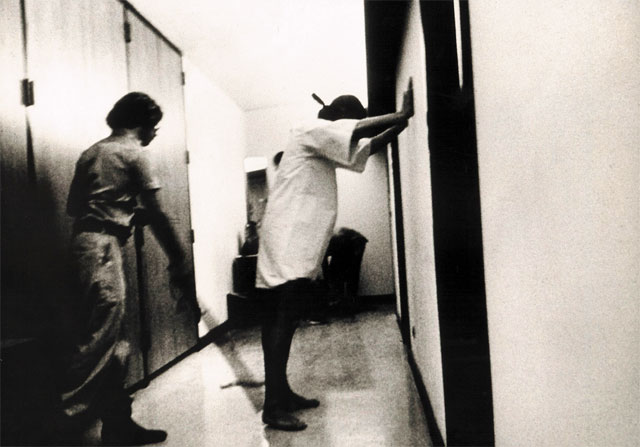
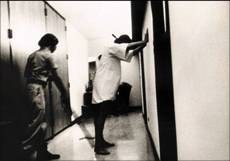
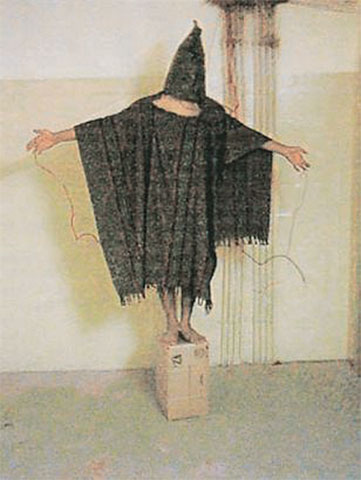
neuron, making it more susceptible to fire an action potential. When
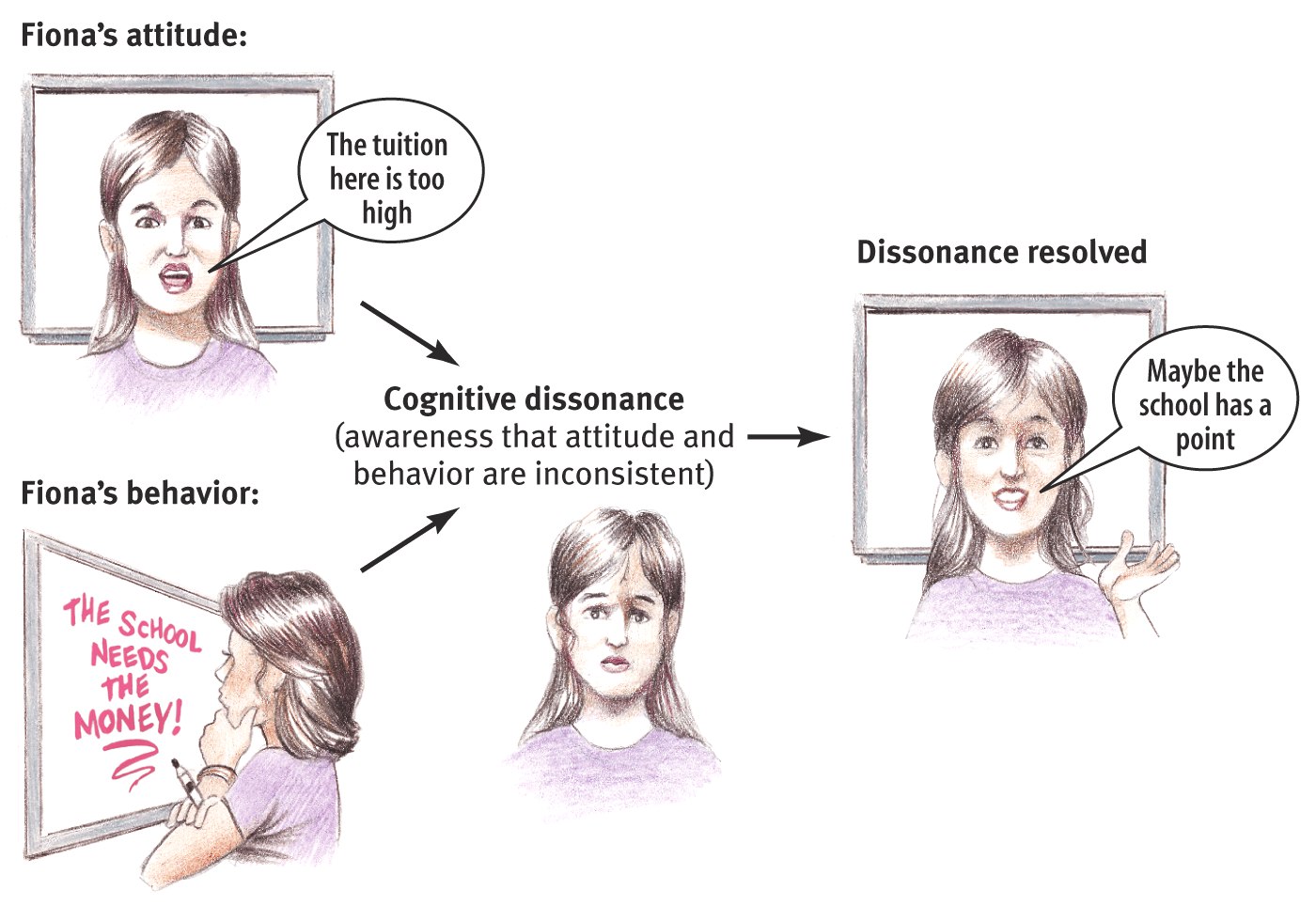
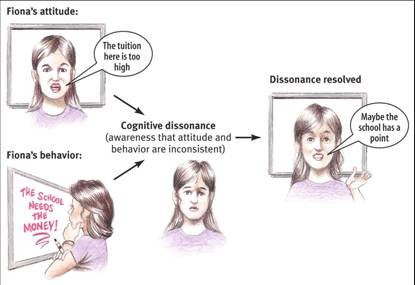
negative ions enter the neuron making it less susceptible to fire, hyperpolarization
occurs.
|
|
56
|
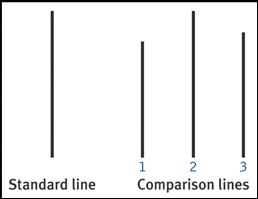
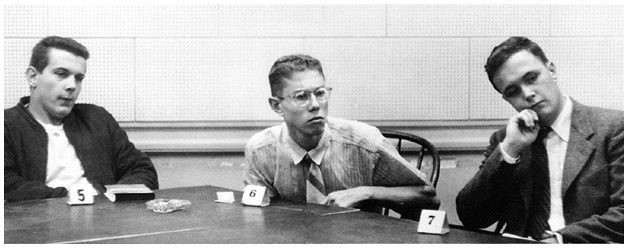
- Threshold: Each neuron receives depolarizing and hyperpolarizing
currents from many neurons. When the depolarizing current (positive
ions) minus the hyperpolarizing current (negative ions) exceed minimum
intensity (threshold) the neuron fires an action potential.
|
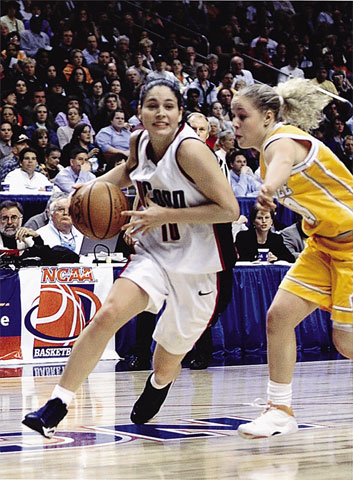
|
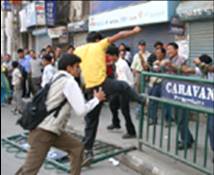
57
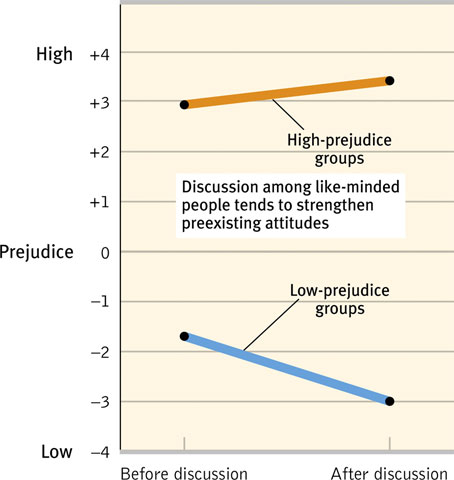
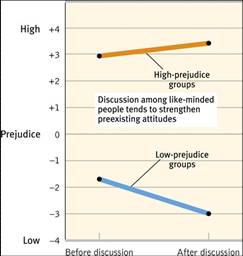
|
- Refractory Period: After a neuron has fired an action potential it
pauses for a short period to recharge itself to fire again.
- Sodium-Potassium Pumps: Sodium-potassium pumps pump positive ions out
from the inside of the neuron, making them ready for another action
potential.
|
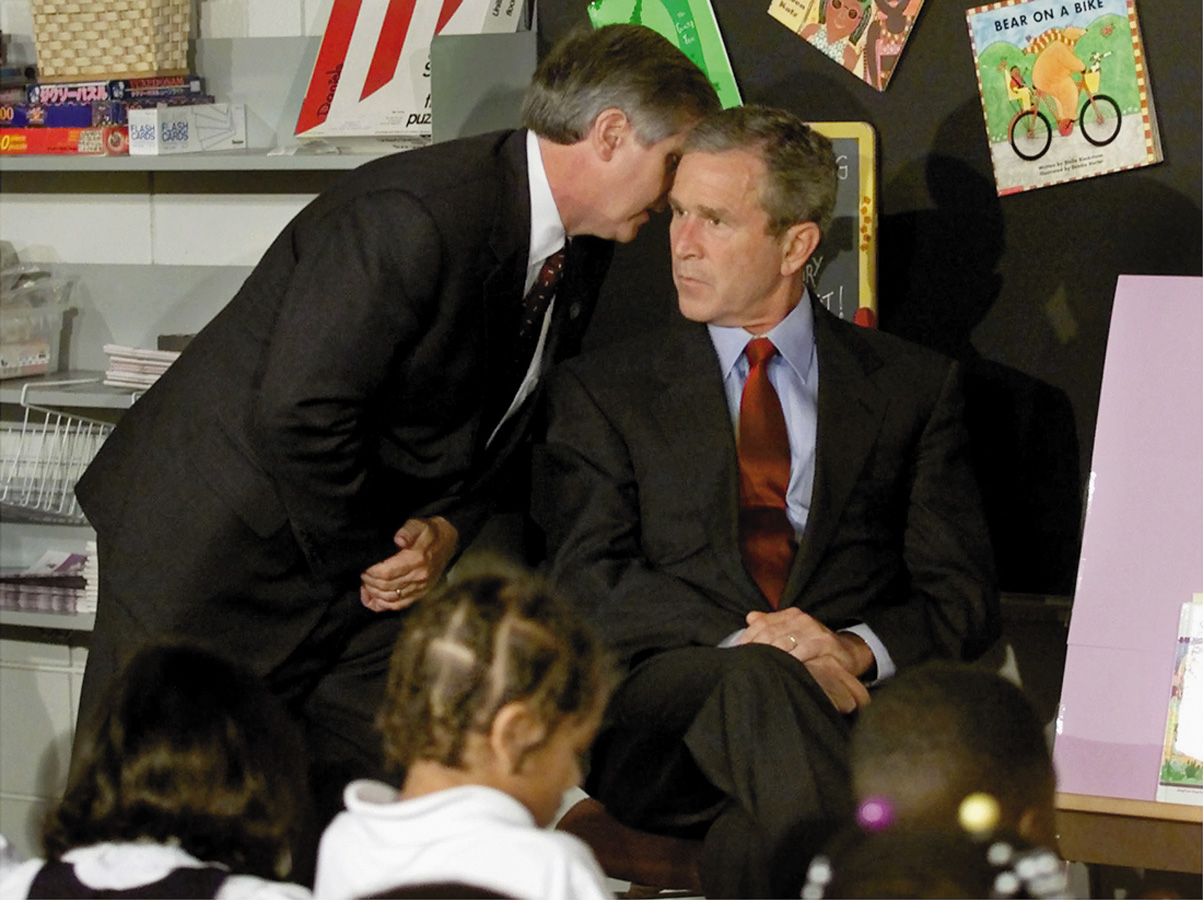
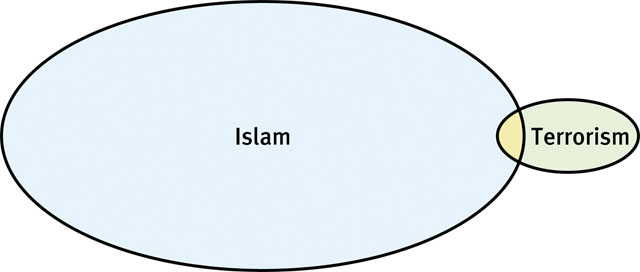
|
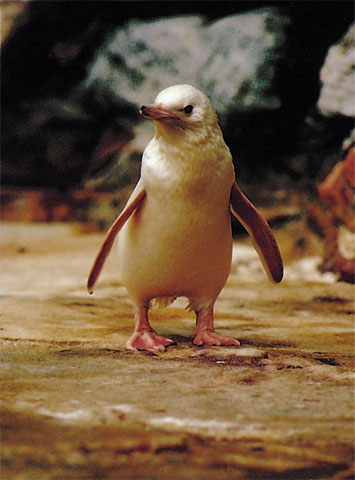
58
|
- All-or-None Response: When depolarizing current exceeds the threshold a
neuron will fire, and below threshold it will not.
- Intensity of an action potential remains the same, throughout the length
of the axon.
|
|
59
|
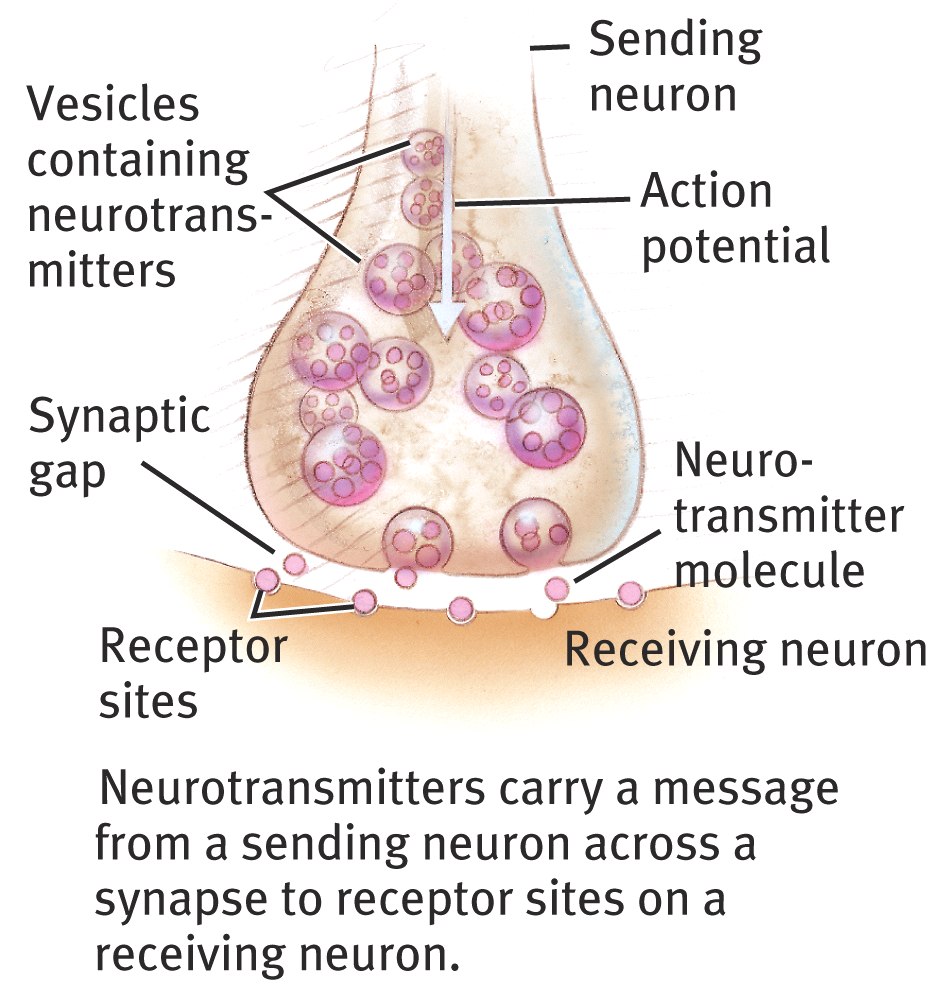
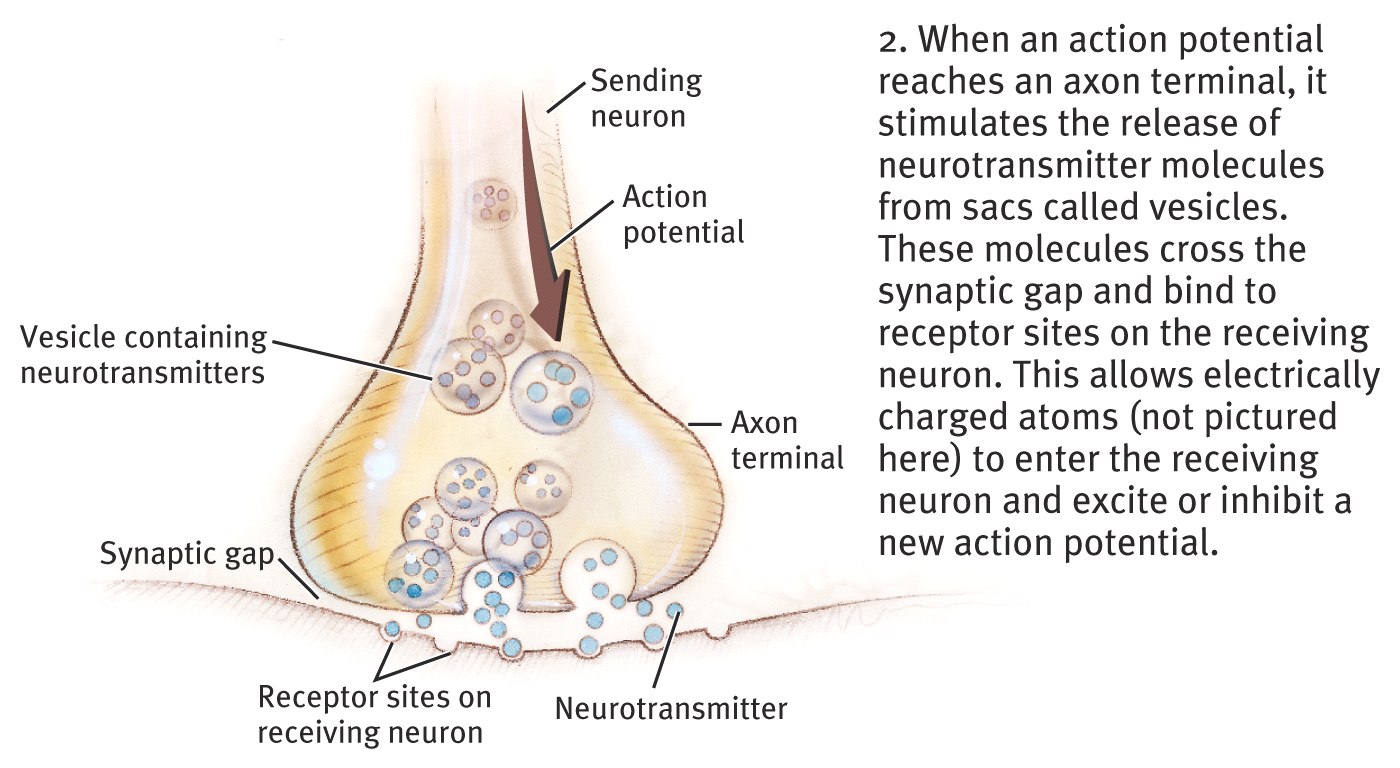
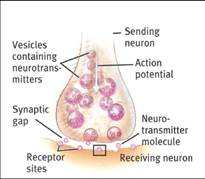
- Synapse [SIN-aps] a junction between the axon tip of the sending neuron
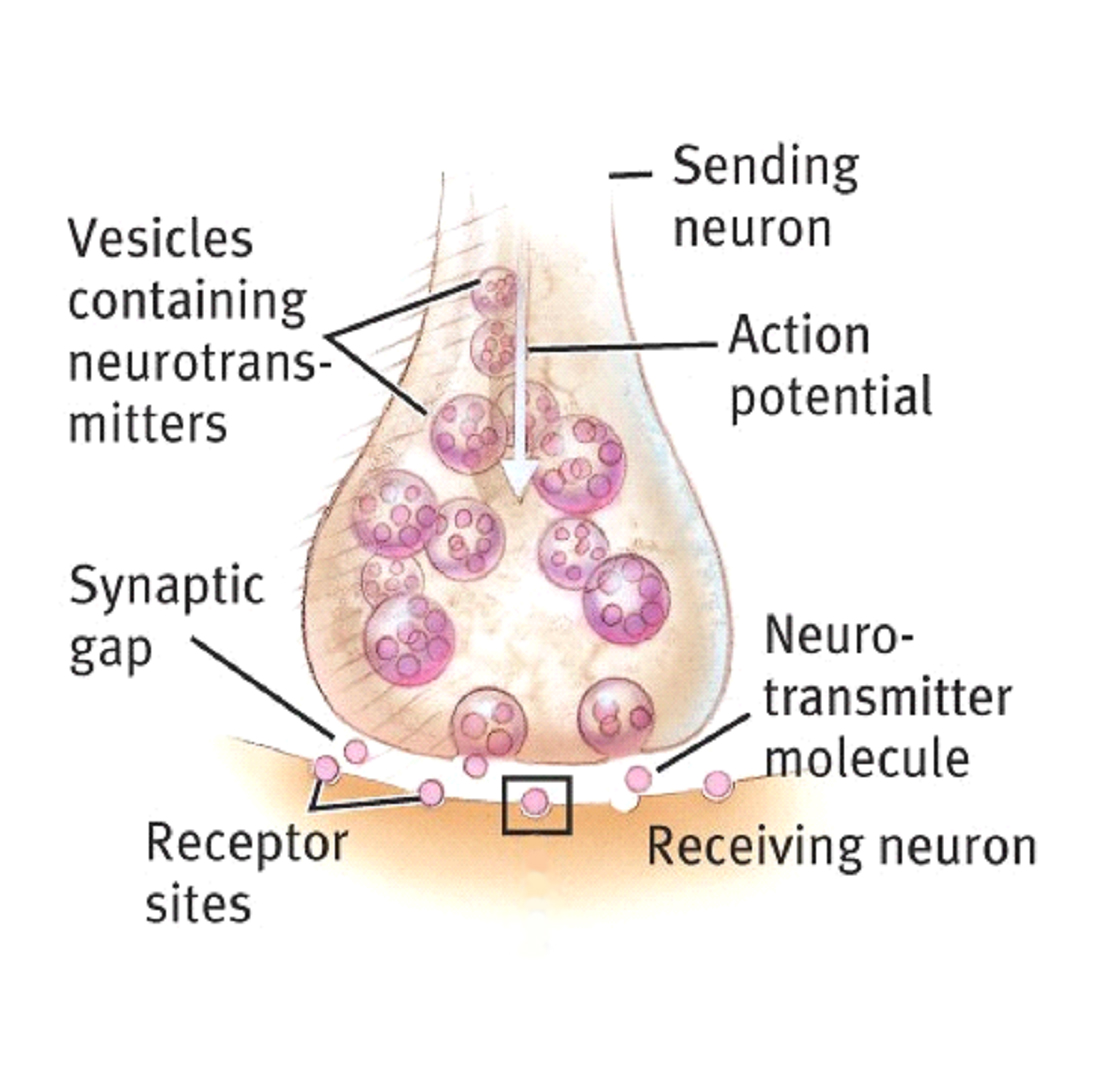
and the dendrite or cell body of the receiving neuron. This tiny gap is
called the synaptic gap or cleft.
|
|
60
|
- Neurotransmitters (chemicals) released from the sending neuron, travel
across the synapse and bind to receptor sites on the receiving neuron,
thereby influencing it to generate an action potential.
|
|
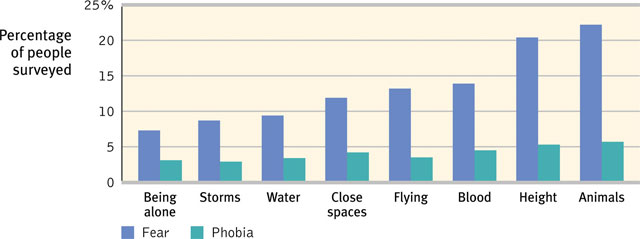
61
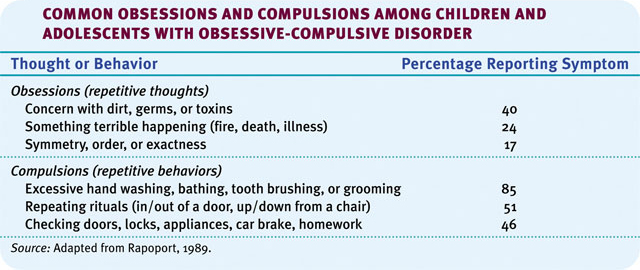
|
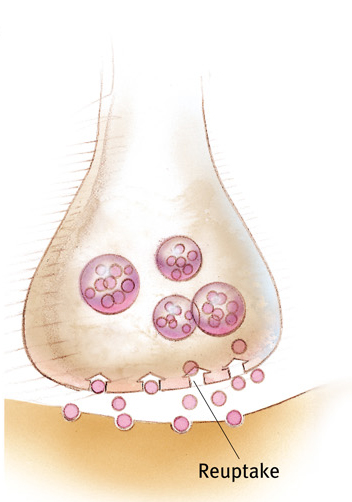
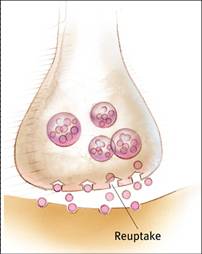
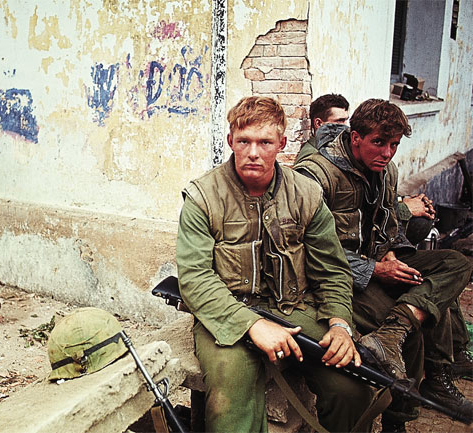
- Neurotransmitters in the synapse are reabsorbed into the sending neurons
through the process of reuptake. This process applies brakes on
neurotransmitter action.
|
|
62
|
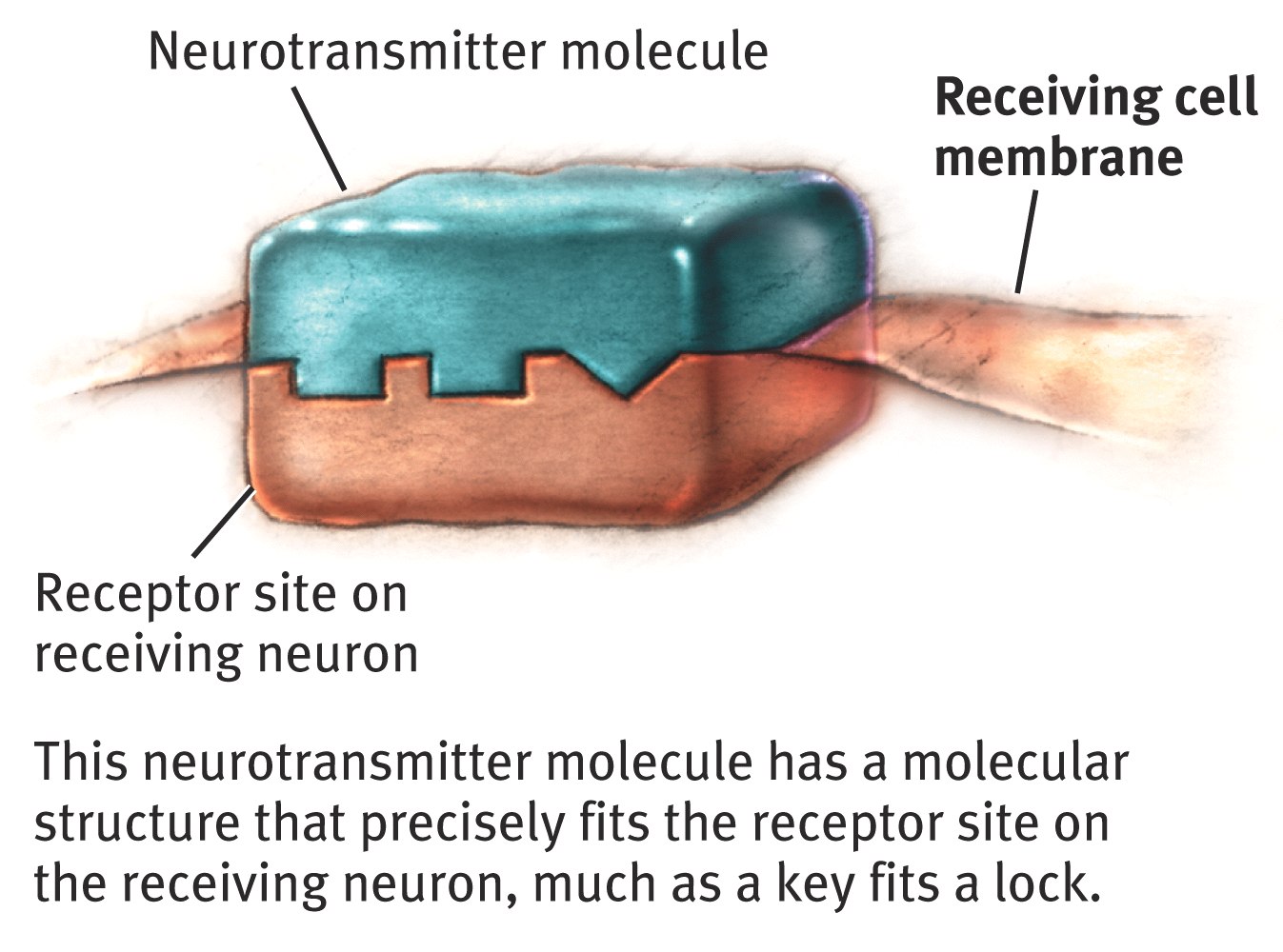
- Neurotransmitters bind to the receptors of the receiving neuron in a
key-lock mechanism.
|
|
63
|
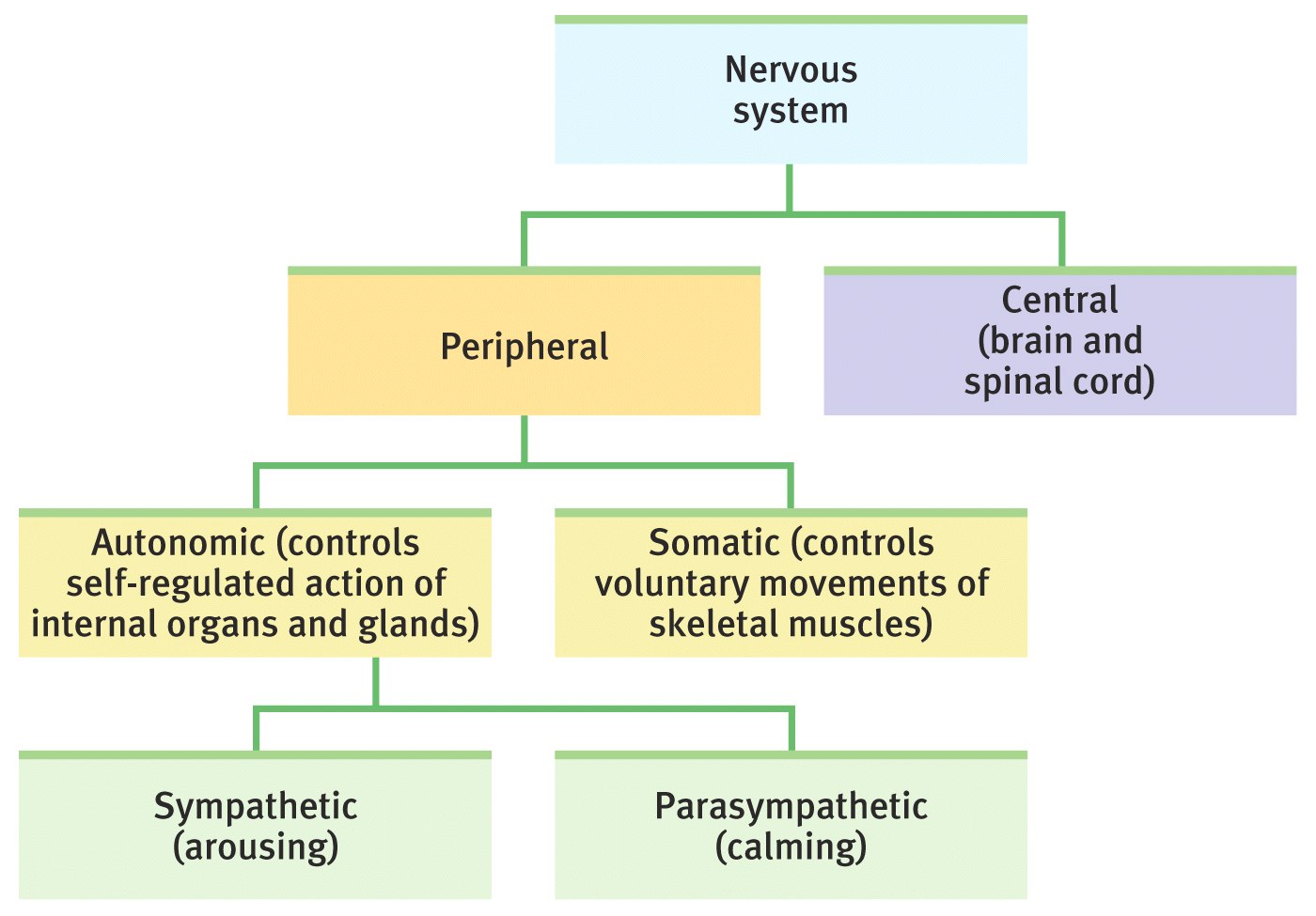
- Nervous System: Consists of all the nerve cells. It is the body’s
speedy, electrochemical communication system.
- Central Nervous System (CNS): the brain and spinal cord.
- Peripheral Nervous System (PNS): the sensory and motor neurons that
connect the central nervous system (CNS) to the rest of the body.
|
|
64
|
|
|
65
|
- Sensory Neurons carry incoming information from the sense receptors to
the CNS. Motor Neurons carry outgoing information from the CNS to
muscles and glands. Interneurons connect the two neurons.
|
|
66
|
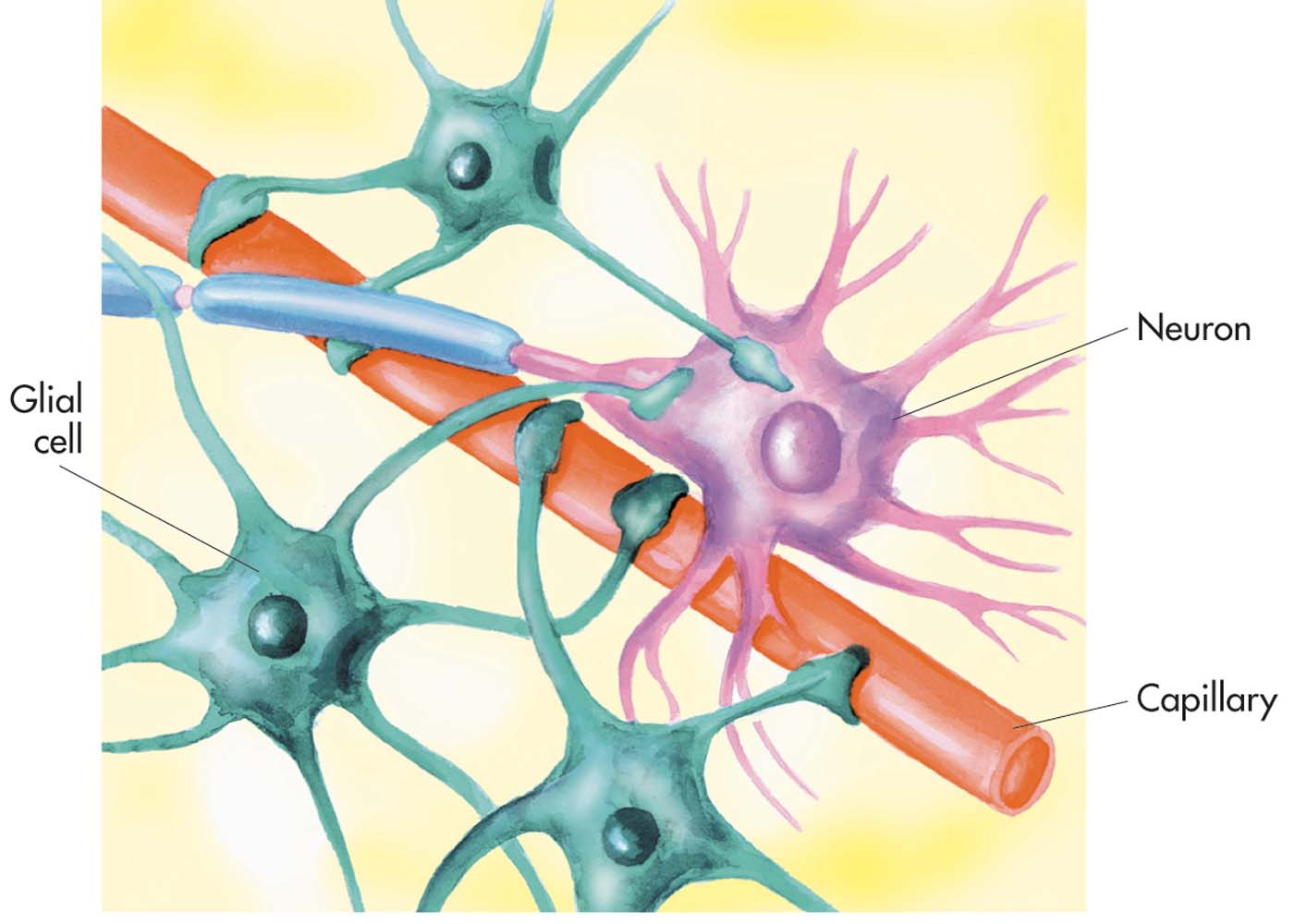
- Astrocytes provide nutrition to neurons. Oligodendrocytes and Schwann
cells insulate neurons as myelin.
|
|
67
|
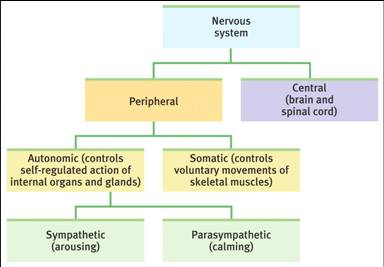
- Somatic Nervous System: The division of the peripheral nervous system
that controls the body’s skeletal muscles.
- Autonomic Nervous System: Part of the PNS that controls the glands and
other muscles.
|
|
68
|
- Sympathetic Nervous System: division of the ANS that arouses the body,
mobilizing its energy in stressful situations.
- Parasympathetic Nervous System: division of the ANS that calms the body,
conserving its energy.
|
|
69
|
|
|
70
|
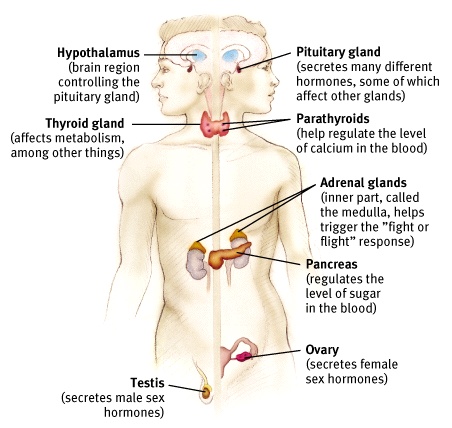
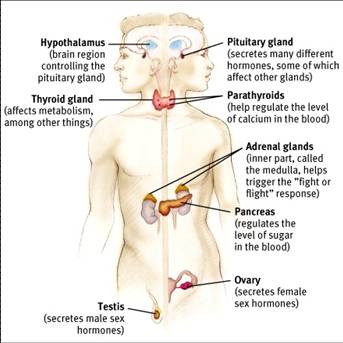
- Hormones are chemicals synthesized by the endocrine glands and secreted
in the bloodstream. Hormones affect the brain many other tissues of the
body.
|
|
71
|
|
|
72
|
|
|
73
|
|
|
74
|
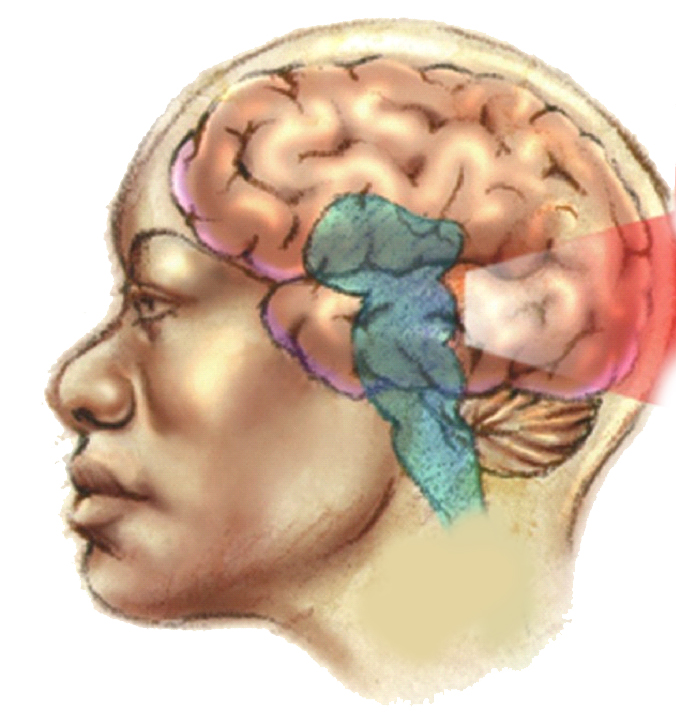
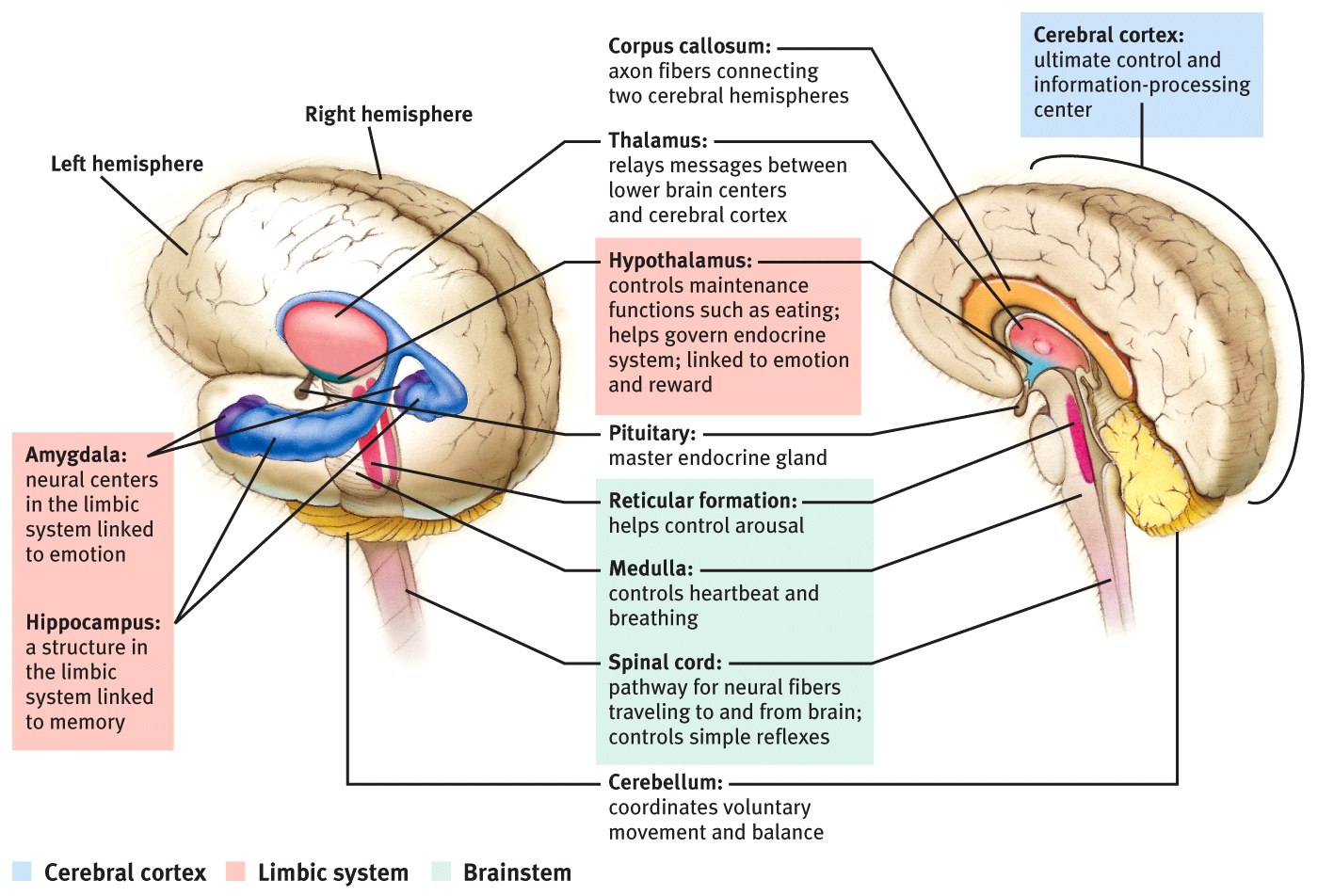
- Brainstem the oldest part of the brain, beginning where the spinal cord
swells and enters the skull. Responsible for automatic survival
functions.
|
|
75
|
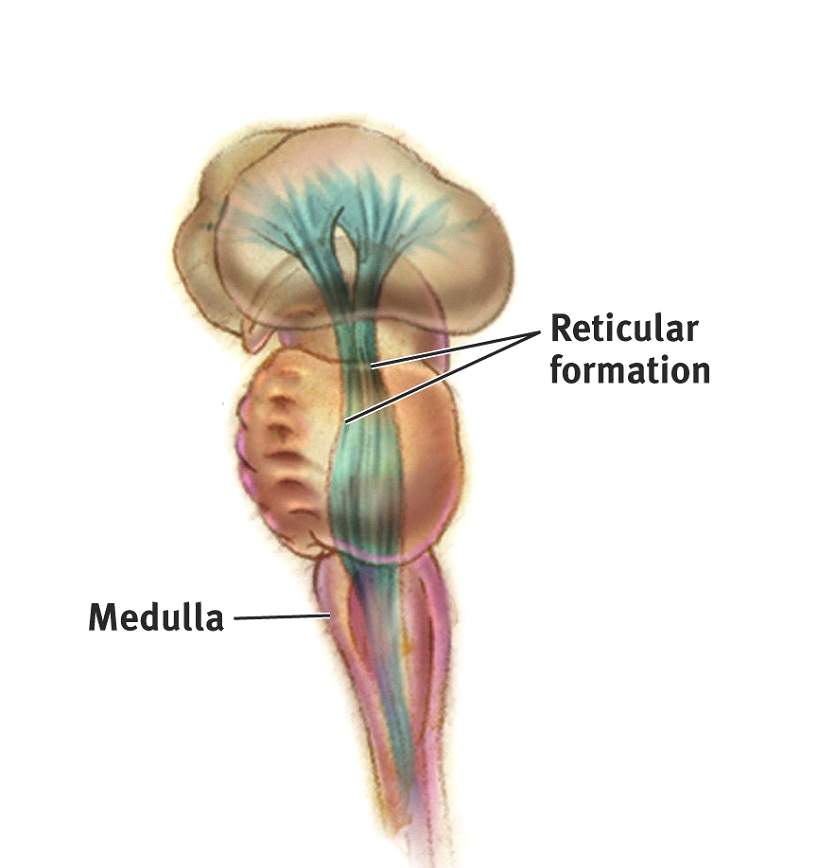
- Medulla [muh-DUL-uh] base of the brainstem, controls heartbeat and
breathing.
- Reticular Formation a nerve network in the brainstem that plays an
important role in controlling arousal.
|
|
76
|
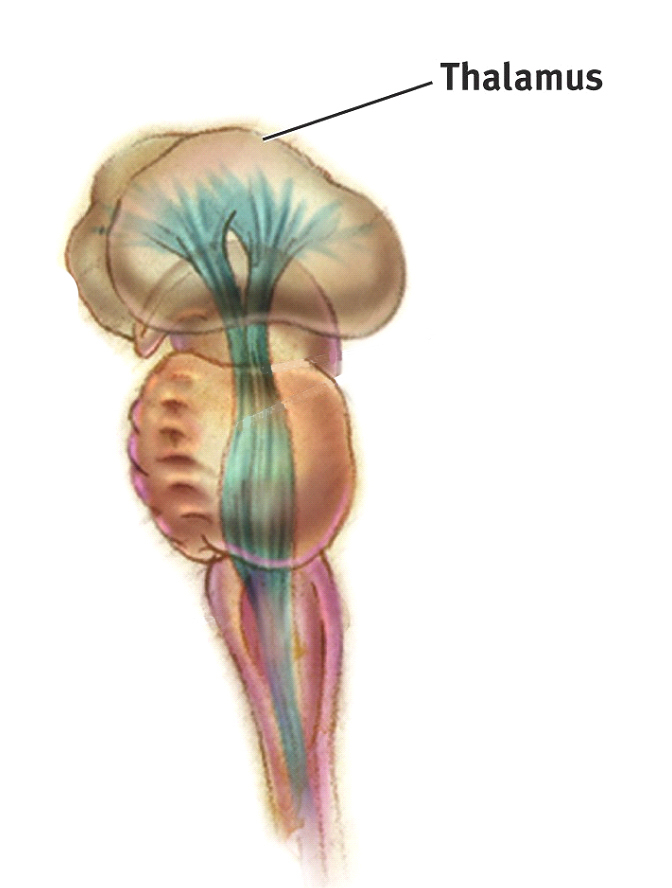
- Thalamus [THAL-uh-muss] the brain’s sensory switchboard, located on top
of the brainstem. It directs messages to the sensory areas in the cortex
and transmits replies to the cerebellum and medulla.
|
|
77
|
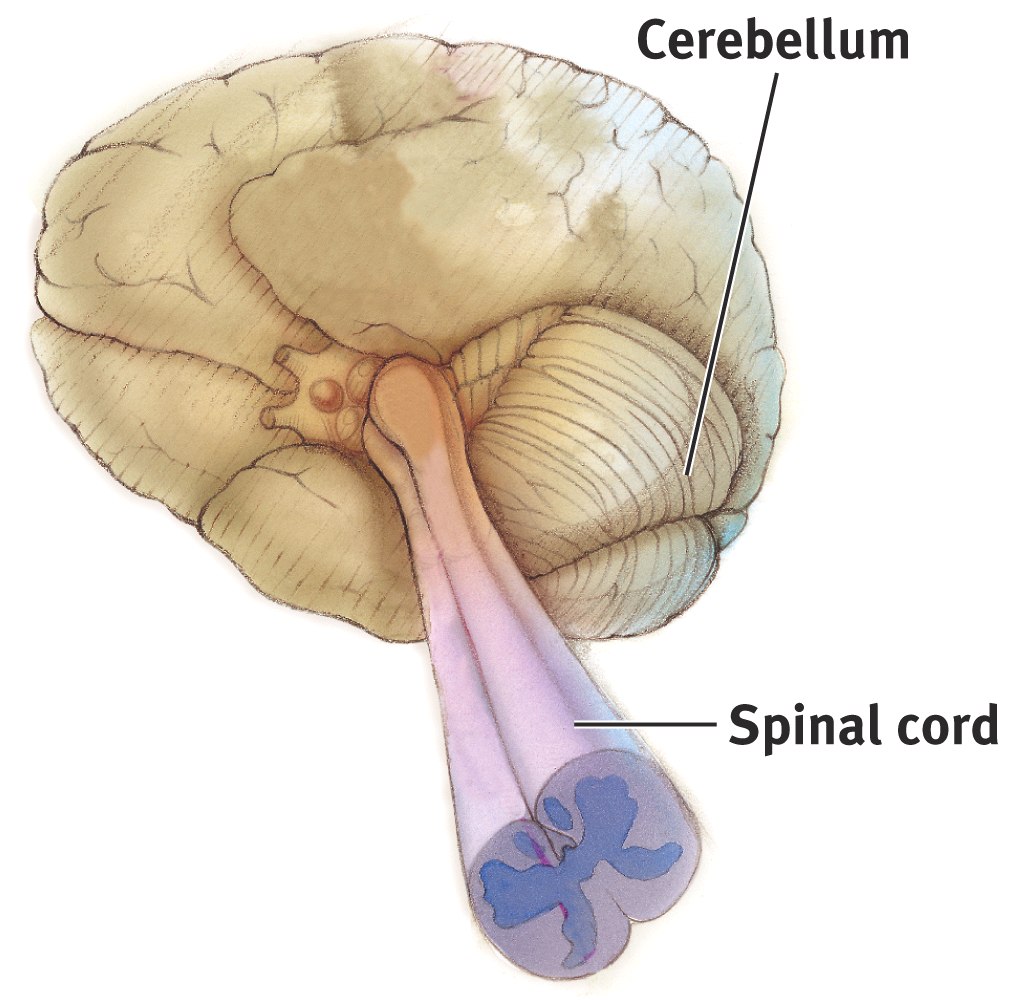
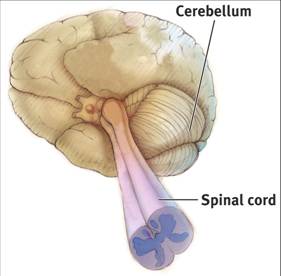
- The “little brain” attached to the rear of the brainstem. It helps
coordinate voluntary movements and balance.
|
|
78
|
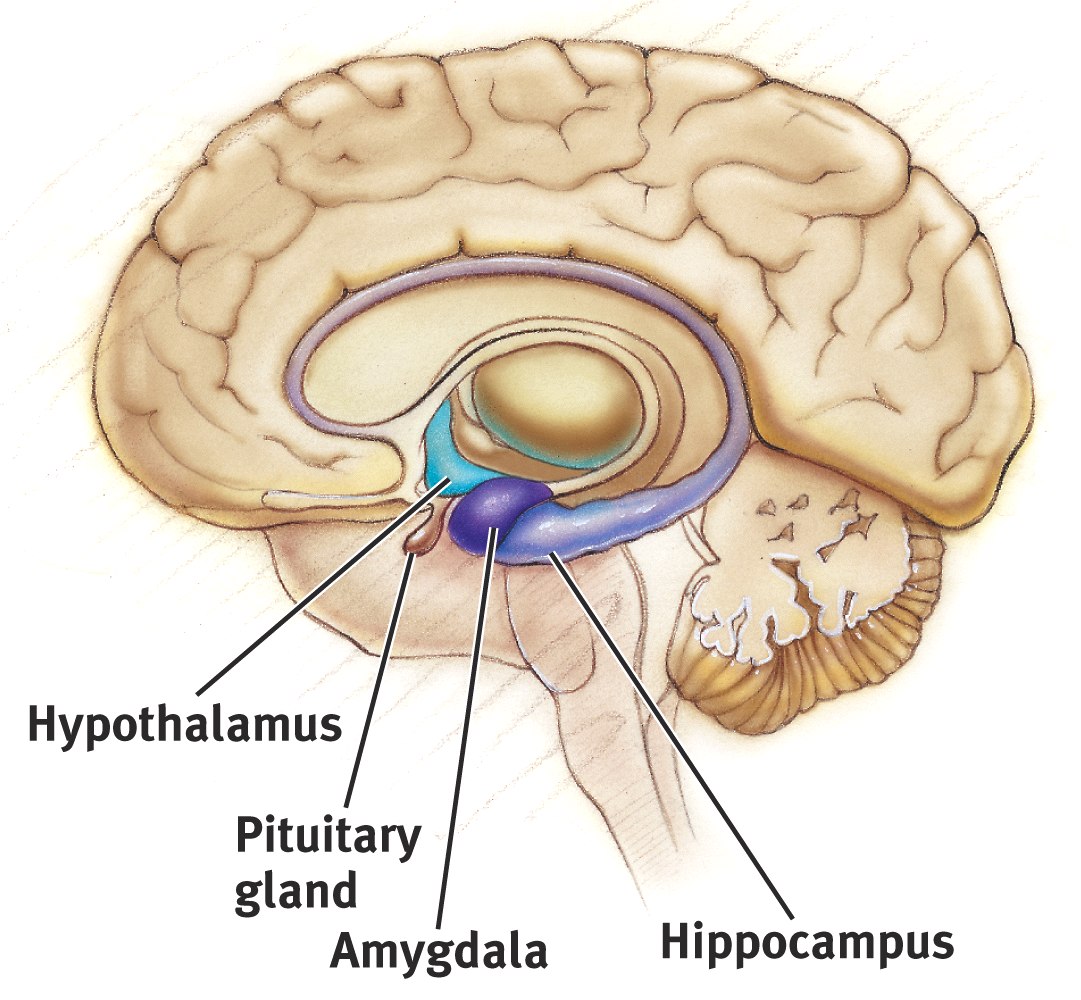
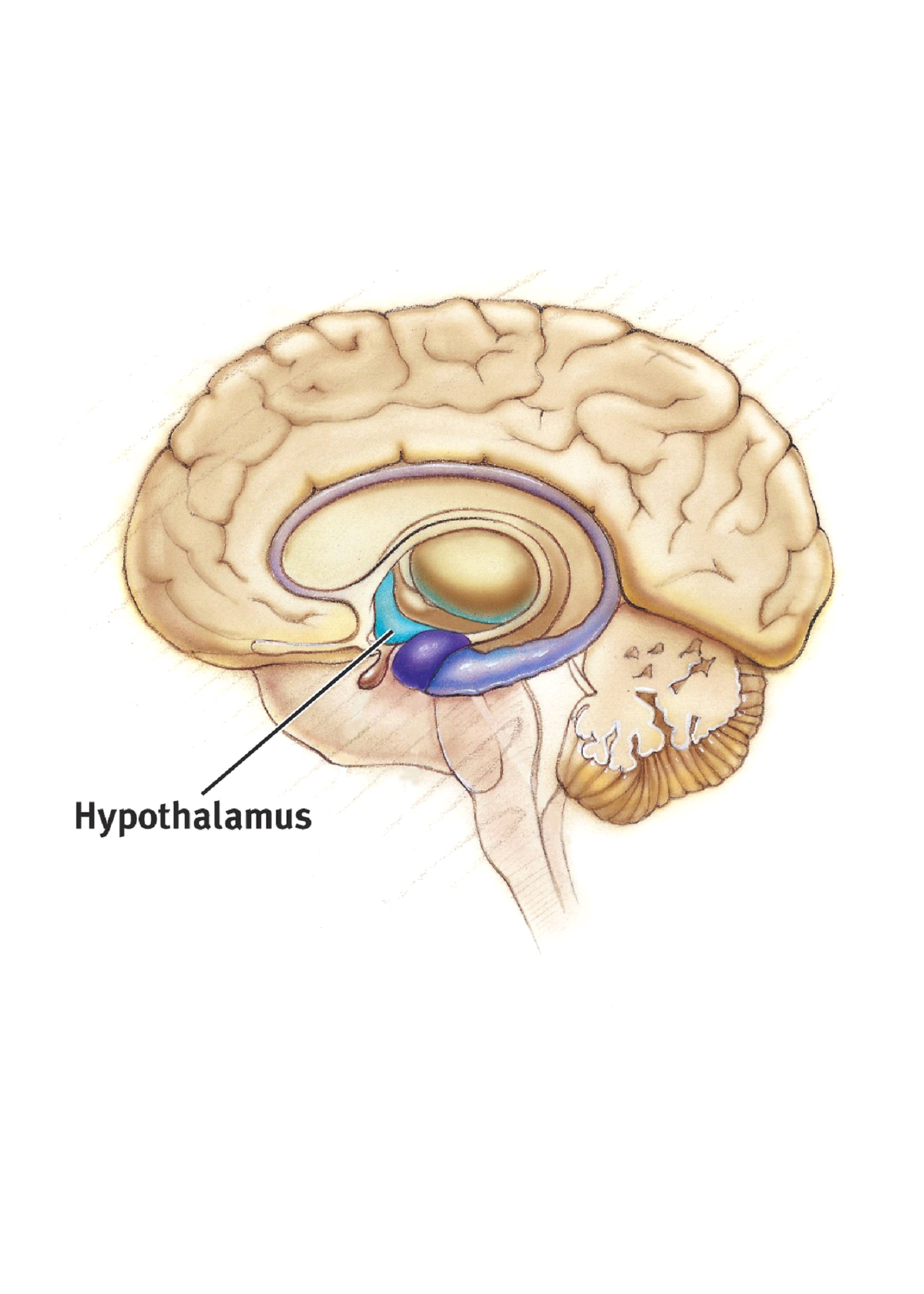
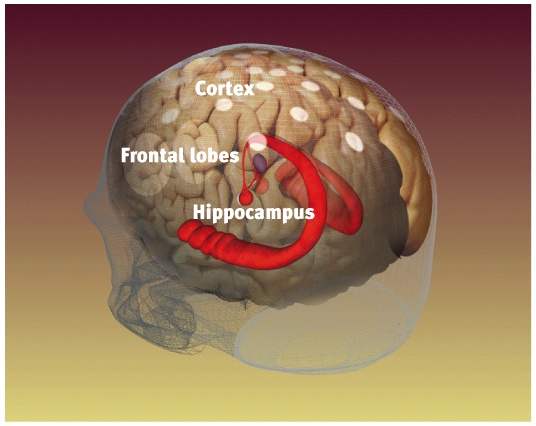
- Limbic System a doughnut-shaped system of neural structures at the
border of the brainstem and cerebrum, associated with emotions such as
fear, aggression and drives for food and sex. It includes the
hippocampus, amygdala, and hypothalamus.
|
|
79
|
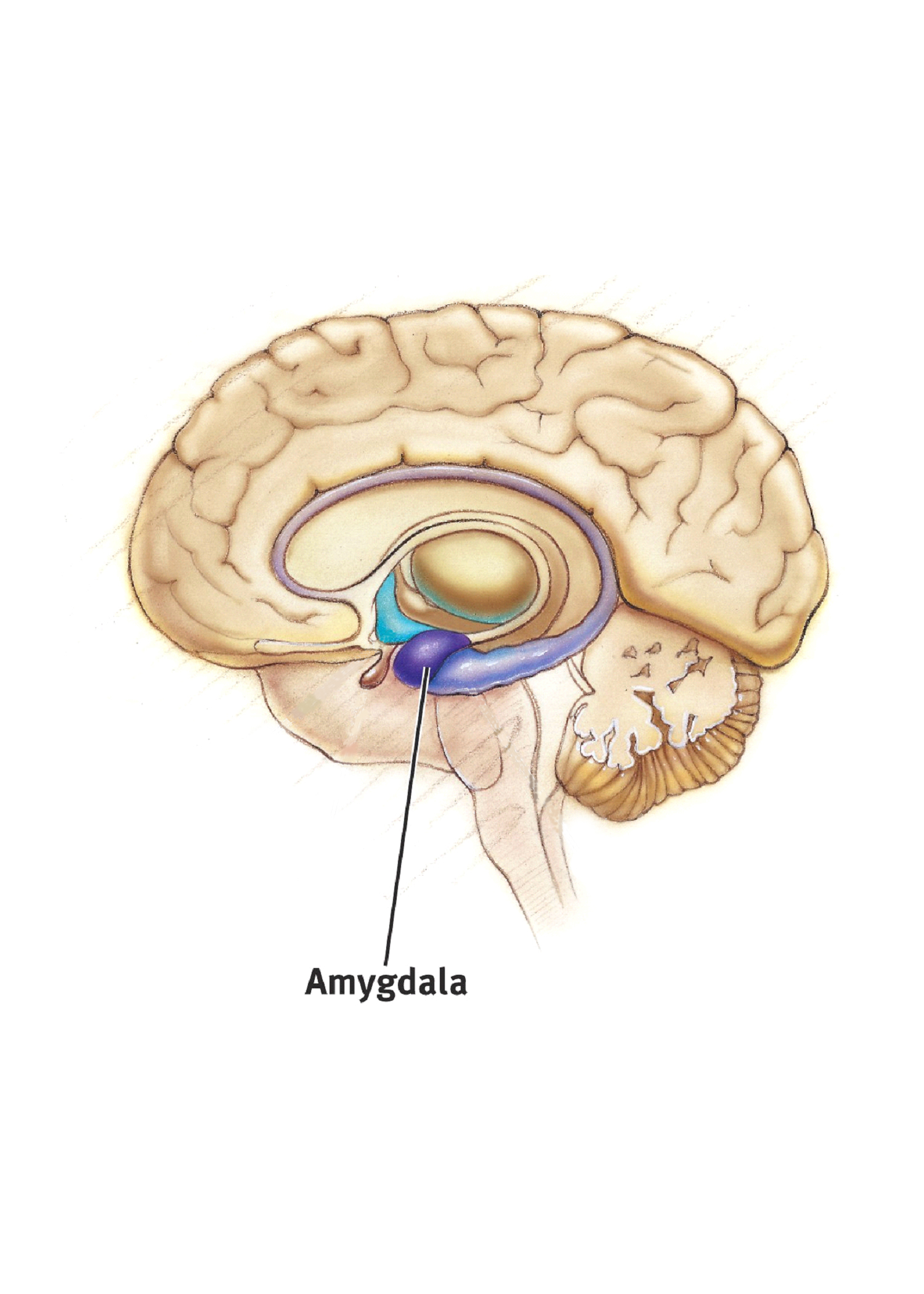
- Amygdala [ah-MIG-dah-la] two almond-shaped neural clusters linked to
emotion of fear and anger.
|
|
80
|
- Hypothalamus lies below (hypo) the thalamus; directs several maintenance
activities like eating, drinking, body temperature, and emotions. Helps
govern the endocrine system via the pituitary gland.
|
|
81
|
- The intricate fabric of interconnected neural cells that covers the
cerebral hemispheres. The body’s ultimate control and information
processing center.
|
|
82
|
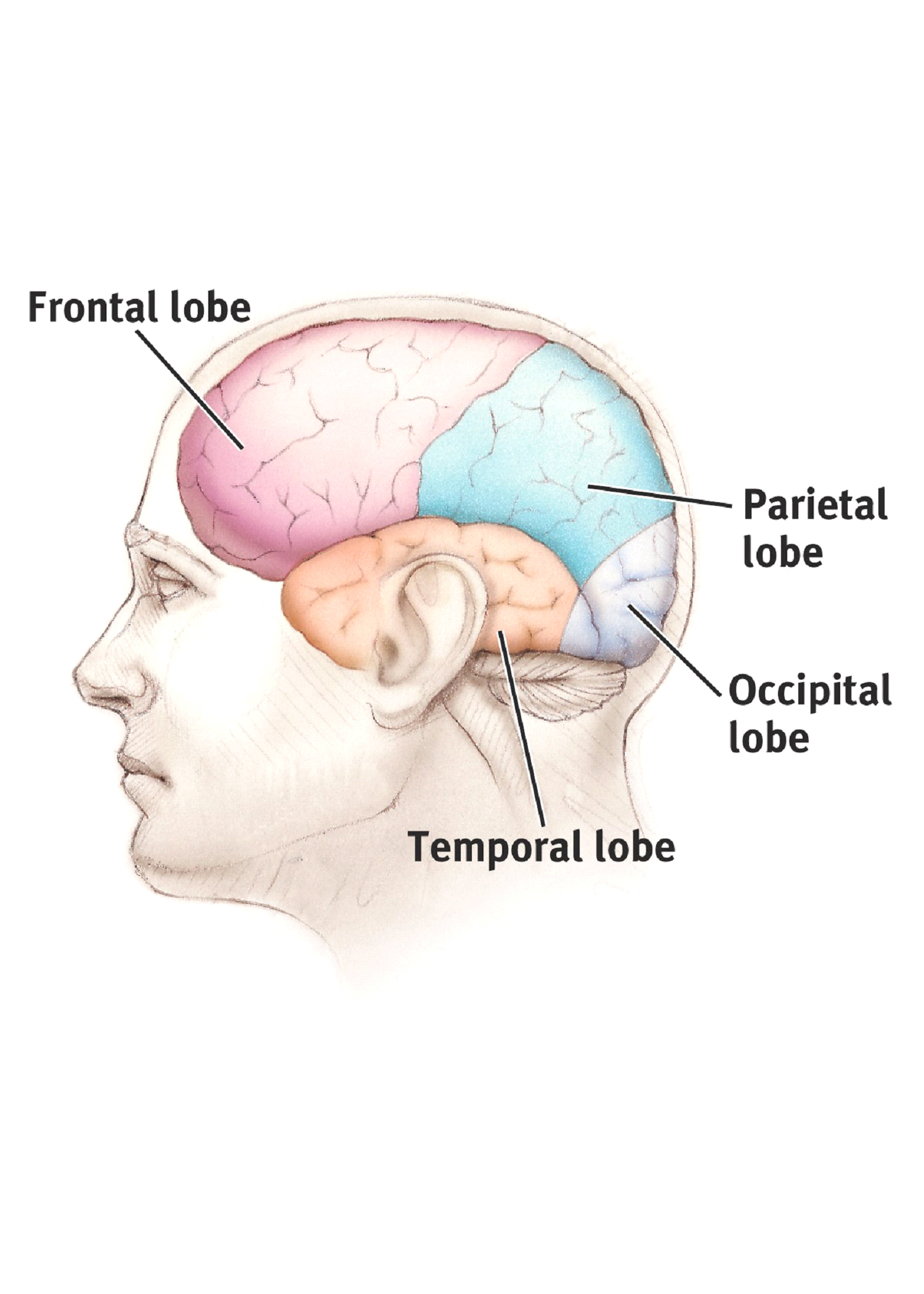
- Each brain hemisphere is divided into four lobes, separated by prominent
fissures. They are frontal lobes (forehead), parietal lobes (top to rear
head), occipital lobes (back head) and temporal lobes (side of head).
|
|
83
|
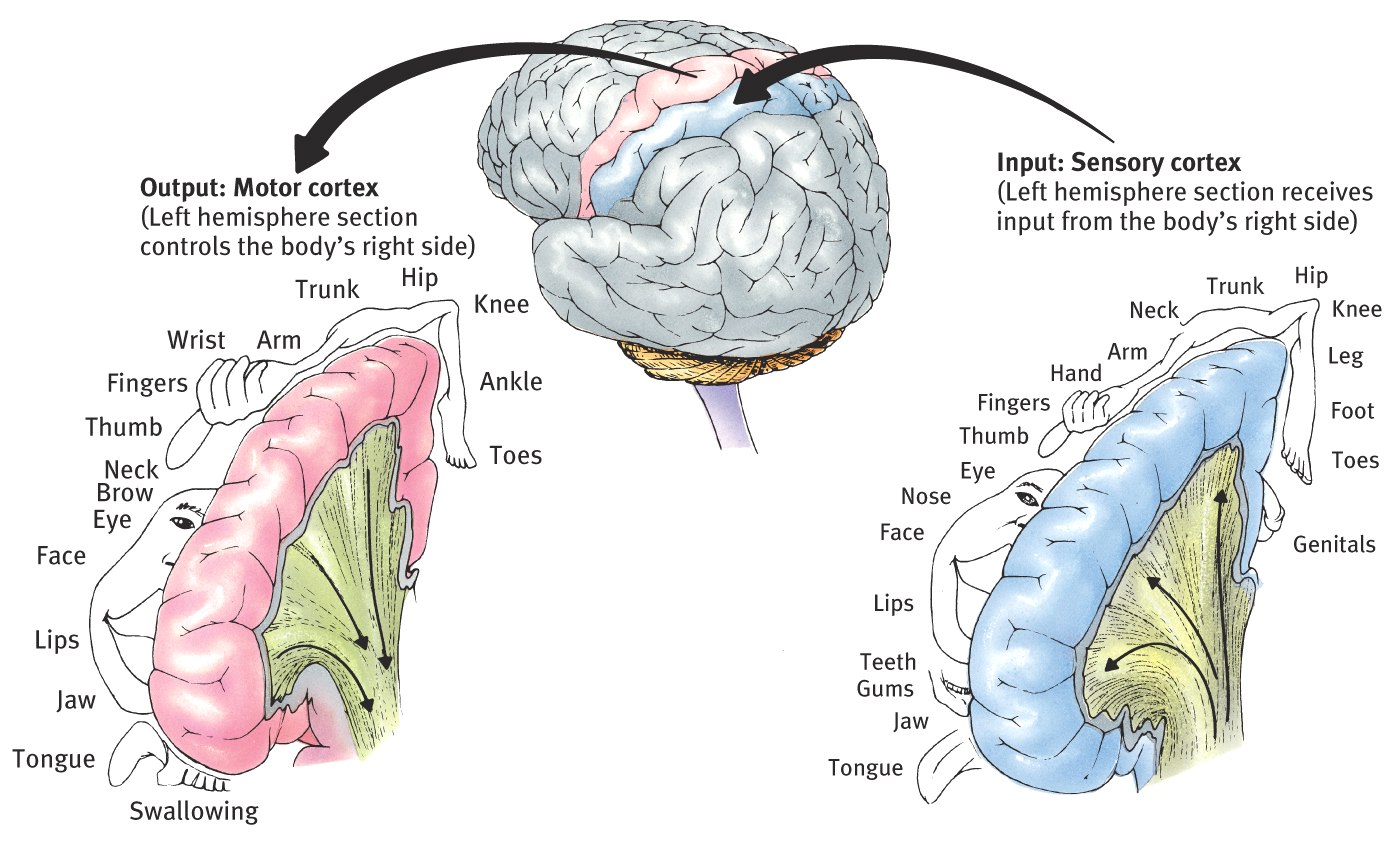
- Motor Cortex area at the rear of the frontal lobes controls voluntary
movements. Sensory Cortex (parietal cortex) receives information from
skin surface and sense organs.
|
|
84
|
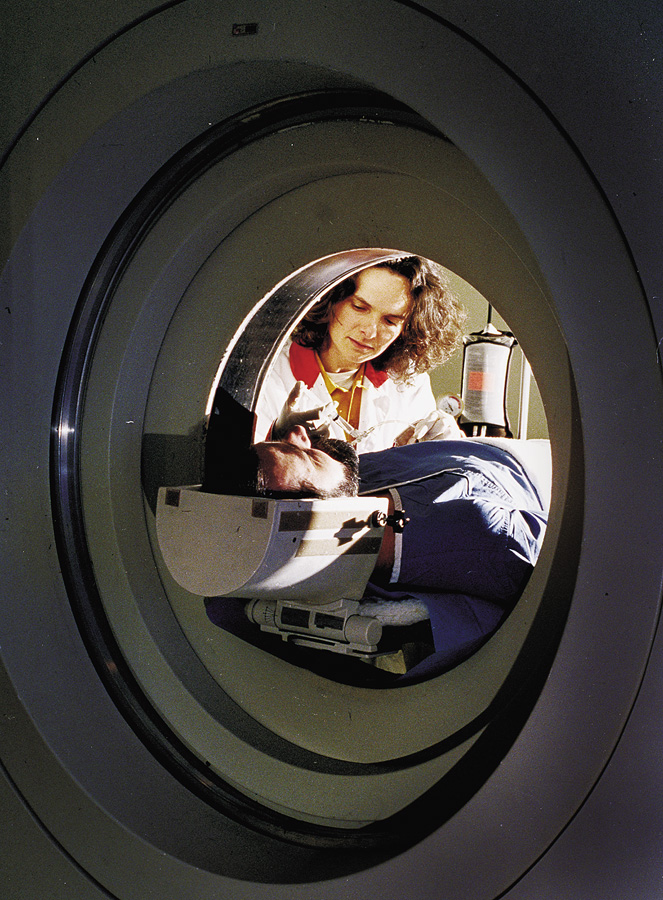
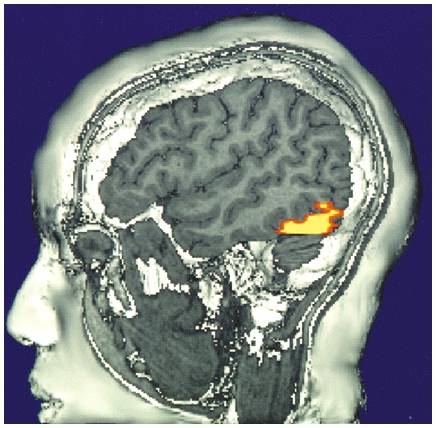
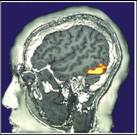
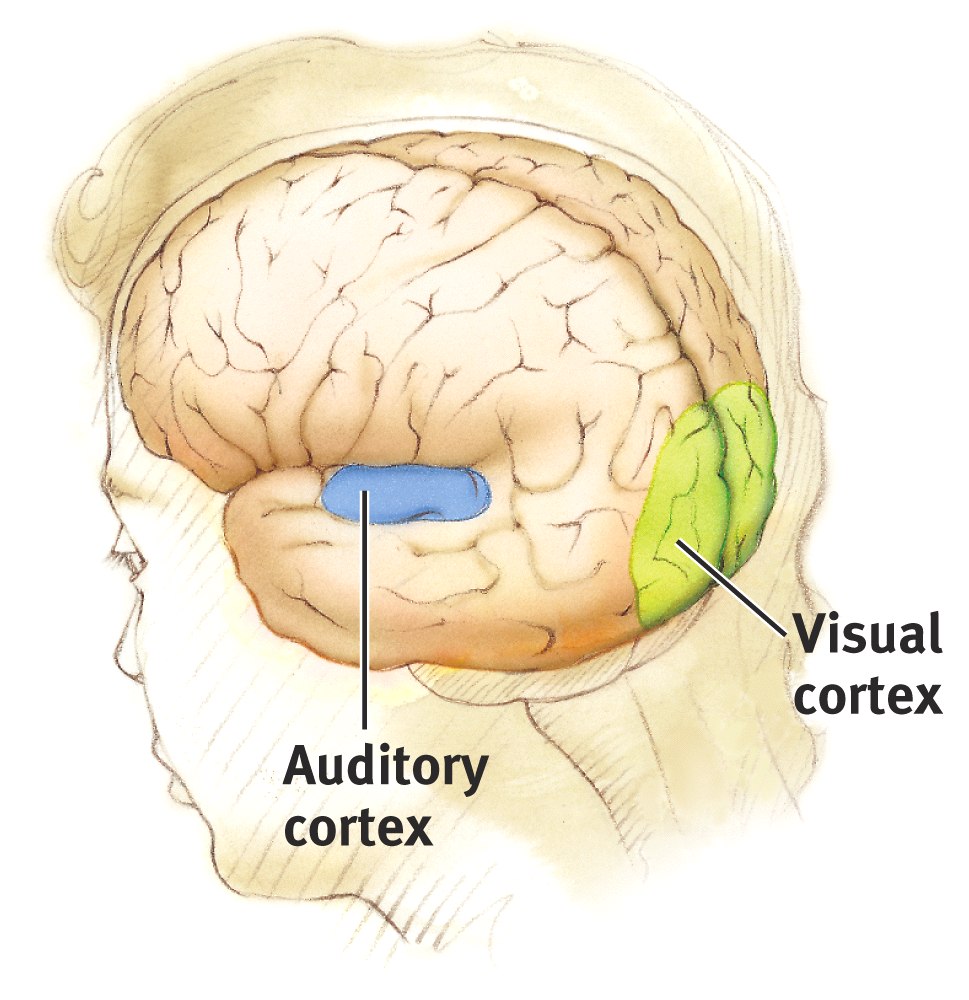
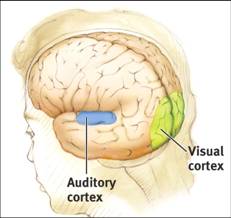
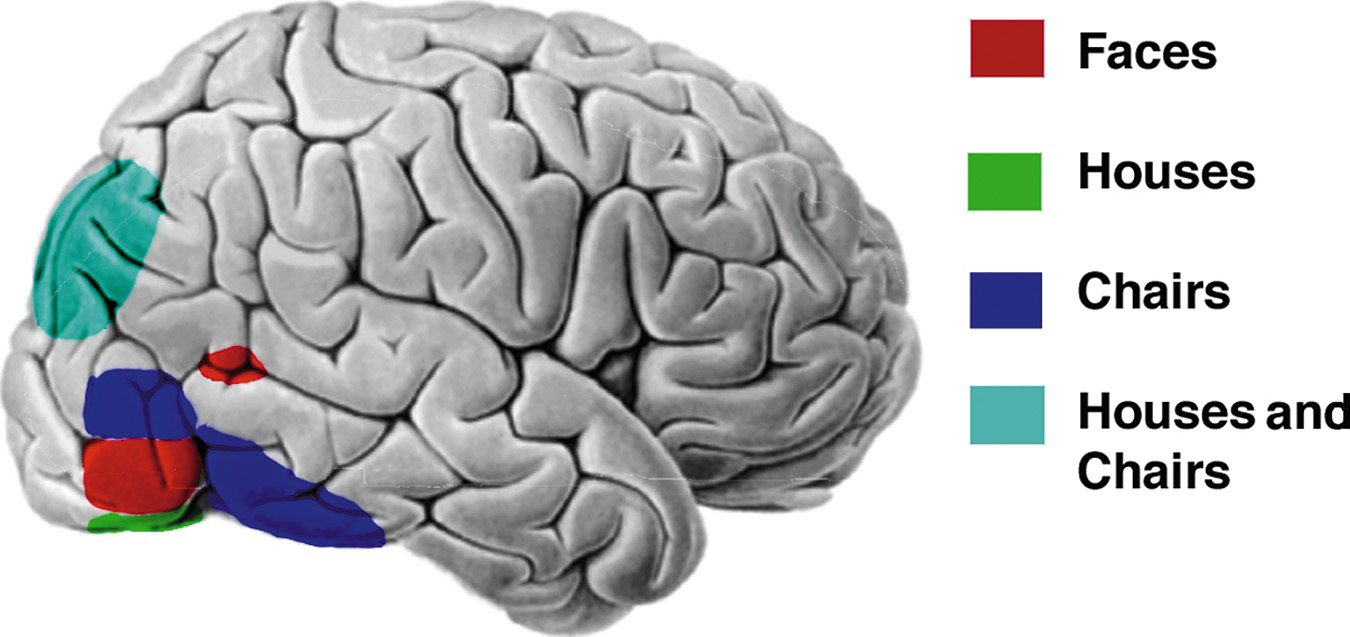
- Functional MRI scan shows the visual cortex activates as the subject
looks at faces.
|
|
85
|
- Functional MRI scan shows the auditory cortex is activated in patients
who hallucinate (hear voices).
|
|
86
|
|
|
87
|
- Brain is sculpted by our genes but also by our experiences.
- Plasticity refers to the brain’s ability to modify itself after some
type of injury or illness.
|
|
88
|
- Our brain is divided into two hemispheres.
- Left hemisphere processes reading, writing, speaking, mathematical,
comprehension skills, and thus termed as the dominant brain in the
1960s.
- The right hemisphere is specialized for visual-spatial skills and
creativity.
|
|
89
|
|
|
90
|
|
|
91
|
|
|
92
|
|
|
93
|
|
|
94
|
|
|
95
|
|
|
96
|
|
|
97
|
|
|
98
|
|
|
99
|
|
|
100
|
|
|
101
|
|
|
102
|
|
|
103
|
|
|
104
|
|
|
105
|
|
|
106
|
|
|
107
|
|
|
108
|
|
|
109
|
|
|
110
|
|
|
111
|
|
|
112
|
|
|
113
|
|
|
114
|
|
|
115
|
|
|
116
|
|
|
117
|
|
|
118
|
|
|
119
|
|
|
120
|
|
|
121
|
|
|
122
|
|
|
123
|
|
|
124
|
|
|
125
|
|
|
126
|
|
|
127
|
|
|
128
|
|
|
129
|
- How do we construct our representations of the external world?
- To represent the world, we must detect physical energy (stimulus) from
the environment and convert it into neural signals, a process called sensation.
- When we select, organize, and interpret our sensations, the process is
called perception.
|
|
130
|
- Analysis of the stimulus begins with the sense receptors and works up to
the level of the brain and mind.
|
|
131
|
- Information processing guided by higher-level mental processes as we
construct perceptions drawing on our experience and expectations.
|
|
132
|
- Absolute Threshold: Minimum stimulation needed to detect a particular
stimulus 50% of the time.
|
|
133
|
- When stimuli are below one’s absolute threshold for conscious awareness.
|
|
134
|
- Difference Threshold: Minimum difference between two stimuli required
for detection 50% of the time, also called just noticeable difference
(JND).
|
|
135
|
|
|
136
|
- Diminished sensitivity as a consequence of constant stimulation.
|
|
137
|
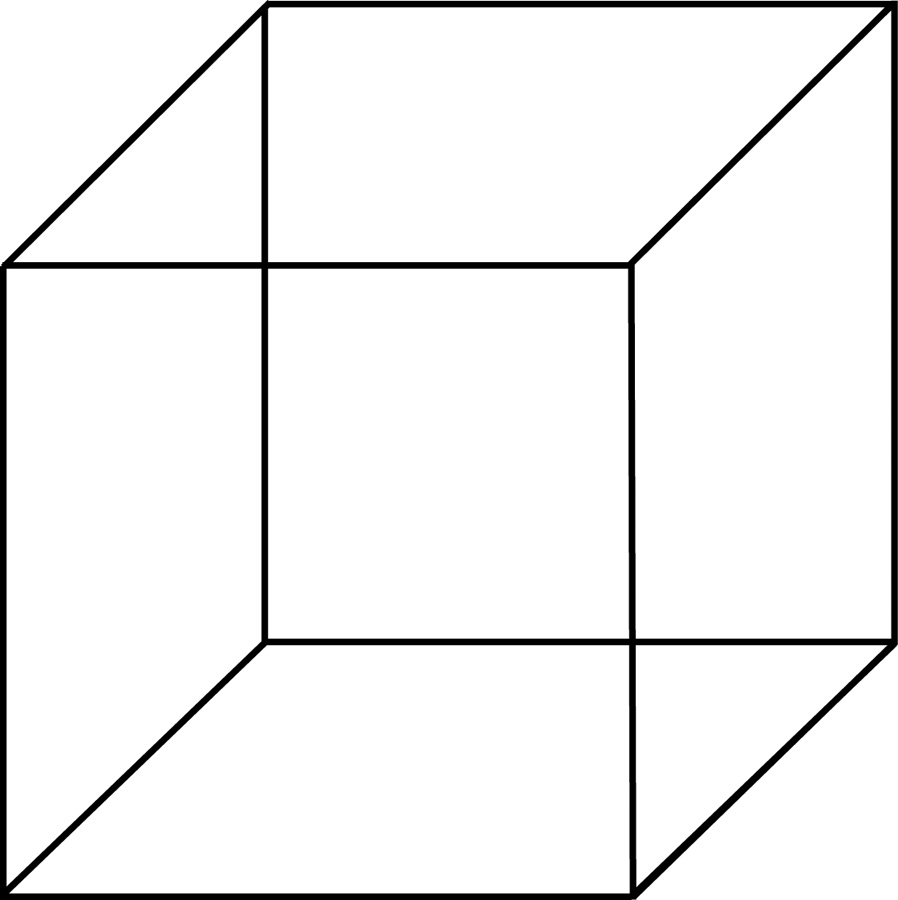
- Perceptions about objects change from moment to moment. Different forms
of Necker cube become available to our perception, however, one can pay
attention only to one aspect of the object.
|
|
138
|
- Inattentional blindness refers to inability to see a an object or a
person amidst an engrossing scene. Simmons & Chabris (1999) showed
that half of the observers failed to see the gorilla-suited assistant in
a ball passing game.
|
|
139
|
- Change blindness is a form of inattentional blindness, where two-thirds
of direction giving individuals failed to notice a change in the
individual who was asking for directions.
|
|
140
|
|
|
141
|
- In sensation, transformation of stimulus energy into neural impulses.
- Phototransduction: Conversion of light energy into neural impulses that
the brain can understand.
|
|
142
|
|
|
143
|
- Wavelength (hue/color)
- Intensity (brightness)
- Saturation (purity)
|
|
144
|
- Hue (color): dimension of color determined by wavelength of light.
- Wavelength the distance from the peak of one wave to the peak of the
next.
|
|
145
|
|
|
146
|
- Intensity Amount of energy in a wave determined by amplitude; related to
perceived brightness.
|
|
147
|
|
|
148
|
- Cornea: Transparent tissue where light enters the eye.
- Iris: Muscle that expands and contracts to change the size of opening
(pupil) for light.
- Lens: Focuses the light rays on the retina.
- Retina: Contains sensory receptors that process visual information and
send it to the brain.
|
|
149
|
- Lens: Transparent structure
behind pupil that changes shape to focus images on the retina.
- Accommodation: The process by which the eye’s lens changes shape to help
focus near or far objects on the retina.
|
|
150
|
- Retina: The light-sensitive inner surface of the eye, containing
receptor rods and cones plus layers of other neurons (bipolar, ganglion
cells) that process visual information.
|
|
151
|
|
|
152
|
|
|
153
|
|
|
154
|
|
|
155
|
|
|
156
|
|
|
157
|
- Processing of several aspects of the stimulus simultaneously is called parallel
processing. The brain divides a visual scene into subdivisions such as
color, depth, form and movement etc.
|
|
158
|
- Trichromatic theory: Based on
behavioral experiments, Helmholtz suggested that retina should contain
three receptors sensitive to red, blue and green colors.
|
|
159
|
- If three primary colors (lights) are mixed the wavelengths are added and
they result in white color.
|
|
160
|
|
|
161
|
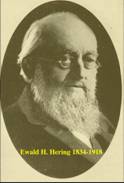
- Hering, proposed that we process four primary colors opposed in pairs of
red-green, blue-yellow, and black-white.
|
|
162
|
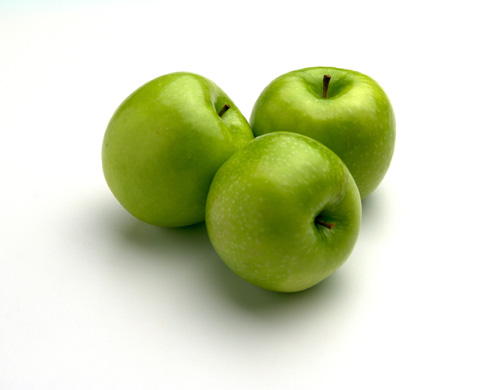
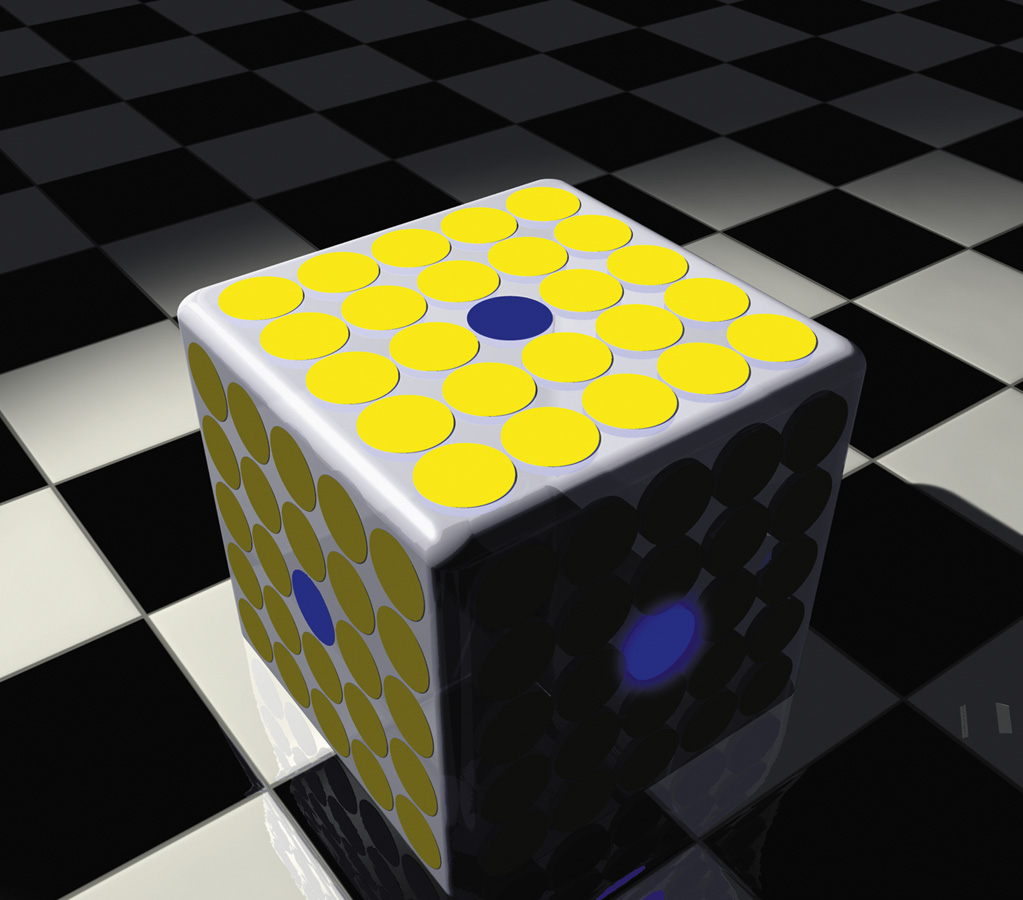
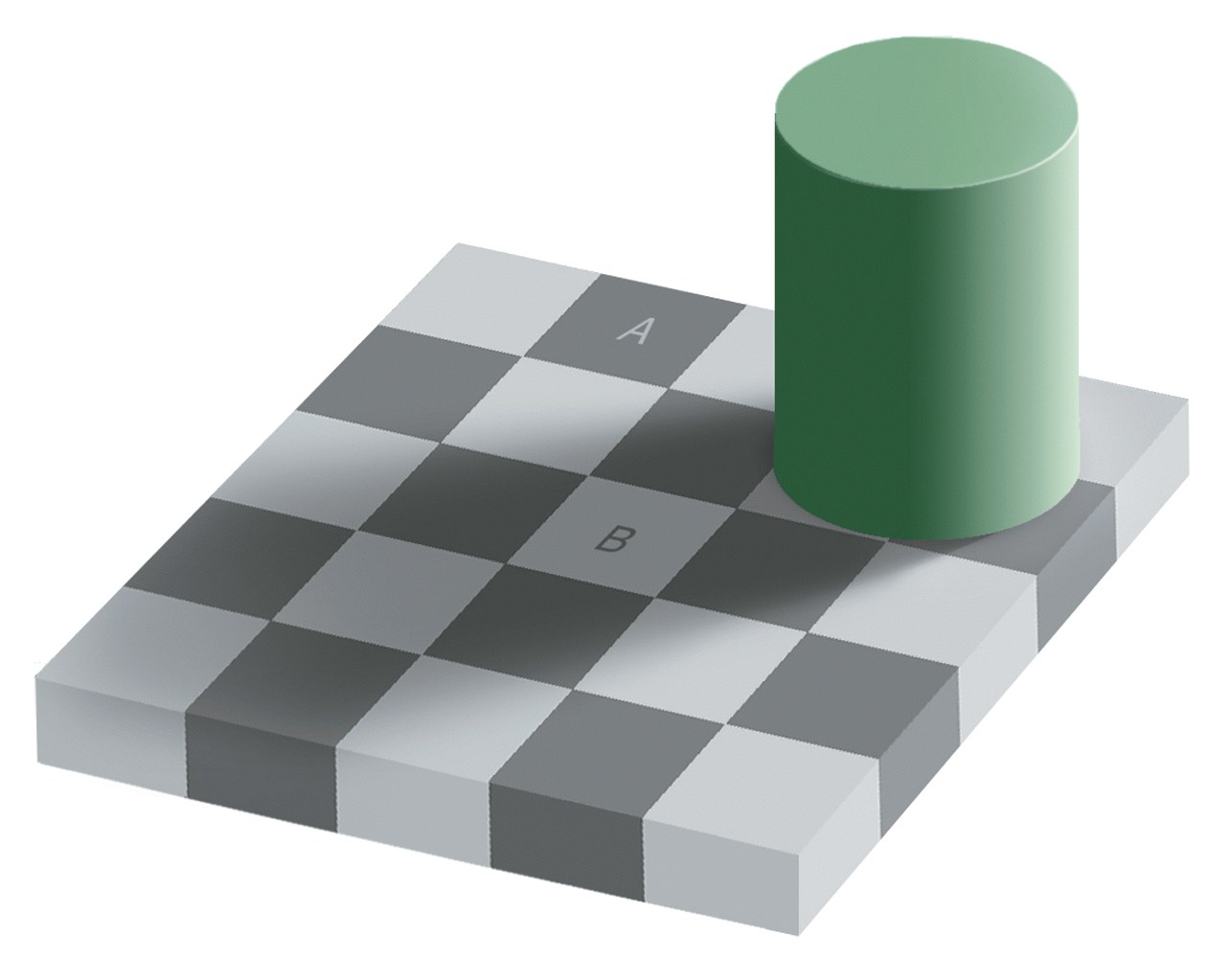
- Color of an object remains the same under different illuminations.
However, when context changes color of an object may look different.
|
|
163
|
|
|
164
|
- Sound waves are composed of compression and rarefaction of air
molecules.
|
|
165
|
- Frequency (pitch)
- Intensity (loudness)
- Quality (timbre)
|
|
166
|
- Frequency (pitch): Dimension of frequency determined by wavelength of
sound.
- Wavelength: The distance from the peak of one wave to the peak of the
next.
|
|
167
|
- Intensity (Loudness): Amount of energy in a wave determined by amplitude
- relates to perceived loudness.
|
|
168
|
|
|
169
|
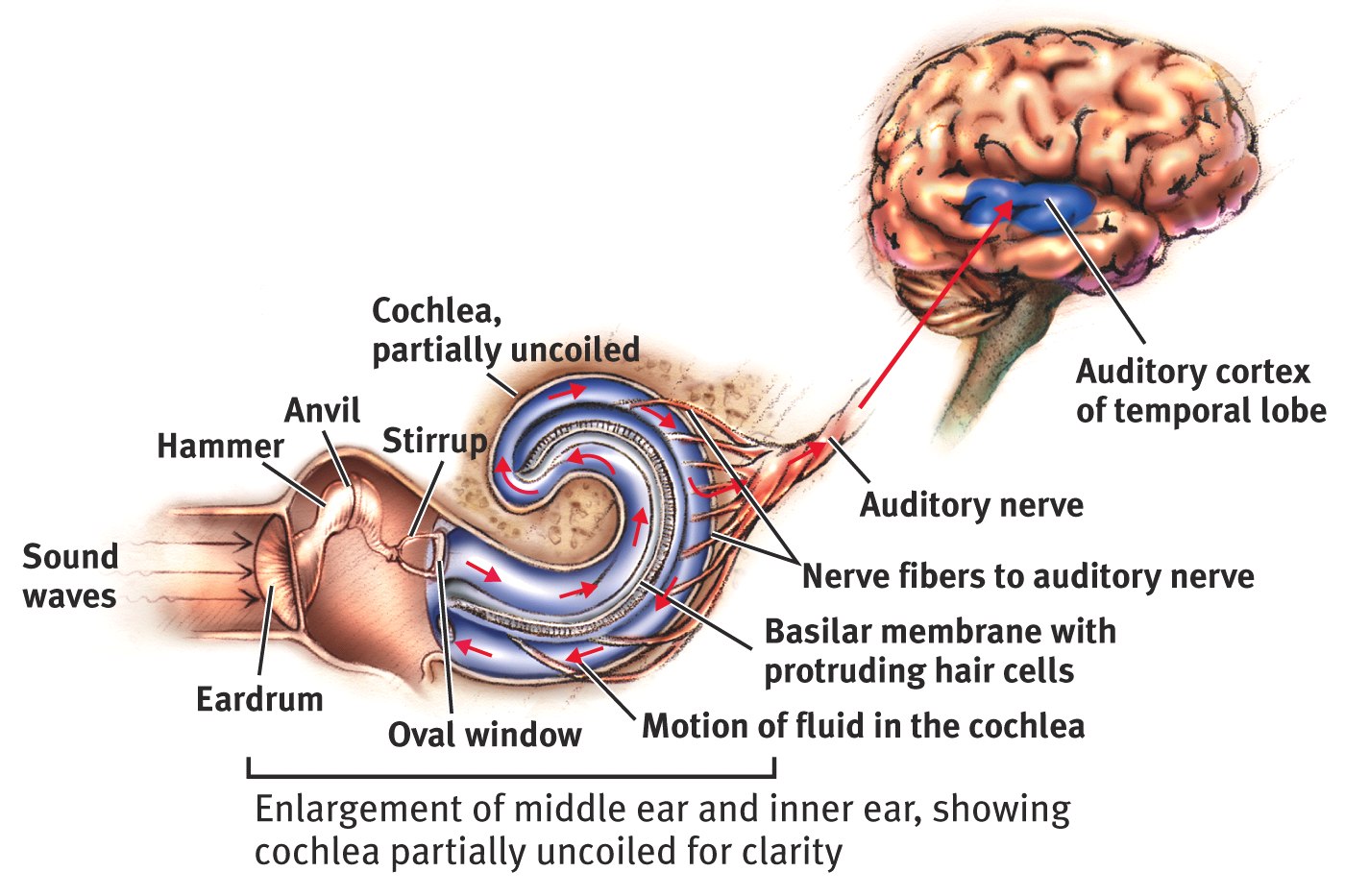
- Outer Ear: Pinna. Collects sounds.
- Middle Ear: Chamber between eardrum and cochlea containing three tiny
bones (hammer, anvil, stirrup) that concentrate the vibrations of the
eardrum on the cochlea’s oval window.
- Inner Ear: Innermost part of the ear, containing the cochlea,
semicircular canals, and vestibular sacs.
|
|
170
|
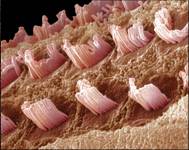
- Cochlea: Coiled, bony,
fluid-filled tube in the inner ear that transduces sound vibrations to
auditory signals.
|
|
171
|
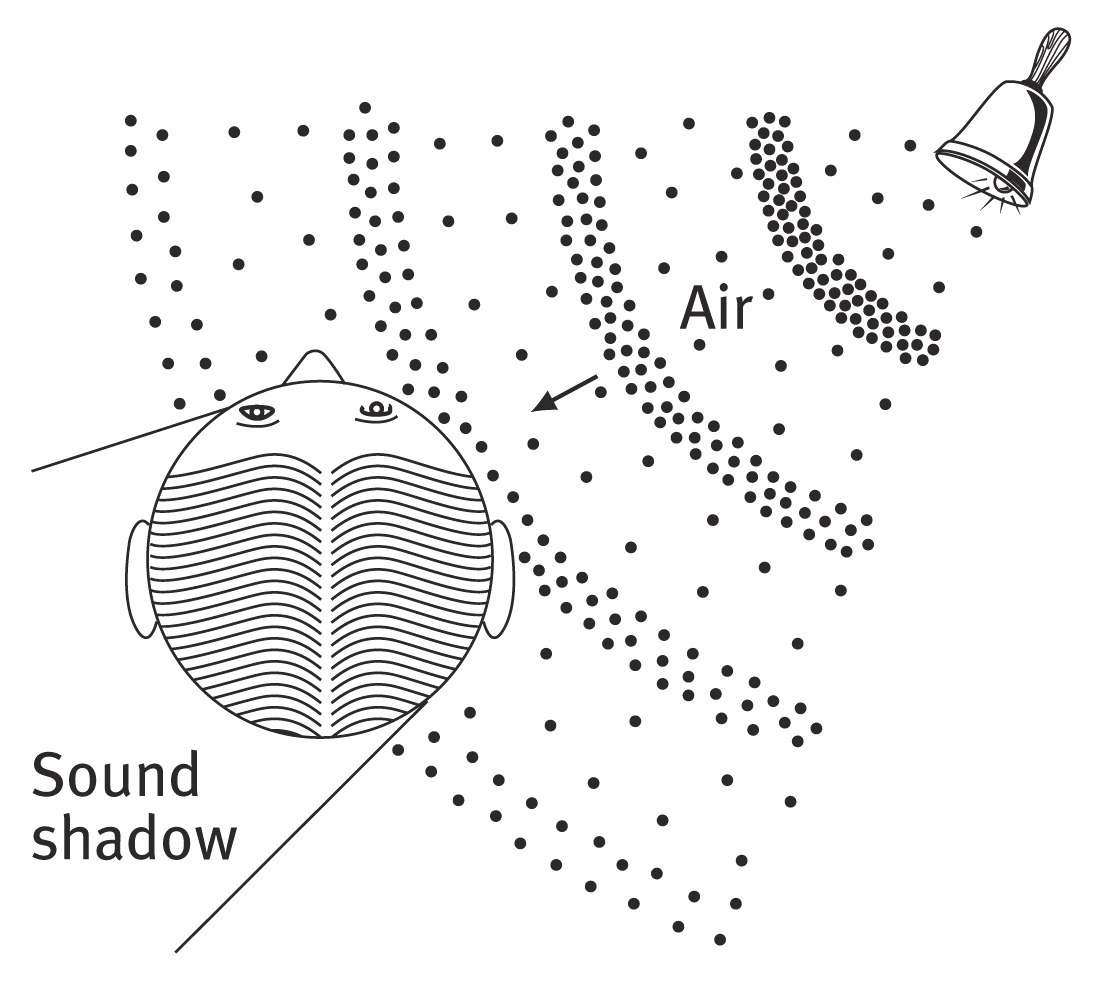
- Because we have two ears sounds that reach one ear faster than the other
makes us localize the sound.
|
|
172
|
- 1. Intensity differences
- 2. Time differences
- Time differences as small as 1/100,000 of a second can lead to localize
sound. Head acts as “shadow” or partial sound barrier.
|
|
173
|
|
|
174
|
- When vision competes with other senses vision usually wins – a
phenomenon called visual capture.
- How do we form meaningful perceptions from sensory information?
- We organize it. Gestalt psychologists showed that a figure formed a
“whole” different than its surroundings.
|
|
175
|
- Organization of the visual field into objects (figures) that stand out
from their surroundings (ground).
|
|
176
|
|
|
177
|
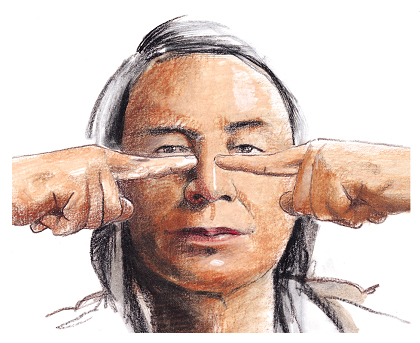
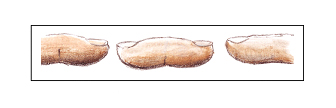
- Retinal disparity: Images from the two eyes differ. Try looking at your
two fingers half an inch apart about 5 inches away. You will see a
“finger sausage” as shown in the inset.
|
|
178
|
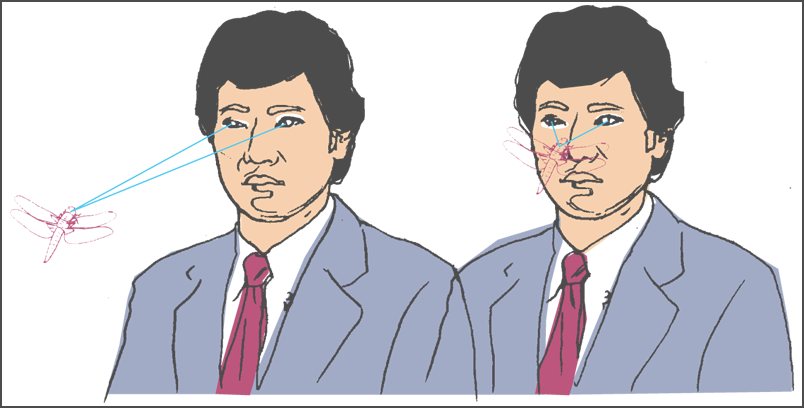
- Convergence: Neuromuscular cues. When two eyes move inward (towards the
nose) to see near objects, and outward (away from the nose) to see far
away objects.
|
|
179
|
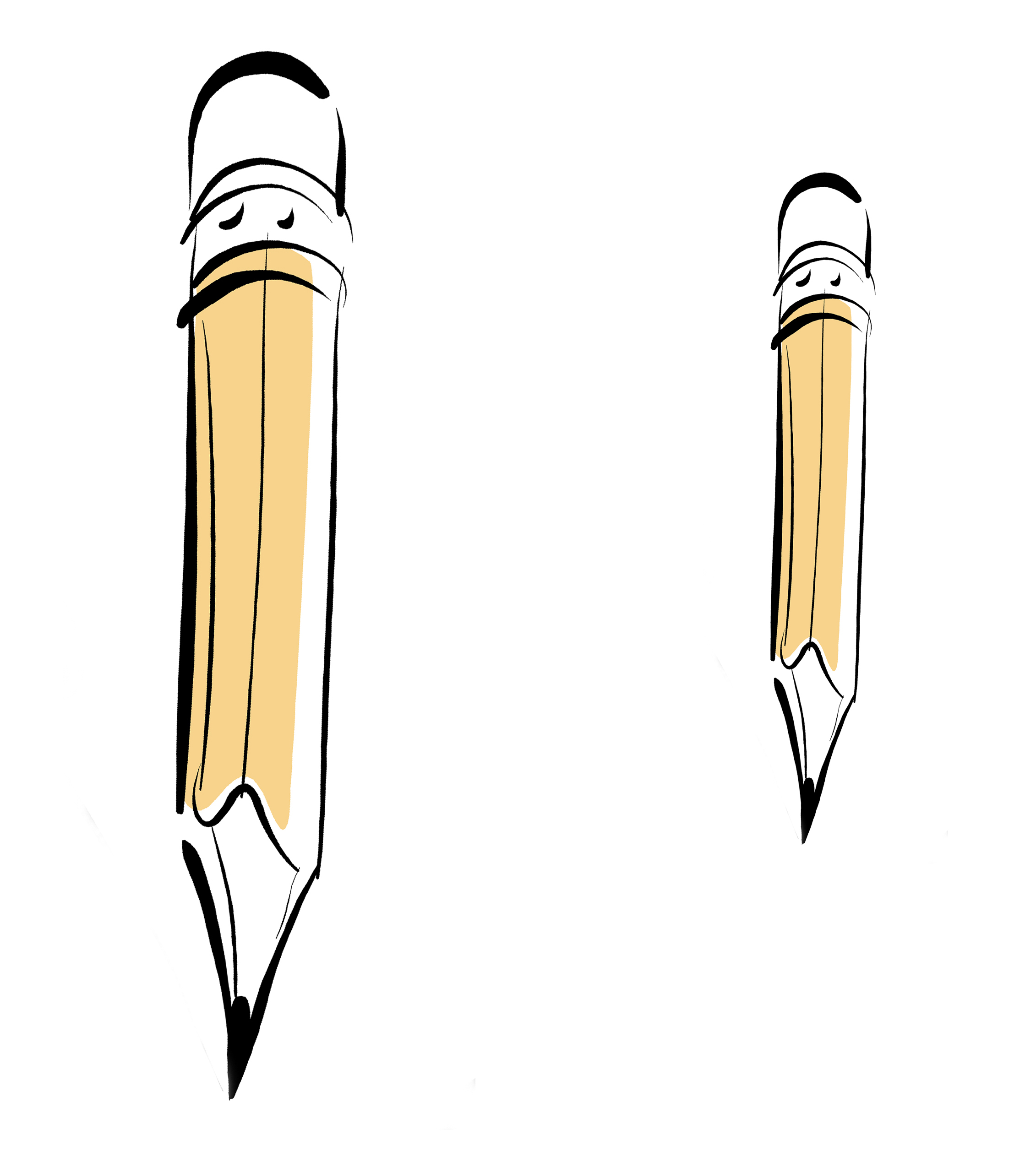
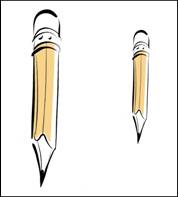
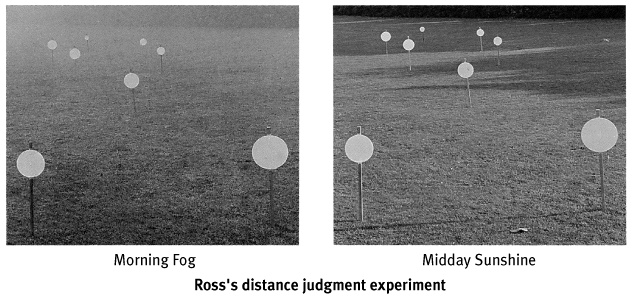
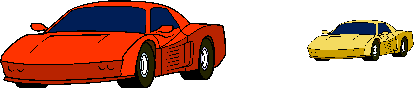
- Relative Size: If two objects are similar in size, we perceive one that
casts a smaller retinal image as farther away.
|
|
180
|
- Interposition: Objects that occlude (block) other objects tend to be
perceived as closer.
|
|
181
|
|
|
182
|
- Texture Gradient: Indistinct (fine) texture signals increasing distance.
|
|
183
|
- Relative Height: We perceive objects higher in our field of vision as
farther away.
|
|
184
|
- Relative motion: Objects closer to a fixation point move faster and in
opposing direction to objects farther away from a fixation point, which
move slower and in the same direction.
|
|
185
|
- Linear Perspective: Parallel lines like railroad tracks, appear to
converge with distance. The more the lines converge, the greater their
perceived distance.
|
|
186
|
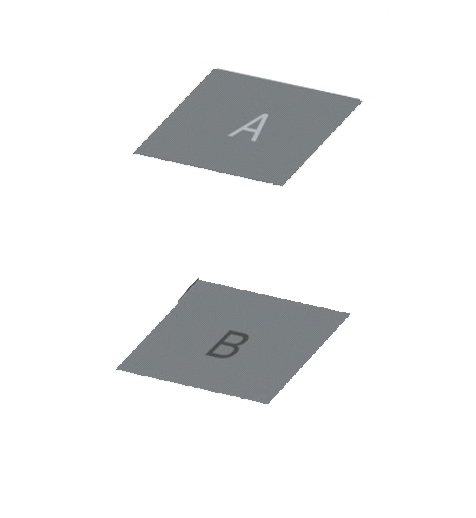
- Light and Shadow: Nearby objects reflect more light to our eyes. Given
two identical objects, the dimmer one seems further away.
|
|
187
|
- Perceiving objects as unchanging even as illumination and retinal image
change. Perceptual constancies include constancies of shape and size.
|
|
188
|
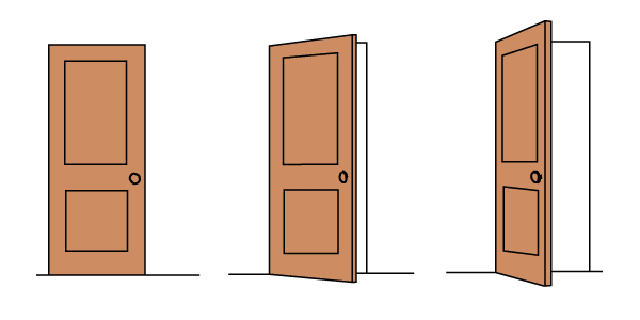
- Stable size perception amid changing size of the stimuli.
|
|
189
|
|
|
190
|
- Perceiving familiar objects as having consistent color, even if changing
illumination filters the light reflected by the object.
|
|
191
|
|
|
192
|
|
|
193
|
|
|
194
|
- Perception without sensory input is called extrasensory perception
(ESP). A large percentage of scientists do not believe in ESP.
|
|
195
|
- Paranormal phenomena include claims of astrological predictions, psychic
healing, communication with the dead and out-of-body experience, but the
most relevant are telepathy, clairvoyance and precognition.
|
|
196
|
- Telepathy: Mind-to mind communication. One person sending thoughts and
the other receiving it.
- Clairvoyance: Perception of remote events. Like sensing a friend’s house
on fire.
- Precognition: Perceiving future events. Such as a political leader’s
death.
|
|
197
|
- Can psychics see the future? Can psychics aid police in identifying
locations of dead bodies? What about psychic predictions of the famous
Nostradamus?
- The answers to these questions are NO! Nostradamus’ predictions are
“retrofitted” to events that took place afterwards.
|
|
198
|
- In an experiment with 28,000 individuals, Wiseman tested psychically
influencing or predicting a coin toss. People were able to correctly
influence or predict a coin toss 49.8% of the time.
|
|
199
|
|
|
200
|
- Learning is a relatively permanent change in an organism’s behavior due
to experience.
- Learning thus is more flexible, unlike genetically programmed behaviors
of say, Chinooks.
|
|
201
|
|
|
202
|
|
|
203
|
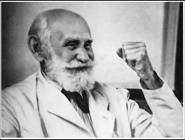
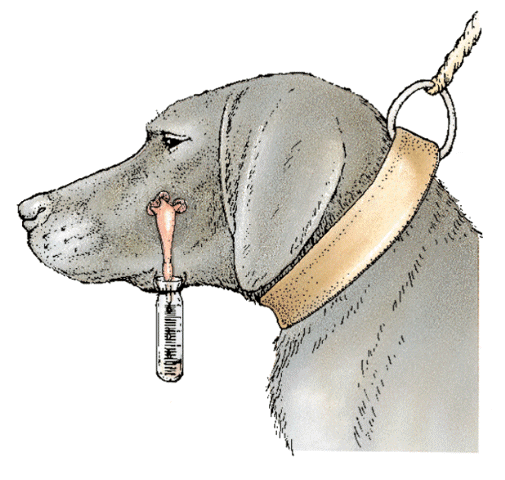
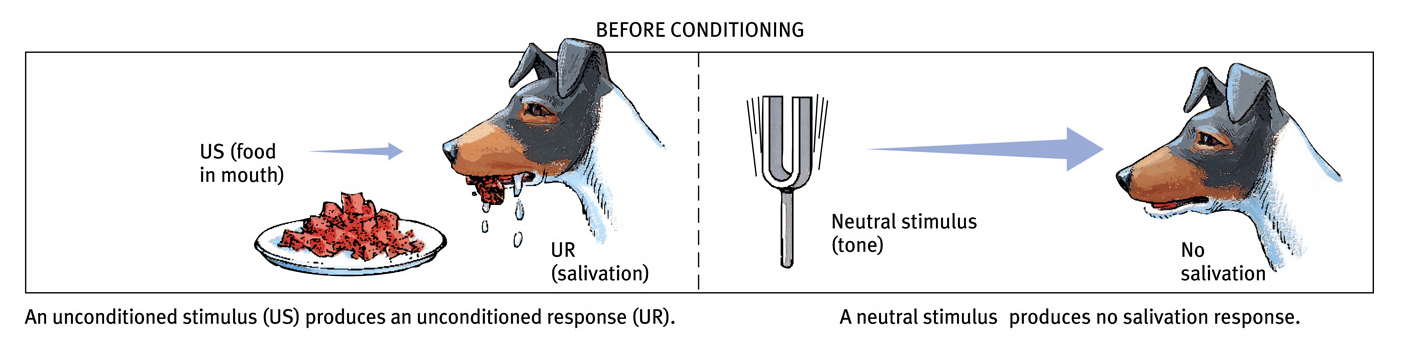
- Ideas a of classical conditioning originate from old philosophical
theories, however it was a Russian physiologist Ivan Pavlov who
elucidated classical conditioning. His work became seminal for later
behaviorists like John Watson and B. F. Skinner.
|
|
204
|
|
|
205
|
|
|
206
|
- The initial stage in classical conditioning. during which association
between a neutral stimulus and a US takes place.
|
|
207
|
- When a US (food) does not follow a CS (tone) CR (salivation) starts to
decrease and at some point goes extinct.
|
|
208
|
- After a rest period an extinguished CR (salivation) spontaneously
recovers and if CS (tone) persists alone becomes extinct again.
|
|
209
|
- Tendency to respond to stimuli similar to CS is called generalization.
Pavlov conditioned the dog’s salivation (CR) by using miniature
vibrators (CS) to the thigh. When he subsequently stimulated other parts
of the dog’s body, salivation dropped.
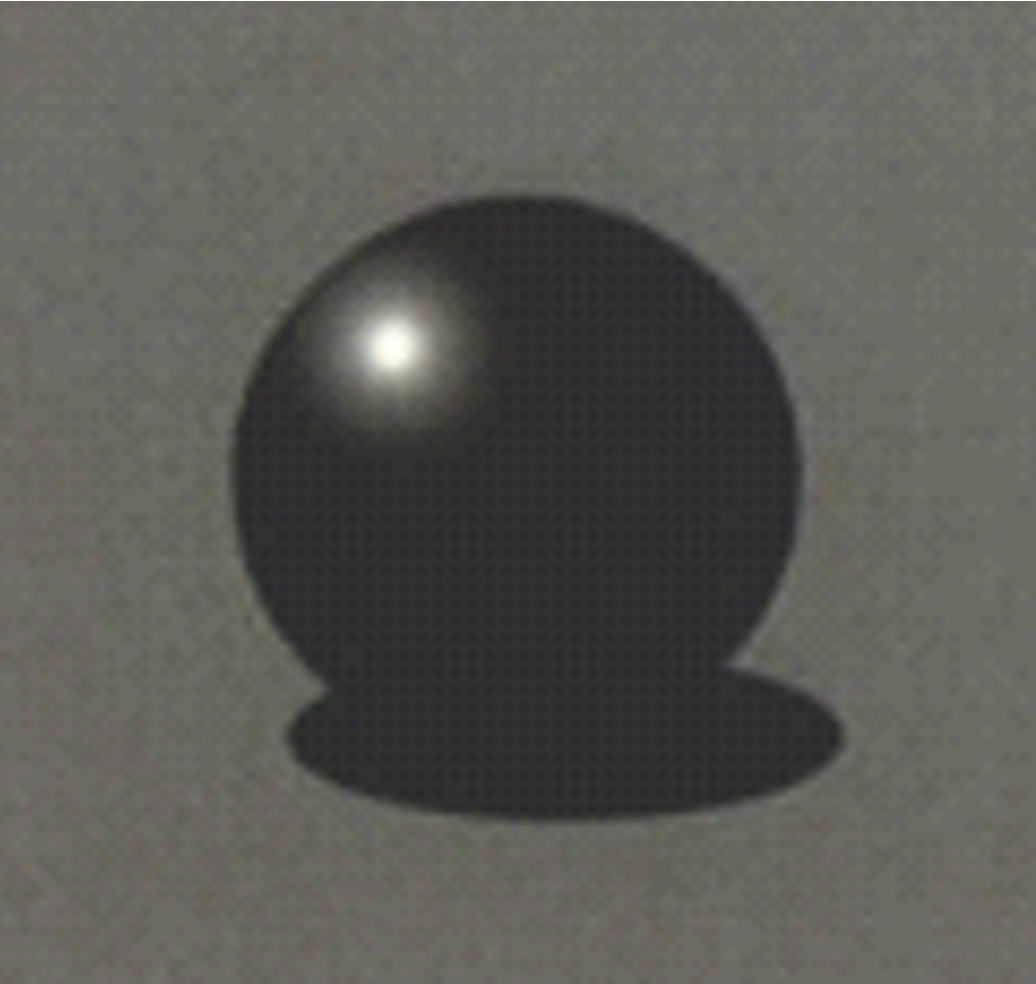
|
|
210
|
- Discrimination is the learned ability to distinguish between a CS and
other stimuli that do not signal a US.
|
|
211
|
|
|
212
|
- Skinner’s experiments extend Thorndike’s thinking especially his law of
effect which states that rewarded behavior is likely to recur.
|
|
213
|
- Using Thorndike's law of effect as a starting point Skinner developed
the Operant chamber or the Skinner box to study operant conditioning.
|
|
214
|
- Operant conditioning procedure in which reinforcers guide behavior
closer towards target behavior through successive approximations.
|
|
215
|
- Any event that strengthens the behavior it follows. A heat lamp
positively reinforces a meerkat’s behavior in cold.
|
|
216
|
- Primary Reinforcer: Innately reinforcing stimulus like food or drink.
- Conditioned Reinforcer: Is a learned reinforcer. It gets its reinforcing
power through its association with primary reinforcer.
|
|
217
|
- Immediate Reinforcer: A reinforcer that occurs closely to a behavior in
time. Rat gets a food pellet for a bar press.
- Delayed Reinforcer: A reinforcer that is delayed in time for a certain
behavior. A paycheck that comes at the end of a week.
|
|
218
|
- Continuous Reinforcement: Reinforcing the desired response each time it
occurs.
- Partial Reinforcement: Reinforcing a response only part of the time.
Though results in slower acquisition in the beginning, shows greater
resistance to extinction later on. Partial reinforcements can be.
|
|
219
|
- Fixed-ratio schedule: Reinforces a response only after a specified
number of responses e.g., like piecework pay.
- Variable-ratio schedule: Reinforces a response after an unpredictable
number of responses. Hard to extinguish because of unpredictability,
e.g., behaviors like gambling, fishing.
|
|
220
|
- Fixed-interval schedule: Reinforces a response only after a specified
time has elapsed e.g., preparing for an exam only when the exam draws
close.
- Variable-interval schedule: Reinforces a response at unpredictable time
intervals. produces slow steady responding, e.g., like pop quiz.
|
|
221
|
- An aversive event that decreases the behavior that it follows.
|
|
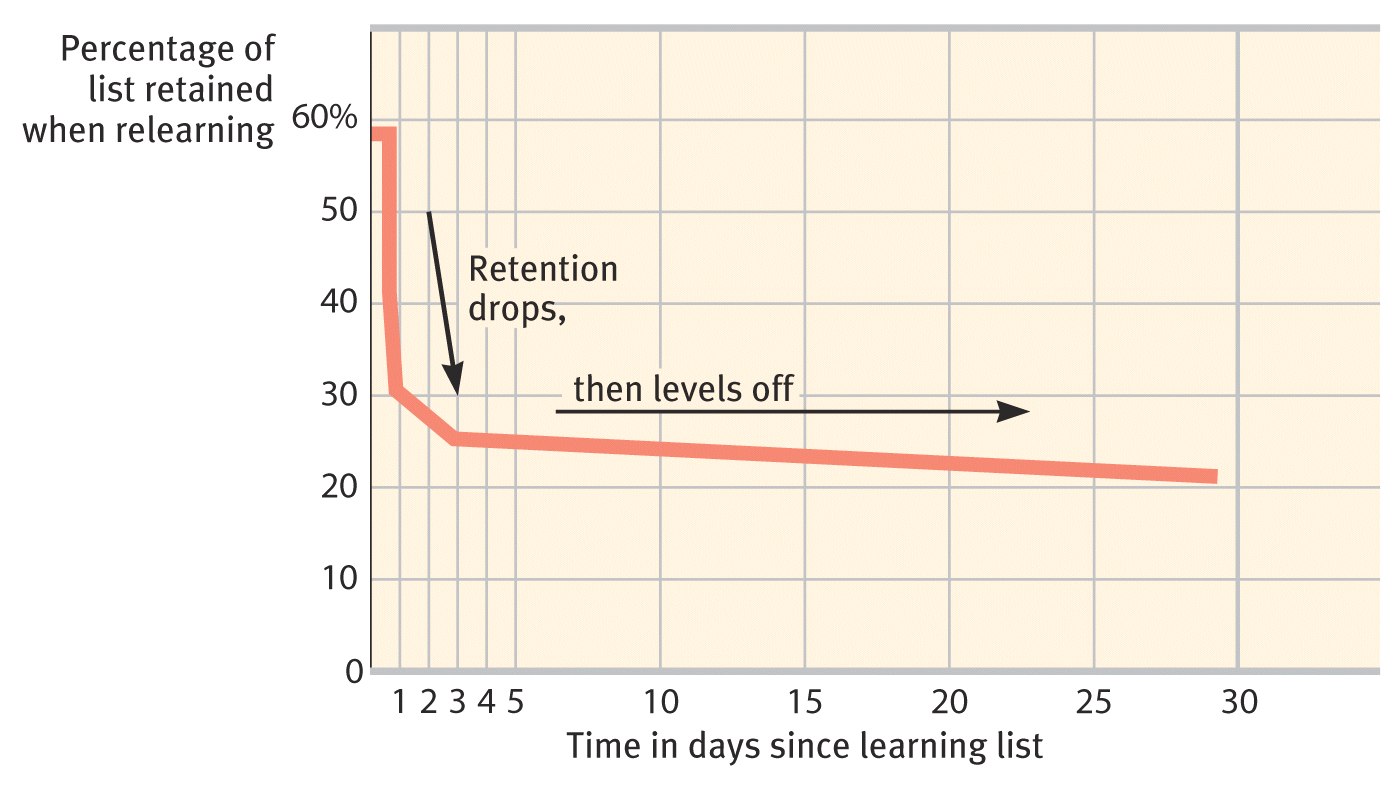
222
|
- Punishment can result in unwanted fears.
- Conveys no information to the organism.
- Justifies pain to others.
- Unwanted behaviors reappear in its absence.
- Aggression towards the agent.
- One unwanted behavior appears in place of another.
|
|
223
|
- Intrinsic Motivation: The desire to perform a behavior for its own sake.
- Extrinsic Motivation: The desire to perform a behavior due to promised
rewards or threats of punishments.
|
|
224
|
|
|
225
|
- Higher animals especially humans learn through observing and imitating
others.
- Monkey on the right imitates monkey on the left in touching the pictures
in a certain order to get reward.
|
|
226
|
- Learning by observation comes about early in life. This 14 month old
child imitates the adult on TV in pulling a toy apart.
|
|
227
|
- Bandura's Bobo doll study (1961) indicated that individuals (children)
learn through imitating others who receive reward and punishments.
|
|
228
|
- Bad news from Bandura’s studies is that antisocial models (family,
neighborhood or TV) may have antisocial effects.
|
|
229
|
- The good news is that prosocial (positive, helpful) models can have
prosocial effects.
|
|
230
|
- Gentile et al., (2004) showed that elementary school going children who
were exposed to violent television, videos and video games expressed
increased aggression.
|
|
231
|
|
|
232
|
- Memory is any indication that learning has persisted over time. It is
our ability to store and retrieve information.
|
|
233
|
- An unique and highly emotional moment can give rise to clear, strong,
and persistent memory called flashbulb memory. Though this memory is not
free from errors.
|
|
234
|
|
|
235
|
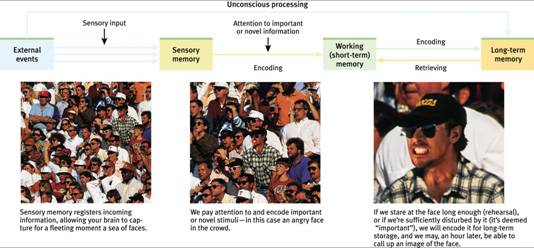
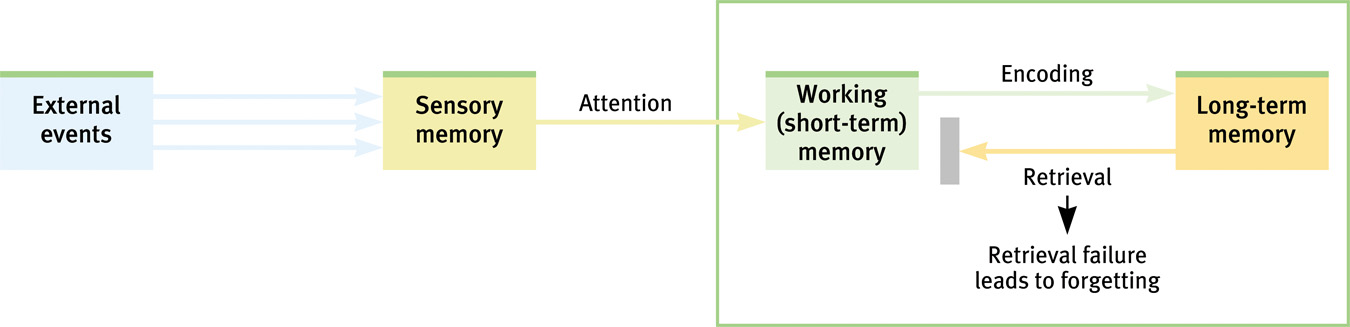
- Atkinson-Schiffrin (1968) three-stage model of memory includes a)
sensory memory, b) short-term memory and c) long-term memory.
|
|
236
|
|
|
237
|
|
|
238
|
- Next-in-line-Effect: When your recall is better for what other people
say but poor for a person just before you in line.
- Spacing Effect: We retain information better when our rehearsal is
distributed over time.
- Serial Position Effect: When your recall is better for first and last
items, but poor for middle items on a list.
|
|
239
|
- Mental pictures (imagery) are a powerful aid to effortful processing,
especially when combined with semantic encoding.
|
|
240
|
- Complex information broken down into broad concepts and further
subdivided into categories and subcategories.
|
|
241
|
- Organizing items into familiar, manageable unit. Try to remember the
number below.
|
|
242
|
|
|
243
|
|
|
244
|
|
|
245
|
|
|
246
|
|
|
247
|
- Working memory, a new name for short-term memory, has limited capacity
(7±2) and short duration (20 seconds).
|
|
248
|
|
|
249
|
- Brown/Peterson and Peterson (1958/1959) measured the duration of working
memory by manipulating rehearsal.
|
|
250
|
- Unlimited capacity store. Estimates on capacity range from 1000 billion
to 1,000,000 billion bits of information (Landauer, 1986).
|
|
251
|
|
|
252
|
- Long-Term Potentiation (LTP) refers to synaptic enhancement after
learning (lynch, 2002). Increase in neurotransmitter release or
receptors on the receiving neuron indicates strengthening of synapses.
|
|
253
|
- Explicit Memory refers to facts and experiences that one can consciously
know and declare. Implicit memory involves learning an action, and the
individual does not know or declare what she knows.
|
|
254
|
|
|
255
|
|
|
256
|
|
|
257
|
|
|
258
|
|
|
259
|
|
|
260
|
|
|
261
|
|
|
262
|
|
|
263
|
- After learning to move a mobile by kicking, infants most strongly
responded when retested in the same rather than a different context
(Butler & Rovee-Collier, 1989).
|
|
264
|
- Tendency to recall experiences that are consistent with one’s current
mood. Emotions, or moods serve as retrieval cues.
|
|
265
|
|
|
266
|
|
|
267
|
|
|
268
|
|
|
269
|
- Although the information is retained in the memory store it cannot be
accessed.
|
|
270
|
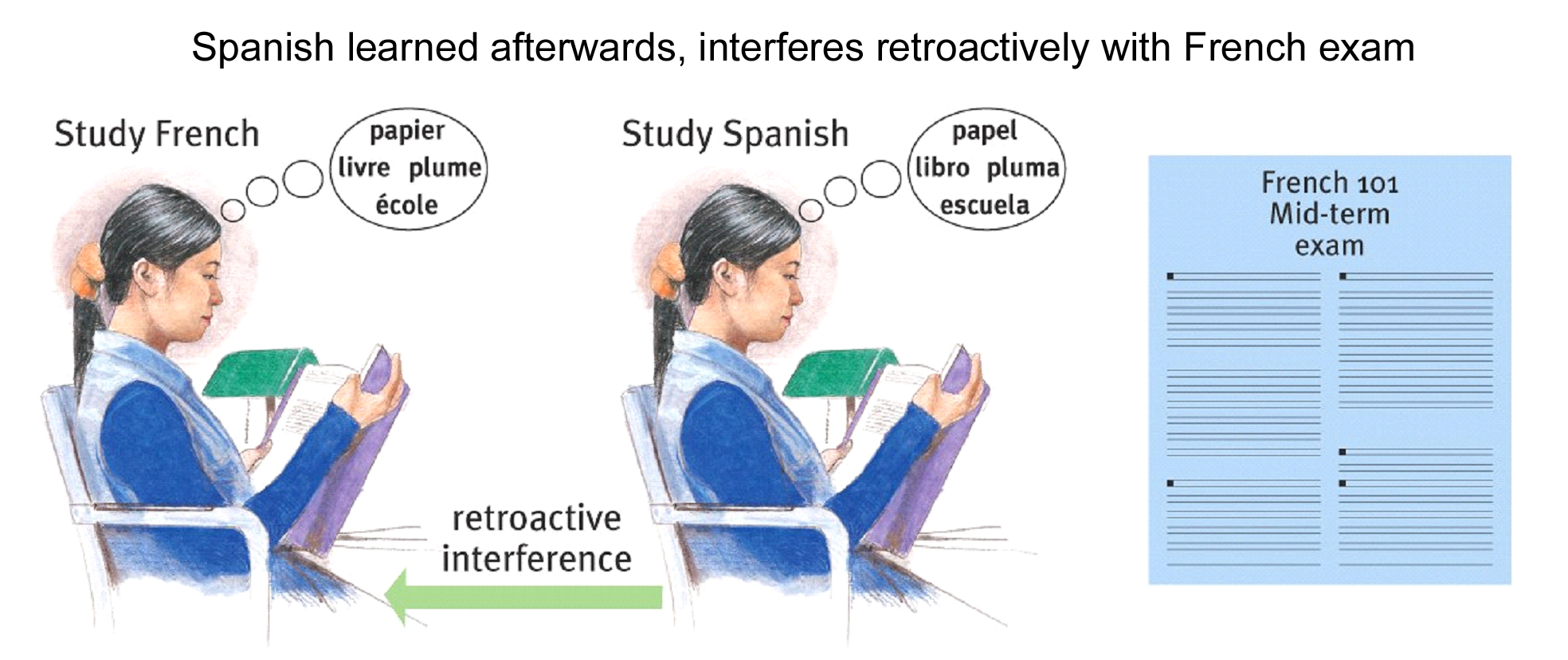
- Learning some information may disrupt
- retrieval of other information.
|
|
271
|
|
|
272
|
- Motivated Forgetting: People unknowingly revise their memories.
- Repression: Defense mechanism that banishes anxiety-arousing thoughts,
feelings, and memories from consciousness.
|
|
273
|
- While tapping our memories, we filter or fill in missing pieces of
information to make our recall more coherent.
|
|
274
|
- Eyewitnesses reconstruct memories when questioned about the event.
|
|
275
|
- Group A: How fast were the cars going when they hit each other?
- Group B: How fast were the cars going when they smashed into each other?
|
|
276
|
|
|
277
|
|
|
278
|
- Repressed or Constructed?
- Some adults do actually forget childhood episodes of abuse.
- False Memory Syndrome
- A condition in which a person’s identity and relationships center around
a false but strongly believed memory of traumatic experience sometimes
induced by well-meaning therapists.
|
|
279
|
- Children’s eyewitness recall can be unreliable if leading questions are
posed, however, if cognitive interviews are neutrally worded accuracy of
their recall increases usually suggesting lower percentage of sexual
abuse.
|
|
280
|
- Are memories of abuse repressed or constructed?
- Many psychotherapists believe that early childhood sexual abuse results
in repressed memories.
- However other psychologists question such beliefs and think that such
memories may be constructed.
|
|
281
|
- Injustice happens
- Incest and other sexual abuse happens
- Forgetting happens
- Recovered memories are commonplace
- Recovered memories under hypnosis or drugs are unreliable.
- Memories of things happening before 3 years are unreliable
- Memories whether real or false are emotionally upsetting
|
|
282
|
|
|
283
|
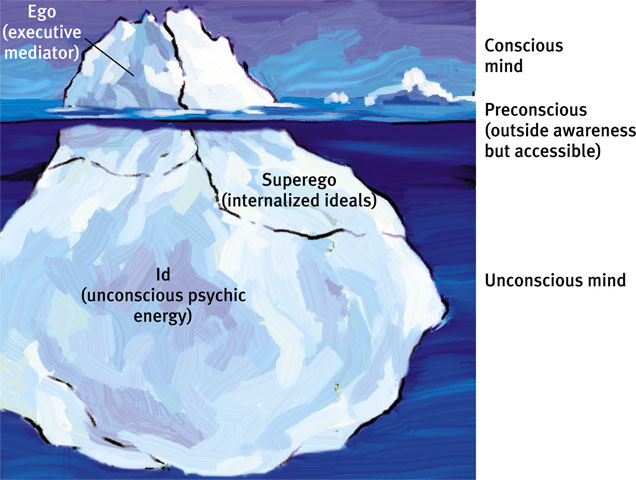
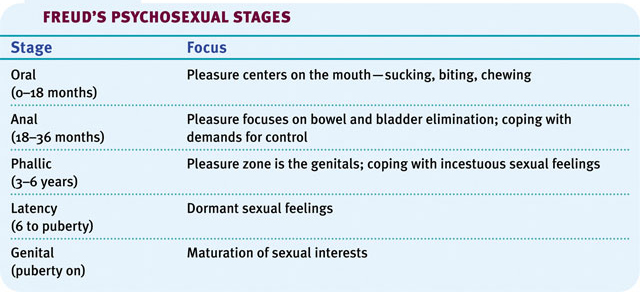
- Freud’s clinical experience led him to develop the first comprehensive
theory of personality which included, the unconscious mind, psychosexual
stages and defense mechanisms.
|
|
284
|
- A reservoir (unconscious mind) of mostly unacceptable thoughts, wishes,
feelings and memories. Freud asked patients to say whatever came to
their mind (free association) to tap the unconscious.
|
|
285
|
|
|
286
|
- Personality develops as a result of our efforts to resolve conflicts
between our biological impulses (id) and social restraints (superego).
|
|
287
|
- Id unconsciously strives to satisfy basic sexual and aggressive drives
operating on the pleasure principle, demanding immediate gratification.
|
|
288
|
|
|
289
|
- Ego’s protective methods of reducing anxiety by unconsciously distorting
reality.
|
|
290
|
|
|
291
|
|
|
292
|
- Evaluating personality from an unconscious mind perspective would
require a psychological instrument (projective tests) that would reveal
the hidden unconscious mind.
|
|
293
|
- Developed by Henry Murray, TAT is a projective test in which people
express their inner feelings and interests through the stories they make
up about ambiguous scenes.
|
|
294
|
- The most widely used projective test with a set of 10 inkblots was
designed by Hermann Rorschach. It seeks to identify people’s inner
feelings by analyzing their interpretations of the blots.
|
|
295
|
- Critics argue that projective test lack both reliability (consistency of
results) and validity (predicting what it is supposed to).
|
|
296
|
- Personality develops throughout life and is not fixed in childhood.
- Freud underemphasize peer influence on the individual which may be as
powerful as parental influence.
- Gender identity may develop before 5-6 years of age.
|
|
297
|
- There may be other reasons for dreams to arise than wish fulfillment.
- Verbal slips can be explained on basis of cognitive processing of verbal
choices.
- Suppressed sexuality leads to psychological disorders. Sexual inhibition
has decreased, but psychological disorders have not.
|
|
298
|
- Freud's psychoanalytic theory rests on repression of painful experiences
into the unconscious mind.
|
|
299
|
- Freud was right about the unconscious mind. Modern research shows the
existence non-conscious information processing.
|
|
300
|
|
|
301
|
- By 1960s psychologists had become discontented with Freud’s negativity
and the mechanistic psychology of the behaviorists.
|
|
302
|
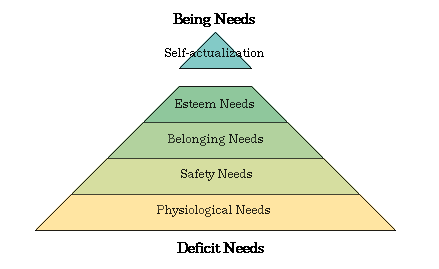
- Maslow proposed that we as individuals are motivated by a hierarchy of
needs. Starting with physiological needs we try to reach the state of self-actualization
fulfilling our potential.
|
|
303
|
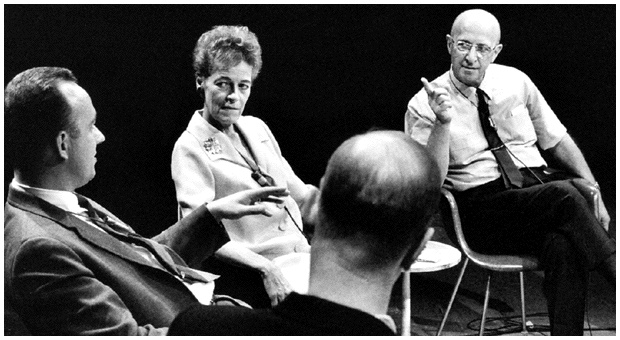
- Carl Rogers also believed in individual's self-actualization tendencies.
Unconditional Positive Regard, he said, was an attitude of acceptance of
others amidst their failings.
|
|
304
|
- Humanistic psychology had pervasive impact on counseling, education,
child-rearing and management.
- Concepts in humanistic psychology are vague and subjective and lacked
scientific basis.
- Gender identity may develop before 5-6 years of age.
|
|
305
|
|
|
306
|
- An individual’s unique constellation of durable dispositions and
consistent ways of behaving (traits) constitutes his personality.
|
|
307
|
- Personality types, assessed by measures like the Myers-Briggs Type
Indicator, consist of a number of traits, e.g., Feeling type personality
is sympathetic, appreciative and tactful.
|
|
308
|
- Hans and Sybil Eysenck suggested that personality could be reduced down
to two polar dimensions, extraversion-introversion and emotional
stability-instability.
- Where would you place yourself?
|
|
309
|
- Minnesota Multiphasic Personality Inventory (MMPI) the most widely
researched and clinically used of all personality tests originally
developed to identify emotional disorders.
|
|
310
|
- Today’s trait researchers believe that Eysencks’ personality dimensions
are too narrow and Cattell’s 16PF too large. So a middle range (five
factors) of traits does a better job of assessment.
|
|
311
|
- External locus of control refers to the perception that chance or
outside forces beyond our personal control determine our fate.
|
|
312
|
- When unable to avoid repeated aversive events an animal or human learns
hopelessness.
|
|
313
|
- Positive psychology like humanistic psychology attempts to foster human
fulfillment. Positive psychology in addition seeks positive subjective
well-being, positive character and positive social groups.
|
|
314
|
|
|
315
|
|
|
316
|
- Attribution Theory: Fritz Heider (1958) suggested that we have a
tendency to give causal explanations for someone’s behavior, often by
crediting either the situation or the person’s disposition.
|
|
317
|
- The tendency to overestimate the impact of personal disposition and
underestimate the impact of the situations in analyzing the behaviors of
others leads to fundamental attribution error.
|
|
318
|
- How we explain someone’s behavior affects how we react to it.
|
|
319
|
- Belief and feeling that predisposes one to respond in a particular way
to objects, people and events.
|
|
320
|
- Not only do people stand for what they believe [attitude] in, but they
start believing in what they stand for.
|
|
321
|
- Zimbardo (1972) assigned the role of guards and prisoners to random
students and found that guards and prisoners developed role appropriate
attitudes.
|
|
322
|
- Why do actions affect attitudes? One explanation is that when our
attitudes and actions are opposed, we experience tension, called cognitive
dissonance.
|
|
323
|
|
|
324
|
|
|
325
|
- The greatest contribution of social psychology is its study of
attitudes, beliefs, decisions, and actions and the way they are molded
by social influence.
|
|
326
|
|
|
327
|
- Influence resulting from one’s willingness to accept others’ opinions
about reality.
|
|
328
|
- One is made to feel incompetent or insecure.
- The group has at least three people.
- The group is unanimous.
- One admires the group’s status and attractiveness.
- On has no prior commitment to response.
- The group observes one’s behavior.
- One’s culture strongly encourages respect for social standard.
|
|
329
|
|
|
330
|
|
|
331
|
|
|
332
|
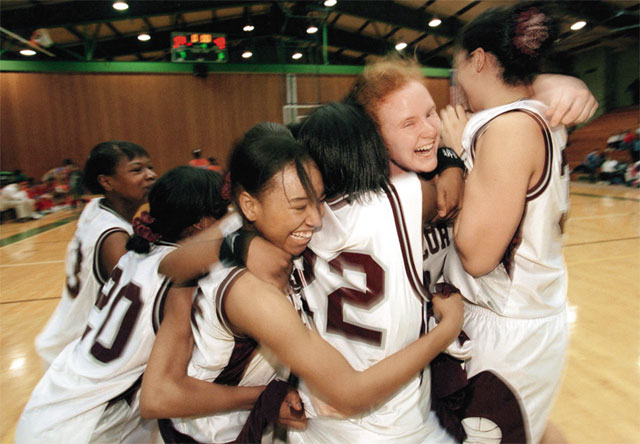
- Social facilitation: Refers to improved performance on a task in the
presence of others. Triplett (1898) noticed cyclists’ race time were
faster when they competed against others than against a clock.
- Describe a time in your life when you experienced social facilitation.
|
|
333
|
- Tendency of an individual in a group to exert less effort toward
attaining a common goal than when tested individually (Latané, 1981).
- In small groups, decide what athletic sport is likely to elicit
relatively more social loafing.
- In small groups, decide what athletic sport is likely to elicit
relatively less social loafing.
|
|
334
|
- Loss of self-awareness and self-restraint in group situations that
foster arousal and anonymity.
|
|
335
|
- Group Polarization: enhances group’s prevailing attitudes through
discussion. If a group is like-minded, discussion strengthens its
prevailing opinions and attitudes.
|
|
336
|
- Mode of thinking that occurs when the desire for harmony in a
decision-making group overrides realistic appraisal of alternatives.
- As our book notes, the phenomenon of groupthink helps to explain our
failure to anticipate the Japanese attack on Pearl Harbor, the
escalation of the Vietnam War, the Watergate cover-up, the space shuttle
Challenger explosion, and the belief that Iraq had WMD. Groupthink is
often a concern when juries deliberate to arrive at a guilty or not
guilty verdict (e.g., film Twelve Angry Men).
- What mechanisms could be used in the jury room to avoid groupthink?
|
|
337
|
|
|
338
|
- Simply called, “prejudgment,” a prejudice is an unjustifiable (usually
negative) attitude toward a group and its members – often of different
cultural, ethnic or gender groups.
|
|
339
|
- Why does prejudice arise?
|
|
340
|
- When people have money, power and prestige, and others do not, prejudice
develops. Social inequality increases prejudice.
|
|
341
|
- Ingroup: People with whom one shares a common identity. Outgroup: Those
perceived as different from one’s ingroup. Ingroup Bias: The tendency to
favor one’s own group.
|
|
342
|
- Prejudice provides an outlet for anger [emotion] by providing someone to
blame. After 9/11 many people lashed out against innocent
Arab-Americans.
|
|
343
|
- One way we simplify our world is to categorize. We categorize people
into groups by stereotyping them.
|
|
344
|
|
|
345
|
|
|
346
|
- Proximity: Geographic nearness is a powerful predictor of friendship.
Repeated exposure to novel stimuli increases their attraction (mere
exposure effect).
|
|
347
|
- 2. Physical Attractiveness: Once proximity affords contact the next most
important thing in attraction is physical appearance.
|
|
348
|
- 3. Similarity: Having similar views between individuals causes the bond
of attraction to strengthen.
|
|
349
|
- Passionate Love: An aroused state of intense positive absorption in
another usually present at the beginning of a love relationship.
|
|
350
|
- Companionate Love: Deep affectionate attachment we feel for those with
whom our lives are intertwined.
|
|
351
|
- What is the most altruistic thing that you have done in your life?
|
|
352
|
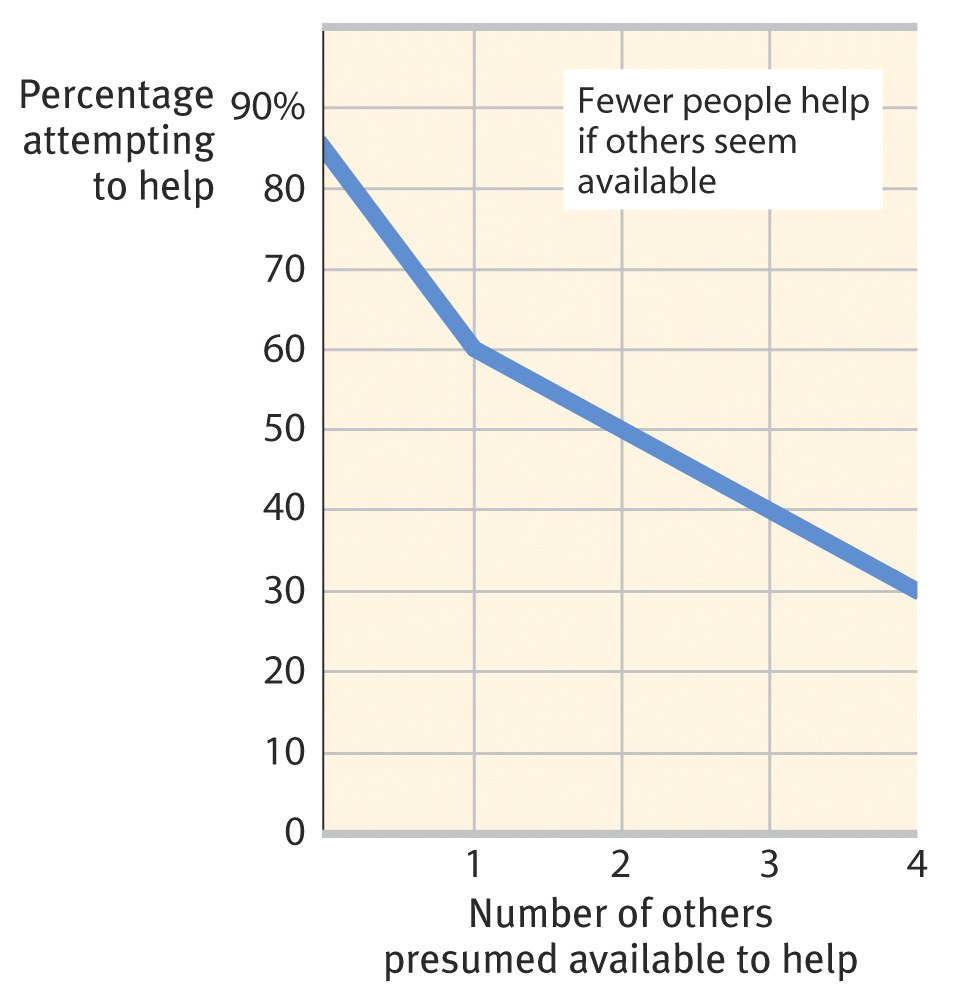
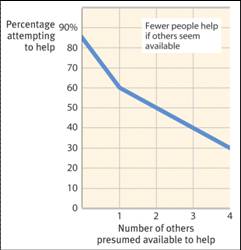
- Tendency for any given bystander to be less likely to give aid if other
bystanders are present.
|
|
353
|
- Superordinate Goals are shared goals that override differences among
people and require their cooperation.
|
|
354
|
- Graduated & Reciprocated Initiatives in Tension-Reduction (GRIT) A
strategy designed to decrease international tensions. One side
recognizes mutual interests and initiates a small conciliatory act that
opens the door for reciprocation by the other party.
|
|
355
|
|
|
356
|
- Mental health workers view psychological disorders as persistently
harmful thoughts, feelings and action.
|
|
357
|
- Deviant behavior (going naked) in one culture may be considered normal
while in others leads to arrest.
- Deviant behavior must accompany distress.
- If a behavior is dysfunctional it
is clearly a disorder.
|
|
358
|
- When physicians discovered that syphilis led to mental disorders, the medical
model started looking at physical causes of these disorders.
|
|
359
|
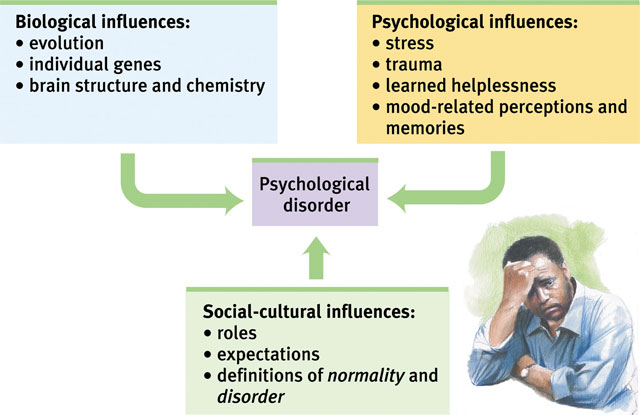
- Assumes that biological, socio-cultural, and psychological factors
combine and interact to produce psychological disorders.
|
|
360
|
- American Psychiatric Association rendered a Diagnostic and Statistical
Manual of Mental Disorders (DSM) to describe psychological disorders.
|
|
361
|
|
|
362
|
- Feelings of excessive apprehension and anxiety.
|
|
363
|
- Persistent and uncontrollable tenseness and apprehension.
|
|
364
|
- Minute-long episodes of intense dread which may include feelings of
terror, chest pains, choking or other frightening sensations.
|
|
365
|
- Marked by a persistent and irrational fear of an object or situation
that disrupts behavior.
|
|
366
|
- Persistence of unwanted thoughts (obsessions) and urge to engage in
senseless rituals (compulsions) that cause distress.
|
|
367
|
- Four or more weeks of the following symptoms constitute post-traumatic
stress disorder (PTSD).
|
|
368
|
|
|
369
|
- Conscious awareness becomes separated (dissociated) from previous
memories, thoughts, and feelings.
|
|
370
|
- Is a disorder in which a person exhibits two or more distinct and
alternating personalities formerly called multiple personality disorder.
|
|
371
|
- Characterized by inflexible and enduring behavior patterns that impair
social functioning. Usually without anxiety, depression, or delusions.
|
|
372
|
- Disorder in which the person (usually men) exhibits a lack of conscience
for wrongdoing, even towards friends and family members. Formerly called
sociopath or psychopath.
|
|
373
|
|
|
374
|
- Emotional extremes of mood disorders come in two principal forms.
|
|
375
|
- Major depressive disorder occurs when signs of depression last two weeks
or more and are not caused by drugs or medical conditions.
|
|
376
|
|
|
377
|
- Formerly called manic-depressive disorder, alteration between depression
and mania signals bipolar disorder.
|
|
378
|
|
|
379
|
- If depression is the common cold of psychological disorders
schizophrenia is the cancer.
|
|
380
|
- Literal translation “split mind”. A group of severe disorders
characterized by:
|
|
381
|
|
|
382
|
- Many psychologists believe disorganized thoughts occur because of selective
attention failure (fragmented and bizarre thoughts).
|
|
383
|
- A schizophrenic person may perceive things that are not there (hallucinations).
Frequently such hallucinations are auditory, and less often visual, somatosensory, olfactory or
gustatory.
|
|
384
|
- A schizophrenic person may laugh at the news of someone dying, or show
no emotion at all (apathy).
|
|
385
|
- Schizophrenics have inappropriate symptoms (hallucinations, disorganized
thinking, deluded ways) not present in normal individuals (positive
symptoms).
|
|
386
|
- When schizophrenia is slow to develop (chronic/process) recovery is
doubtful. Such schizophrenics usually displays negative symptoms.
|
|
387
|
|
|
388
|
- There are two ways to solve problems:
|
|
389
|
- Algorithms exhaust all possibilities before arriving at a solution. They
take a long time. Computers use algorithms.
|
|
390
|
|
|
391
|
- Heuristics make it easy for us to use simple principles to arrive at
solutions to problems.
|
|
392
|
|
|
393
|
|
|
394
|
|
|
395
|
|
|
396
|
|
|
397
|
|
|
398
|
|
|
399
|
|
|
400
|
|
|
401
|
|

 Notes
Notes