|
1
|
|
|
2
|
- The Brain
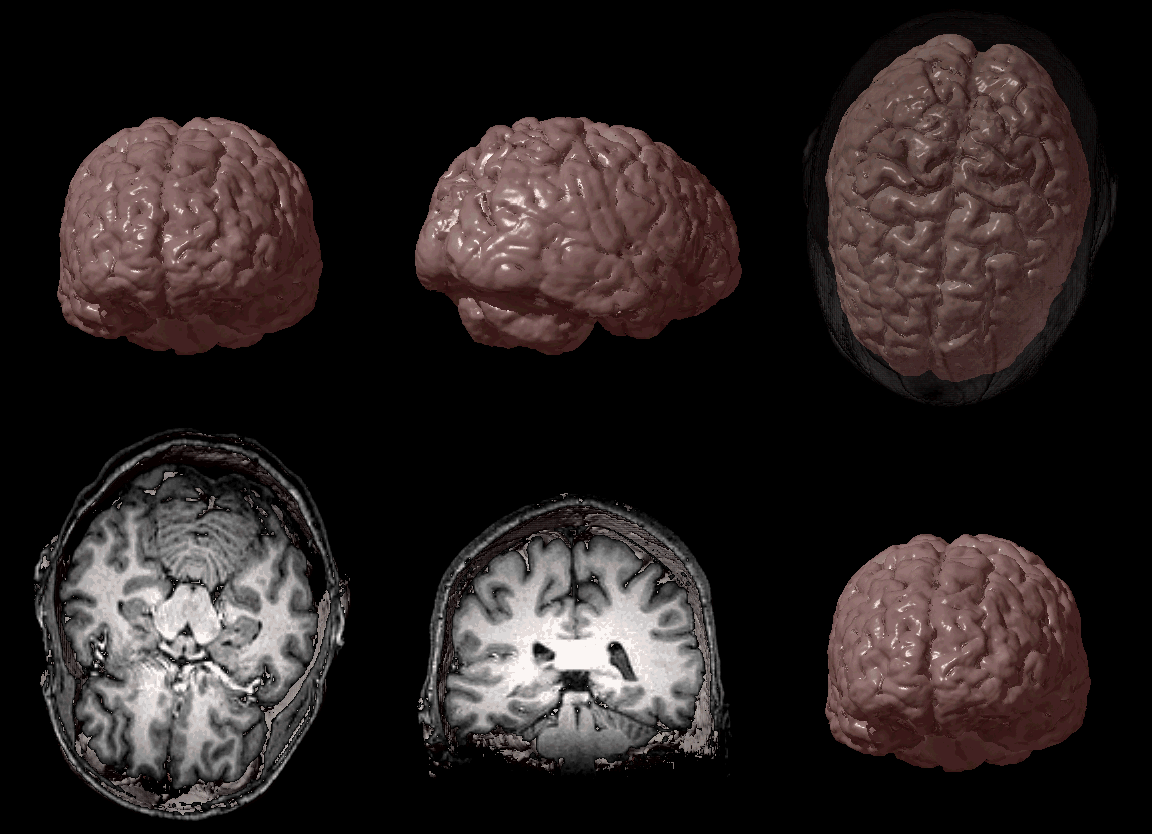
- The Tools of Discovery
- Older Brain Structures
- The Cerebral Cortex
- Our Divided Brain
- Left Brain-Right Brain
|
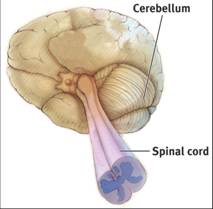
|
3
|
|
|
4
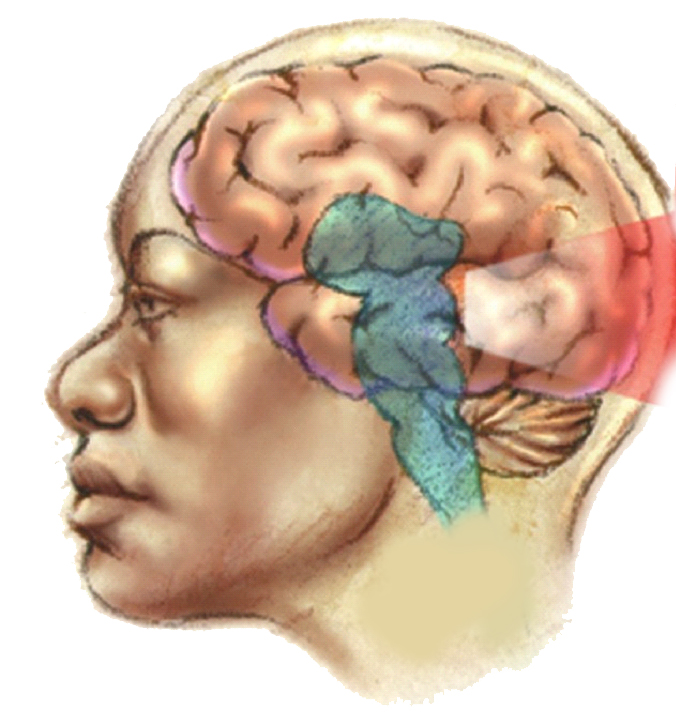
|
|
|
5
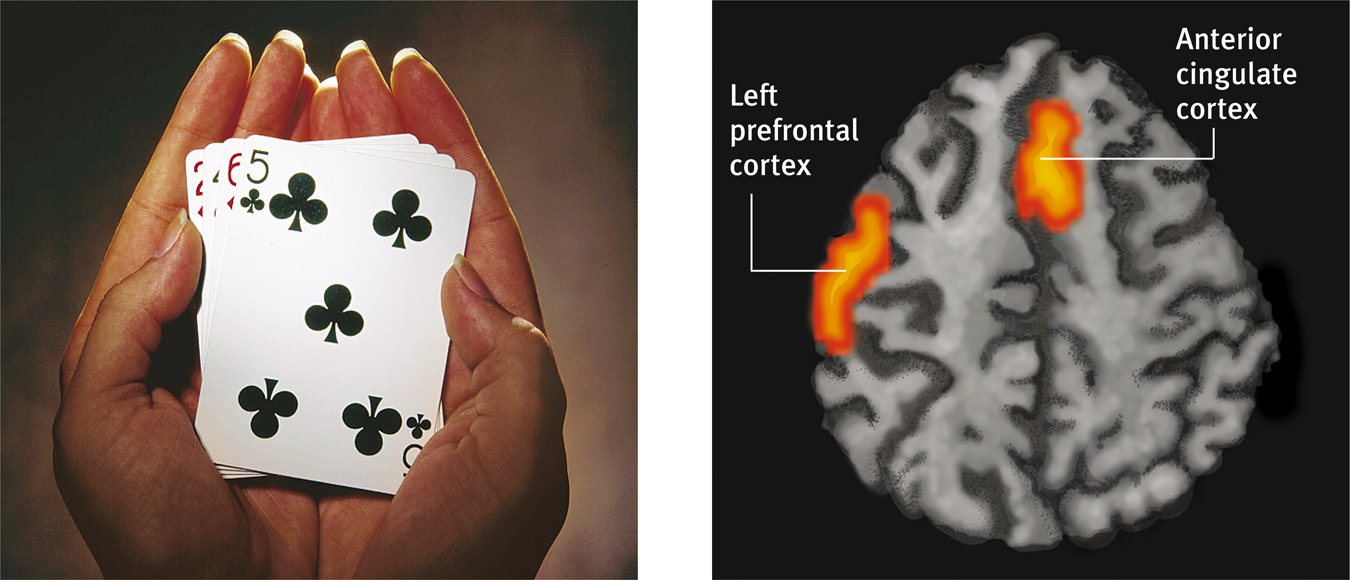
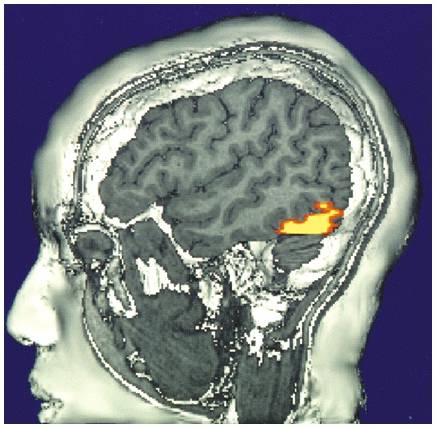
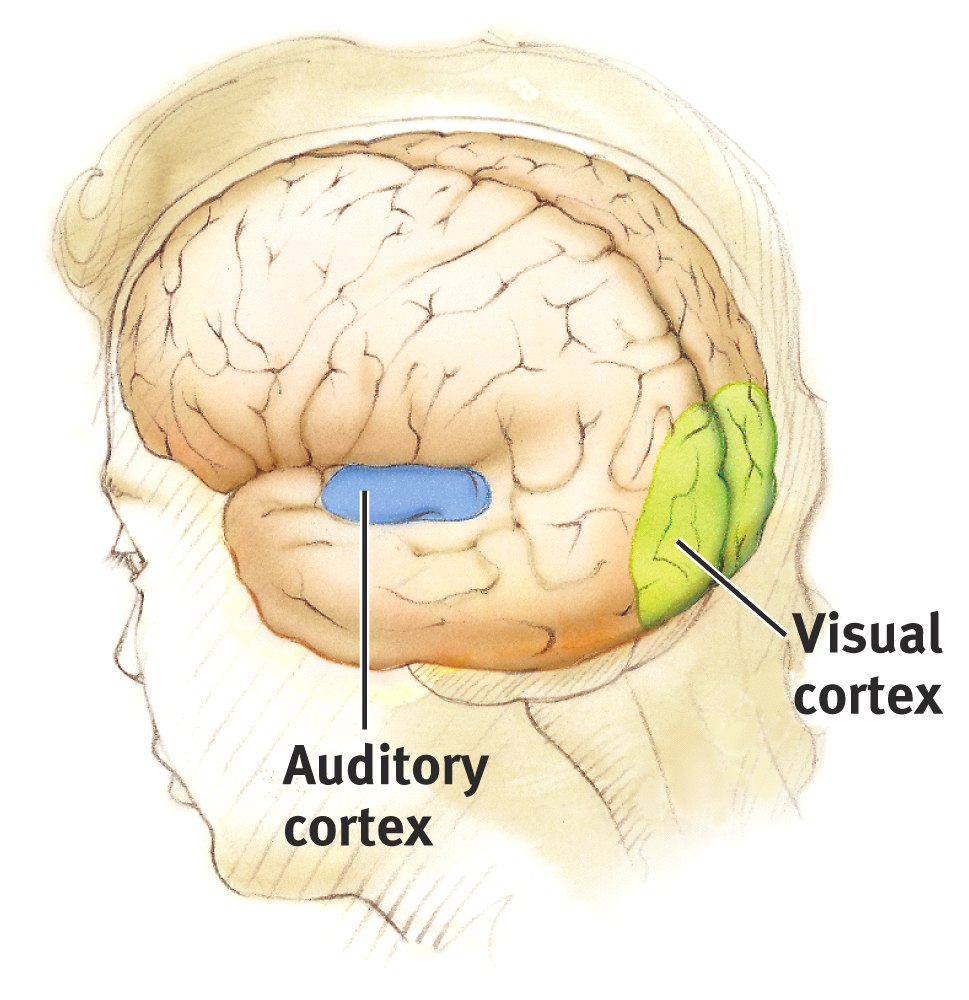
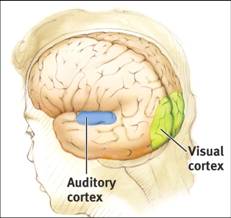
|
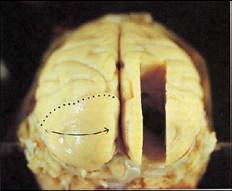
- Brain lesion experimentally destroys brain tissue to study animal
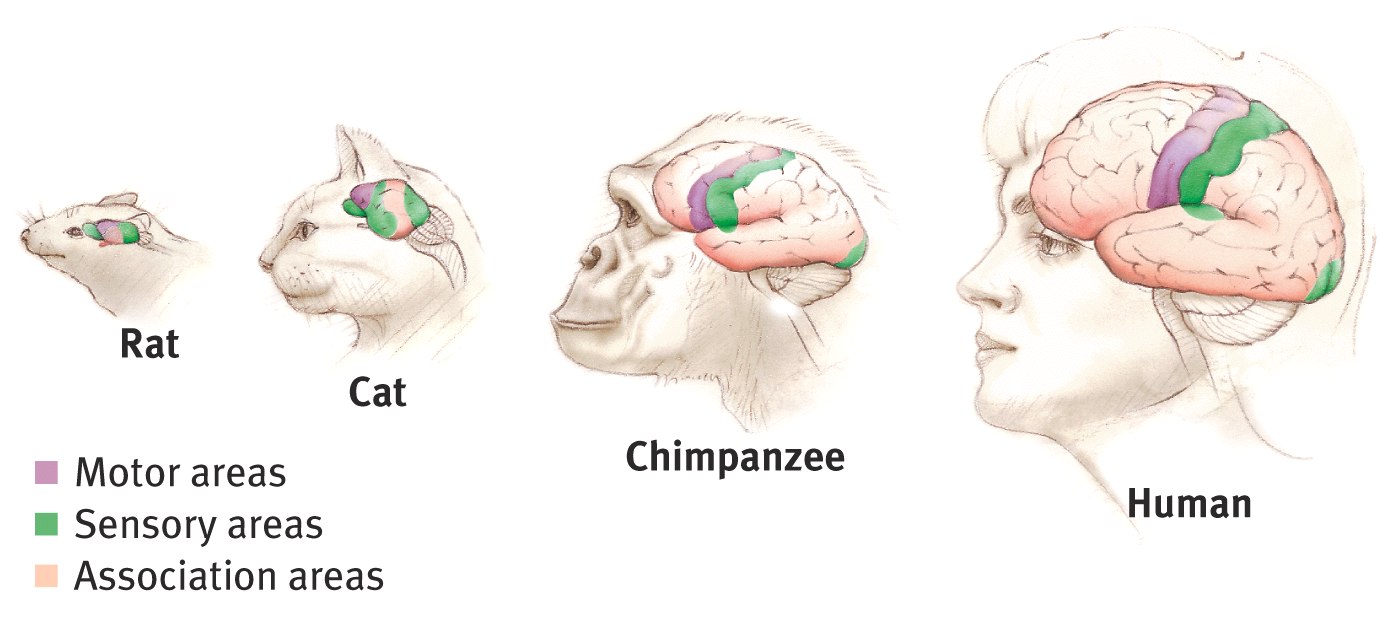
behaviors after such destruction.
|
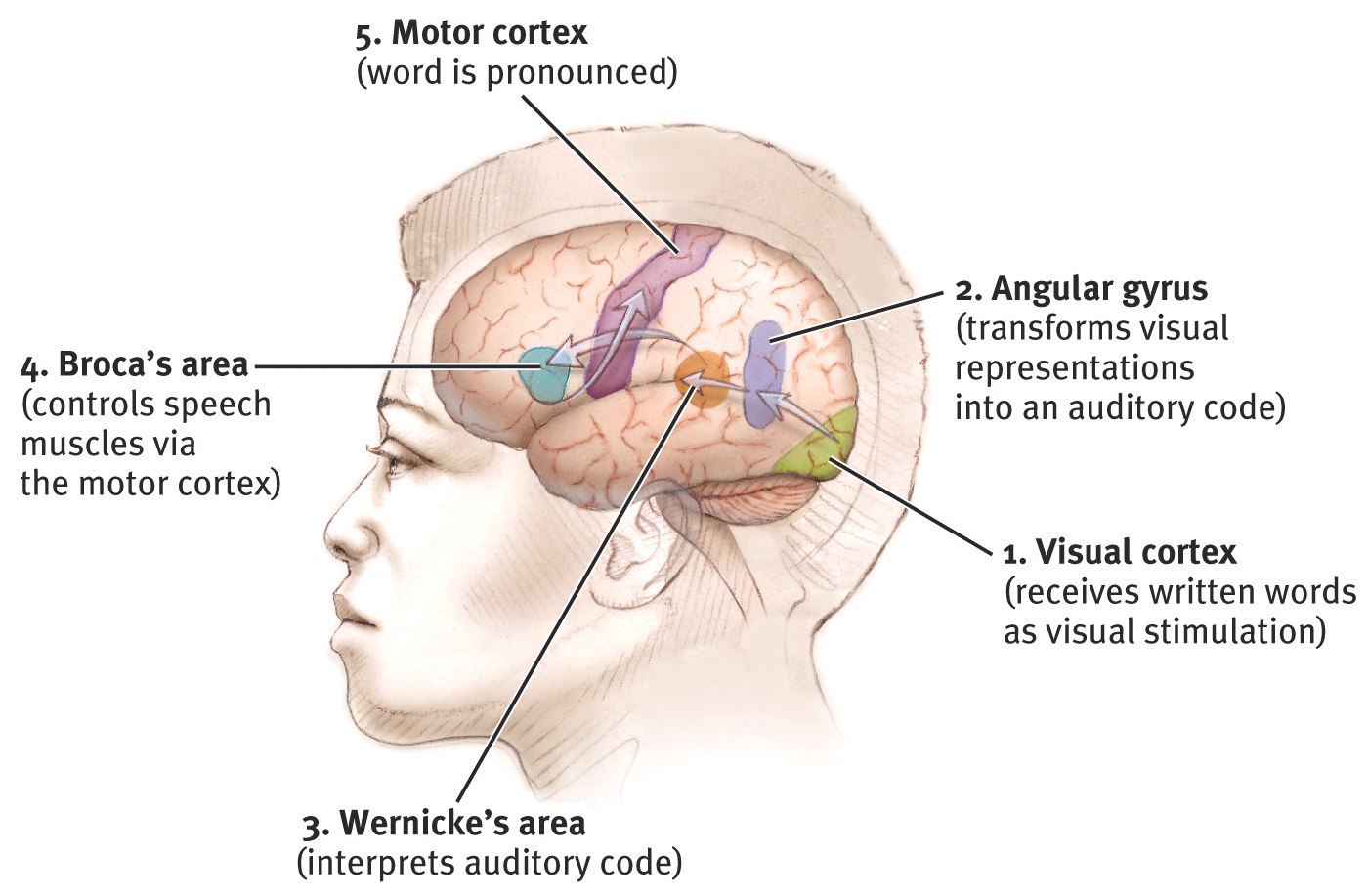
|
6
|
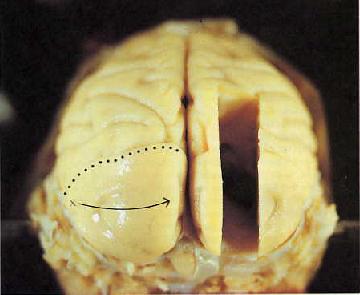
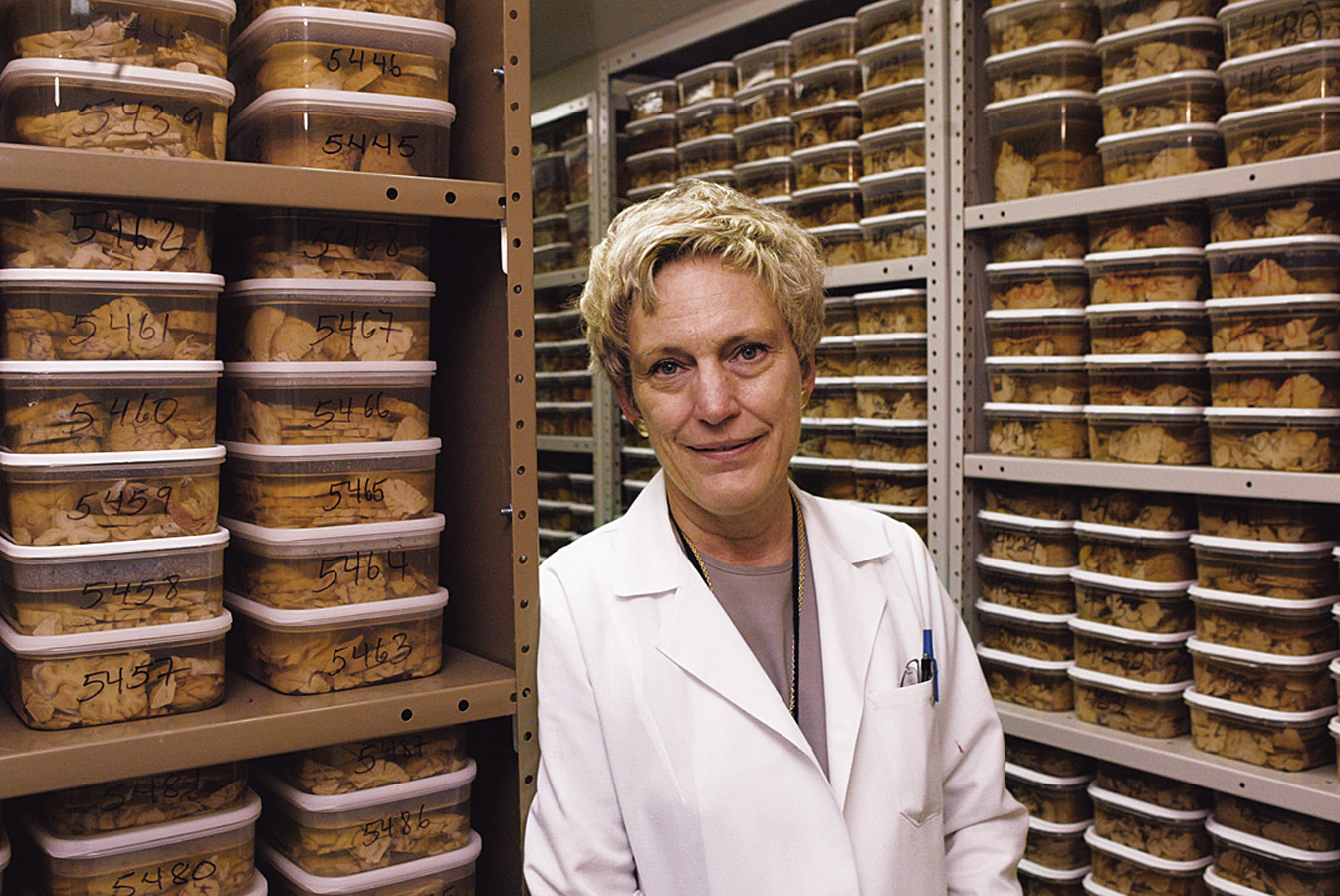
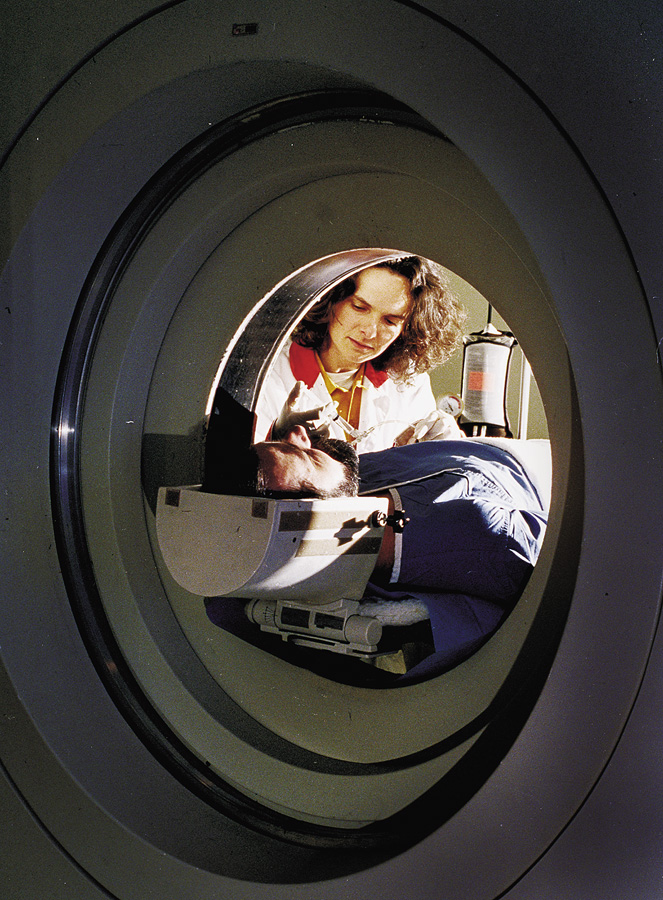
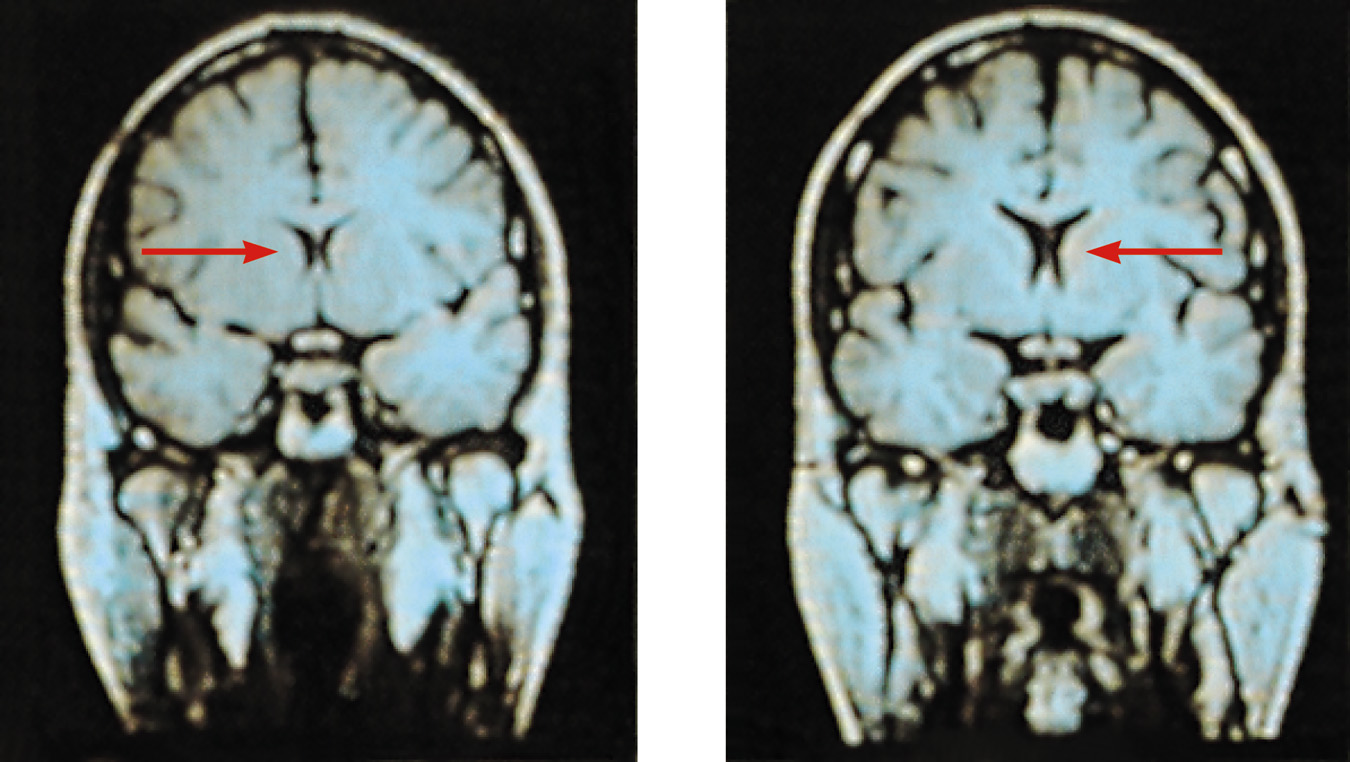
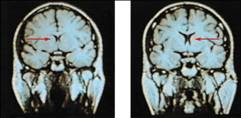
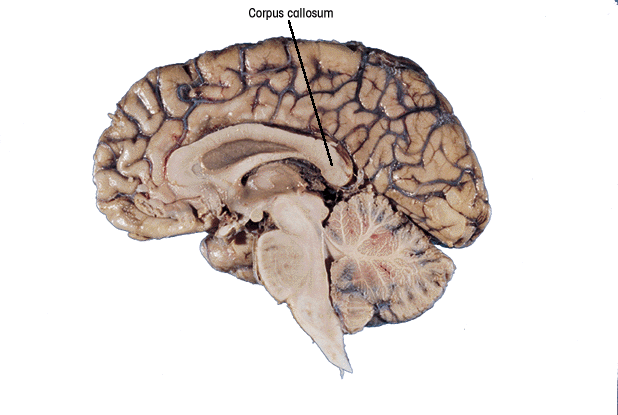
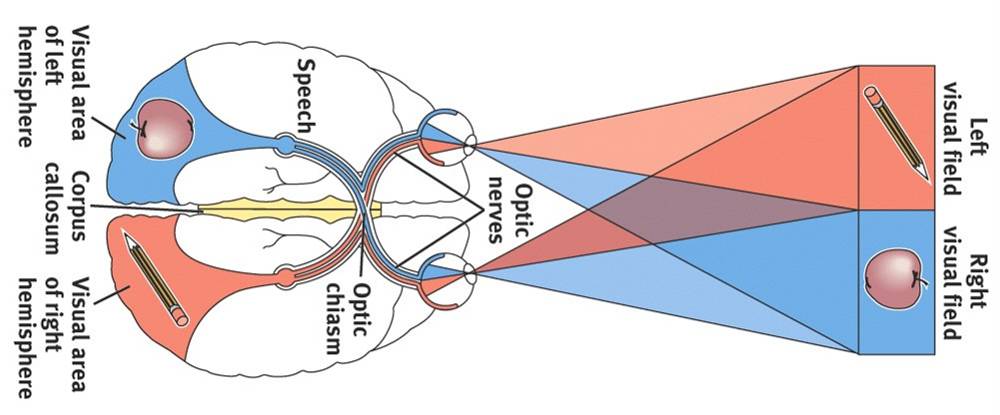
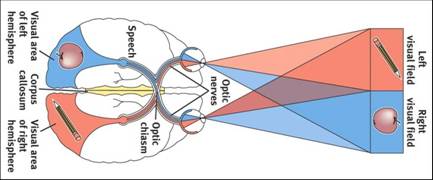
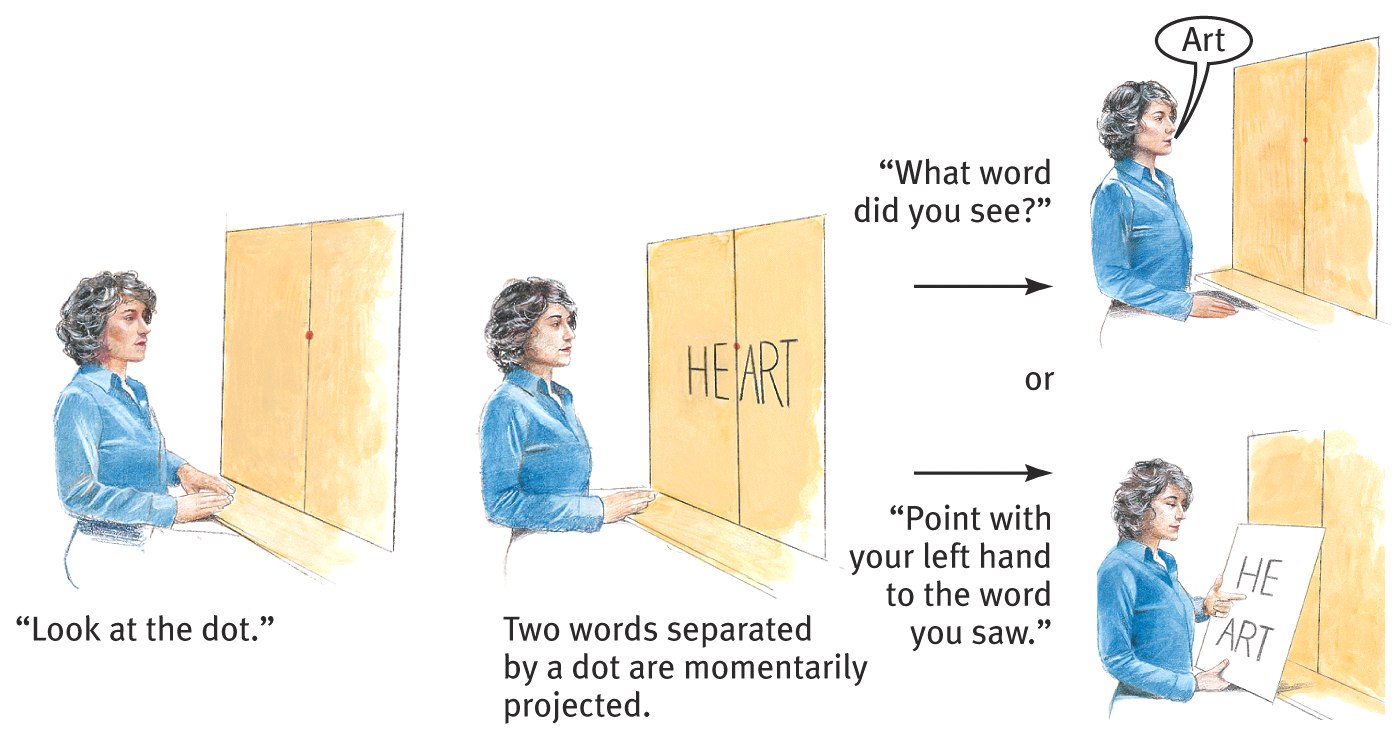
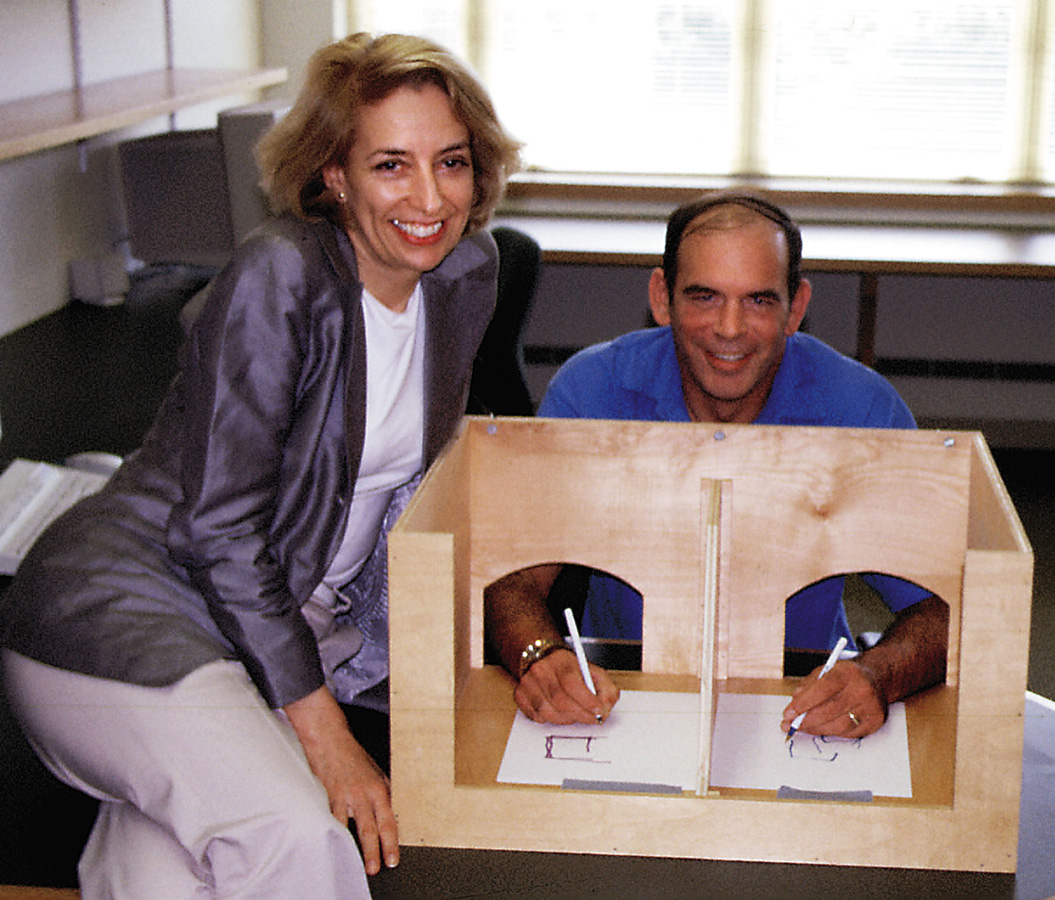
- Clinical observations have shed light on a number of brain disorders.
Alterations in brain morphology due to neurological and psychiatric
diseases are now being catalogued.
|
|
7
|
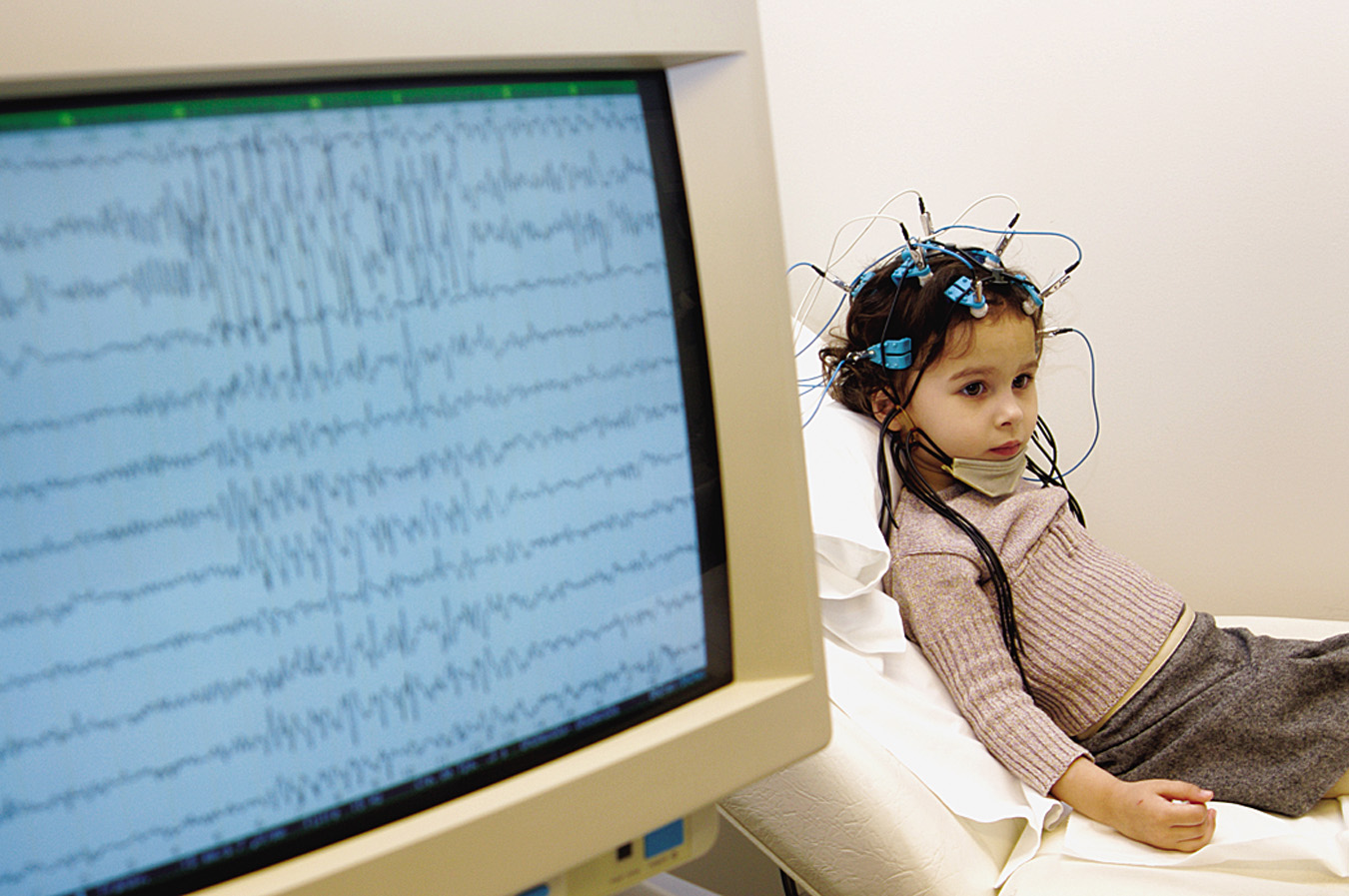
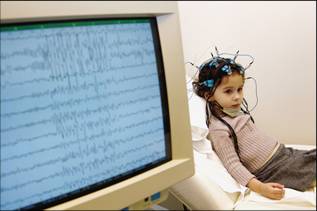
- An amplified recording of the electrical waves sweeping across the
brain’s surface, measured by electrodes placed on the scalp.
|
|
8
|
|
|
9
|
|
|
10
|
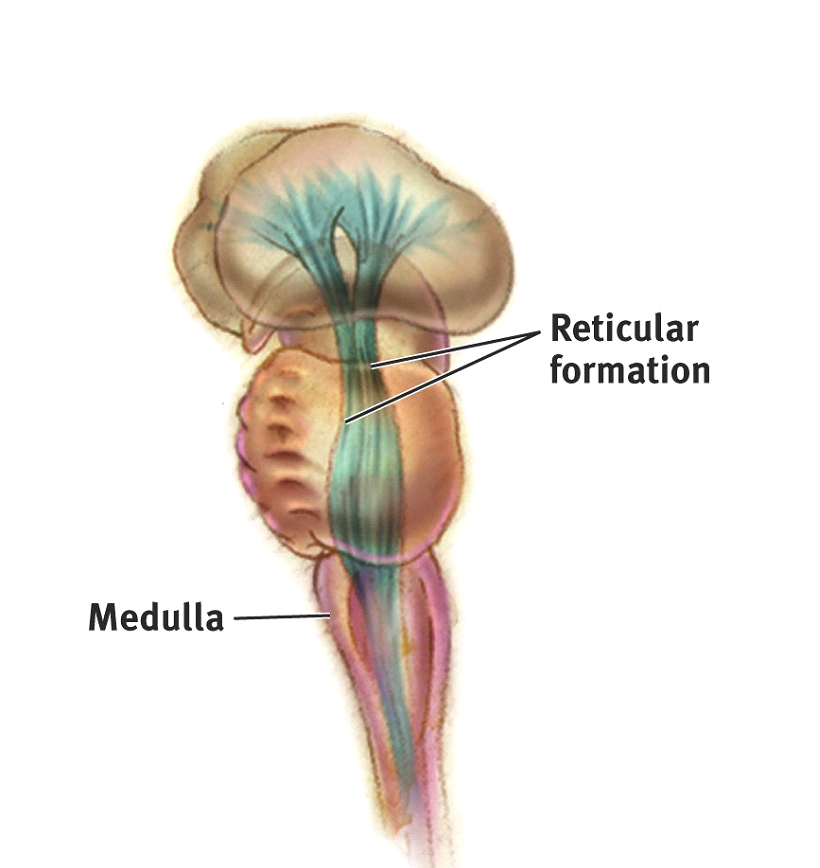
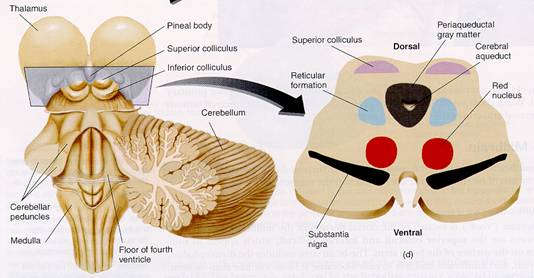
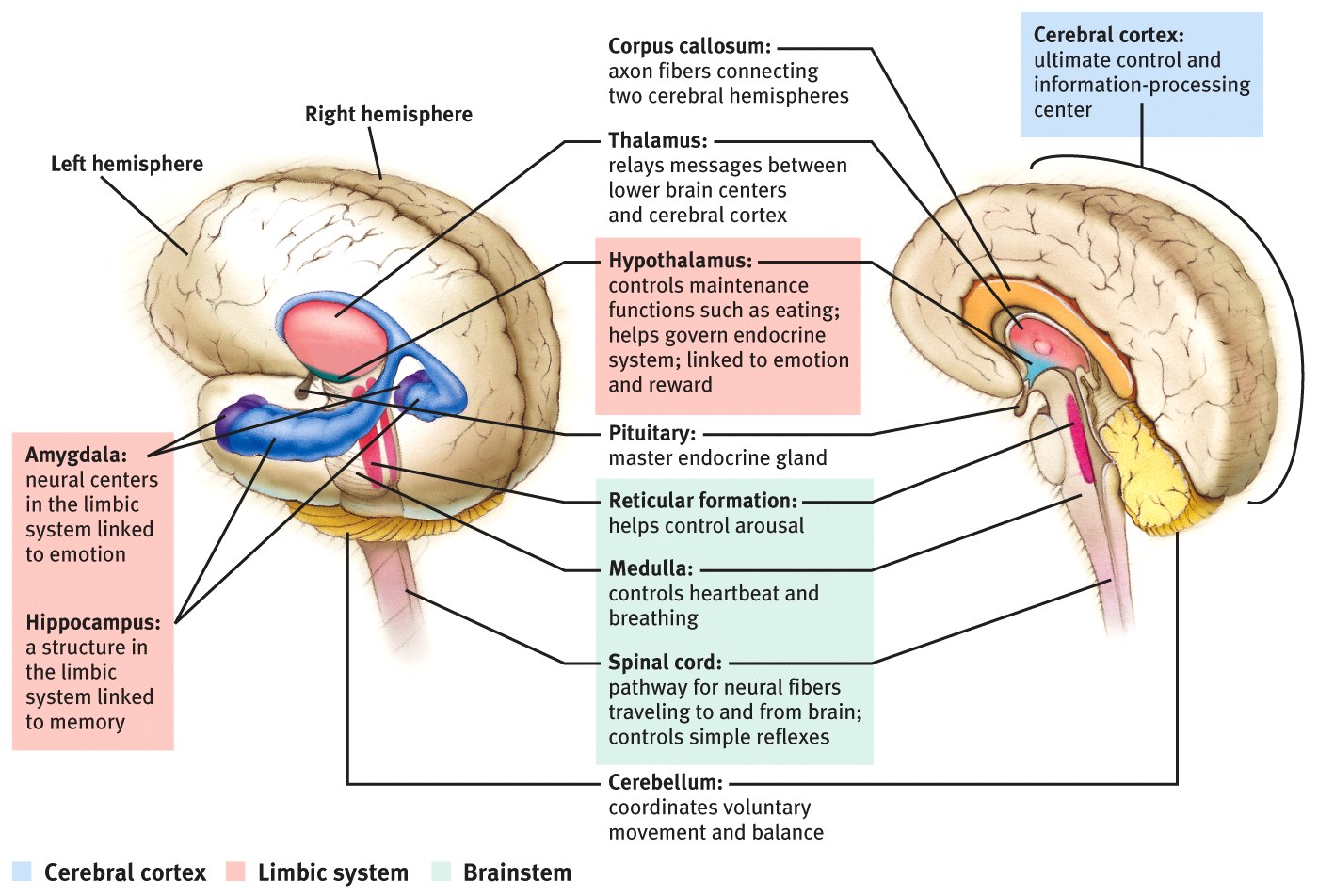
- Brainstem the oldest part of the brain, beginning where the spinal cord
swells and enters the skull. Responsible for automatic survival
functions.
|
|
11
|
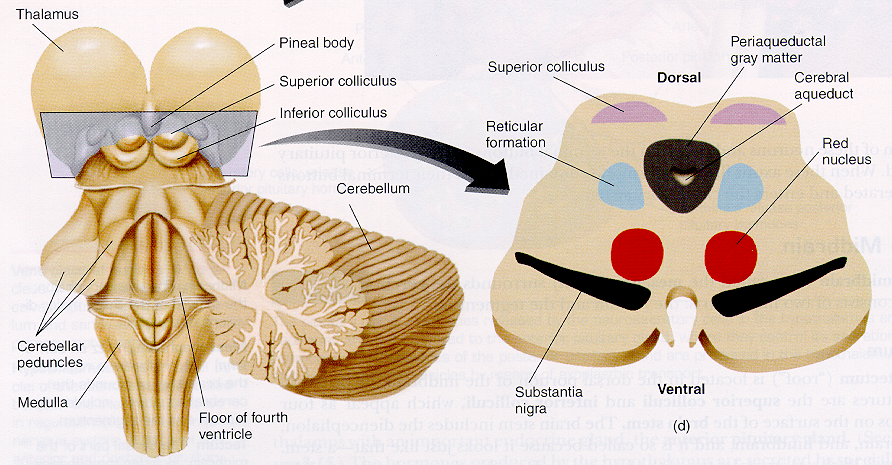
- Medulla [muh-DUL-uh] base of the brainstem, controls heartbeat and
breathing.
- Reticular Formation a nerve network in the brainstem that plays an
important role in controlling arousal.
|
|
12
|
|
|
13
|
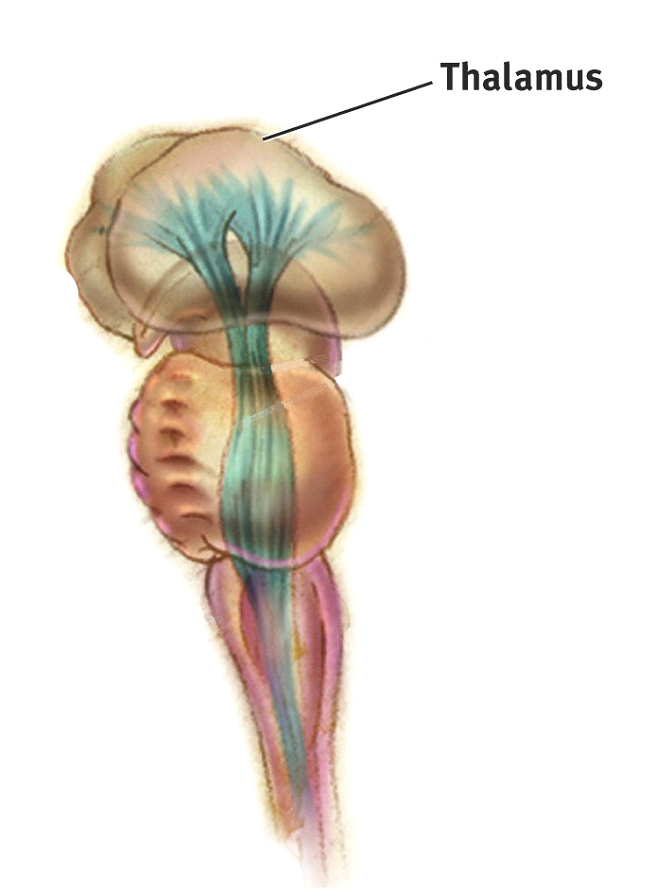
- Thalamus [THAL-uh-muss] the brain’s sensory switchboard, located on top
of the brainstem. It directs messages to the sensory areas in the cortex
and transmits replies to the cerebellum and medulla.
|
|
14
|
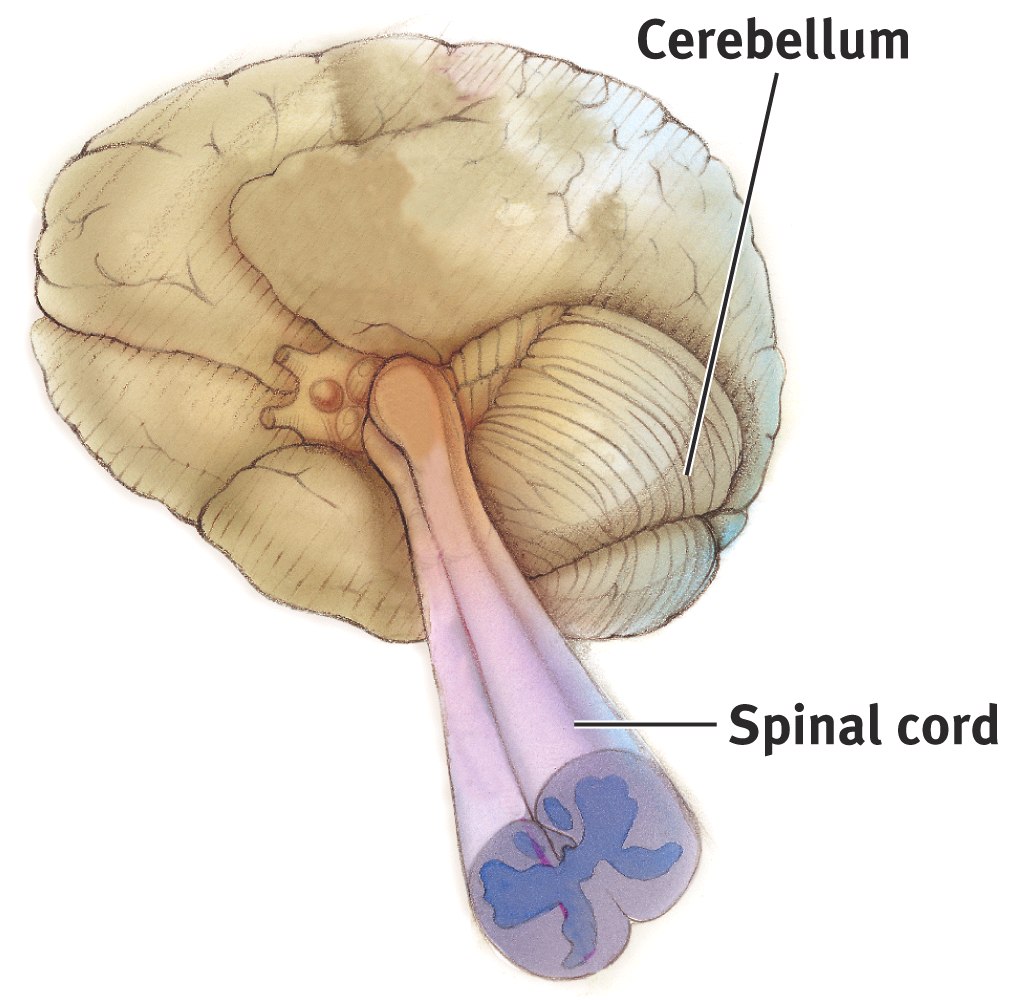
- The “little brain” attached to the rear of the brainstem. It helps
coordinate voluntary movements and balance.
|
|
15
|
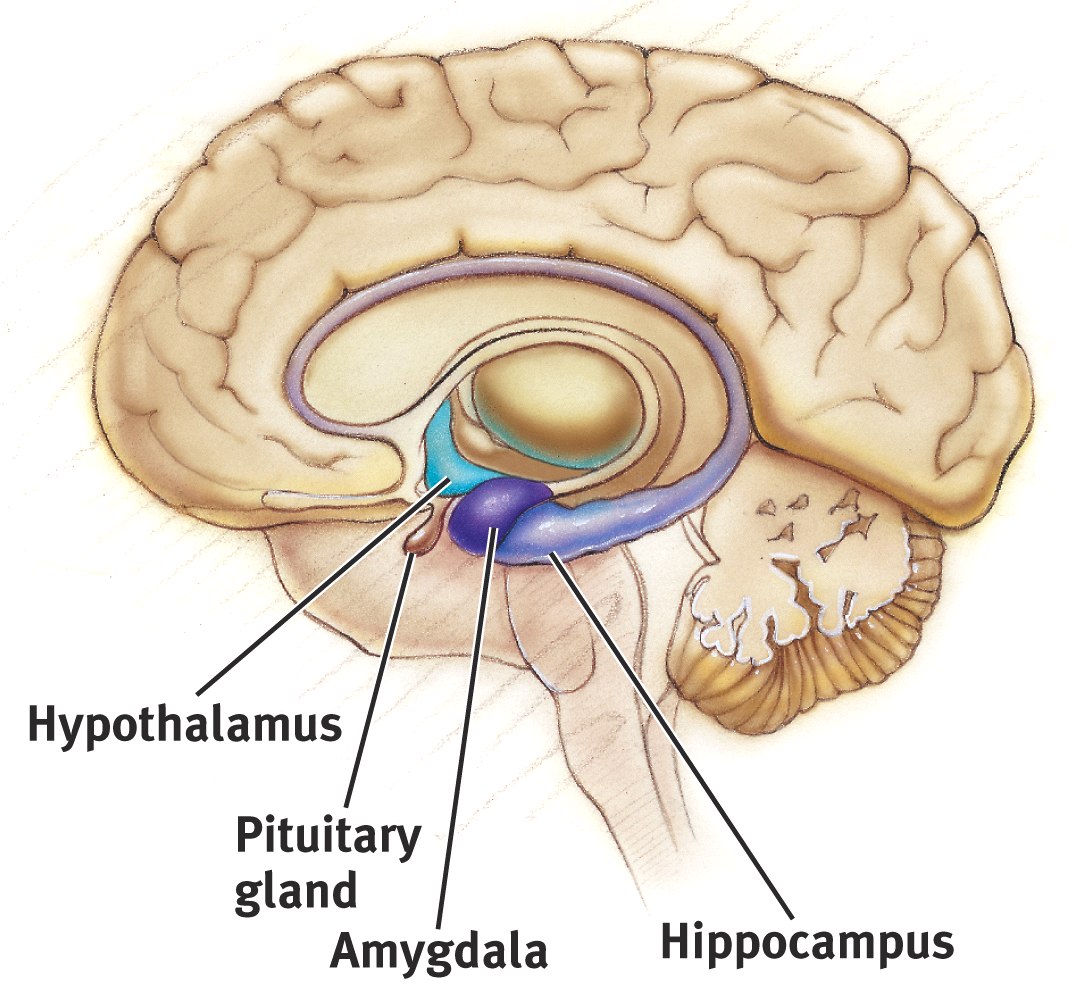
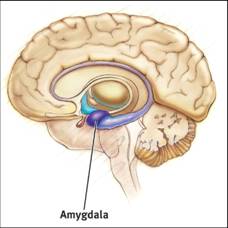
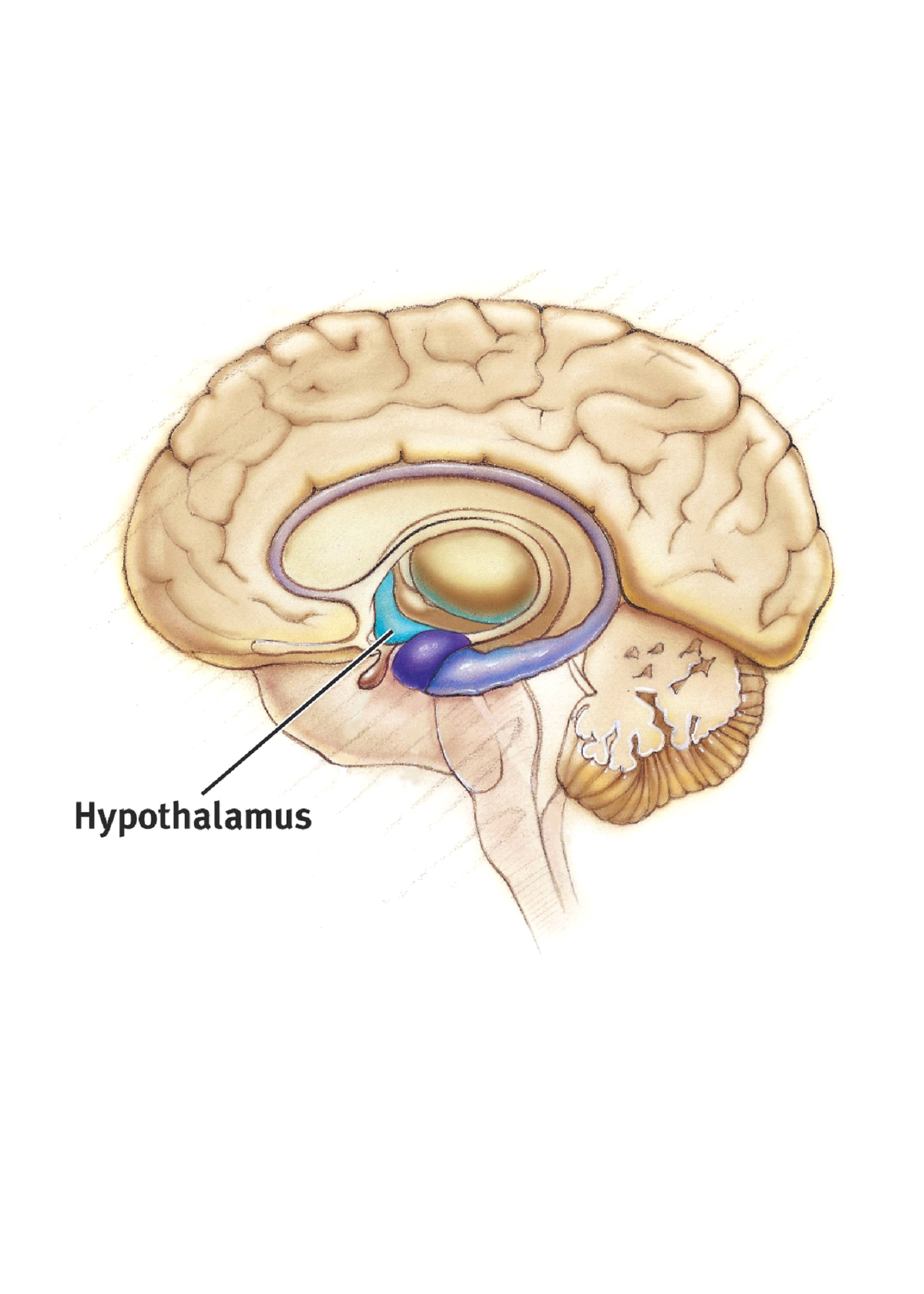
- Limbic System a doughnut-shaped system of neural structures at the
border of the brainstem and cerebrum, associated with emotions such as
fear, aggression and drives for food and sex. It includes the
hippocampus, amygdala, and hypothalamus.
|
|
16
|
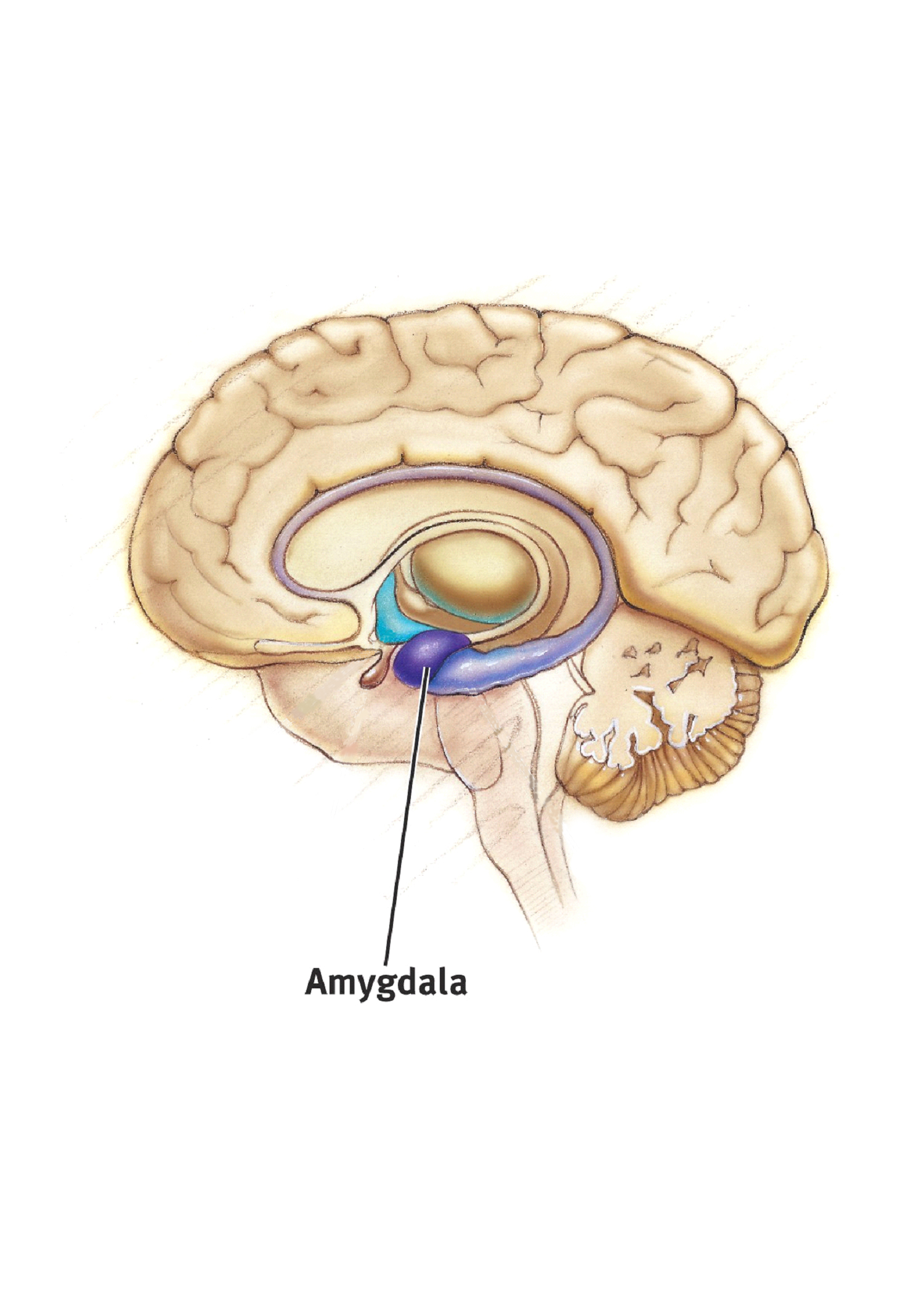
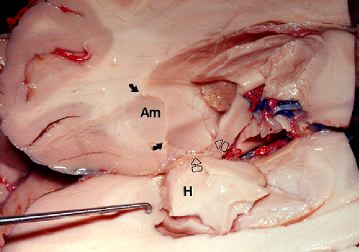
- Amygdala [ah-MIG-dah-la] two almond-shaped neural clusters linked to
emotion of fear and anger.
|
|
17
|
|
|
18
|
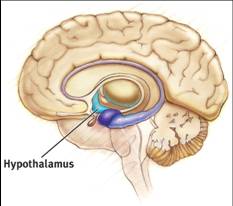
- Hypothalamus lies below (hypo) the thalamus; directs several maintenance
activities like eating, drinking body temperature, and emotions. Helps
govern the endocrine system via the pituitary gland.
|
|
19
|
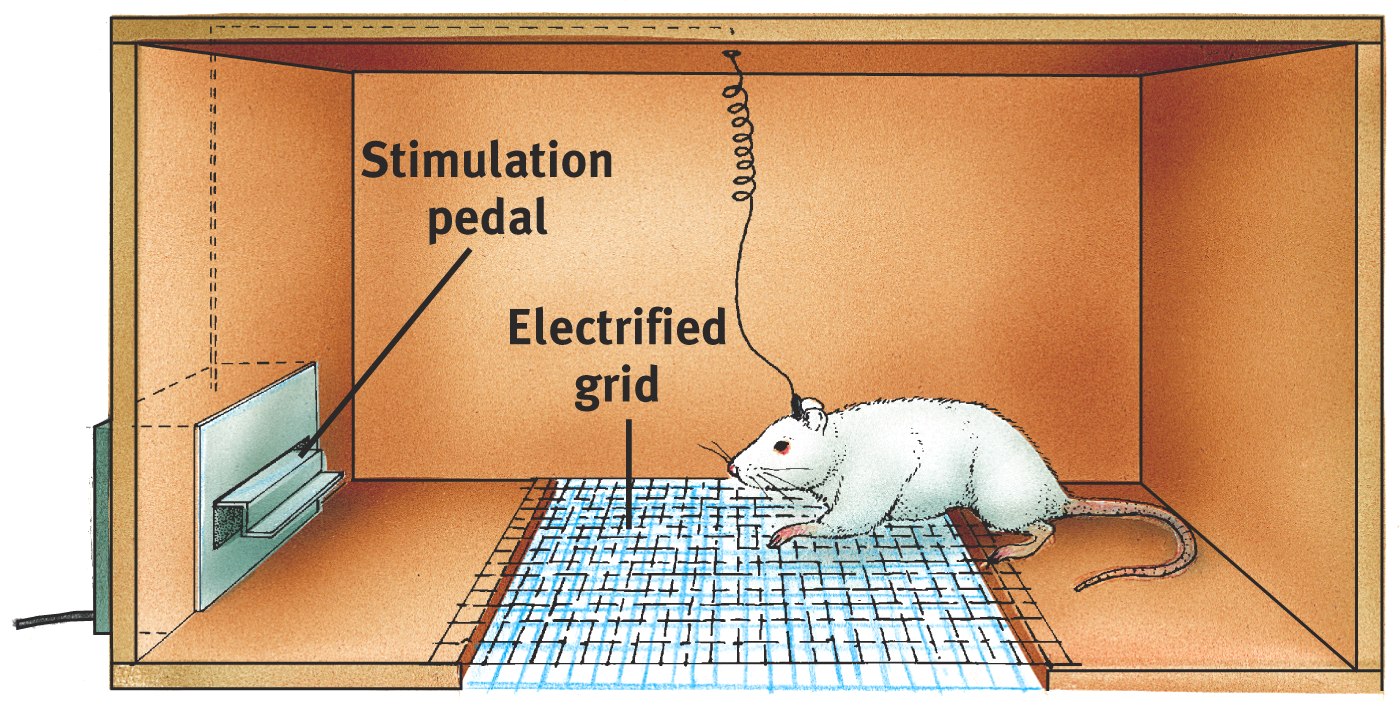
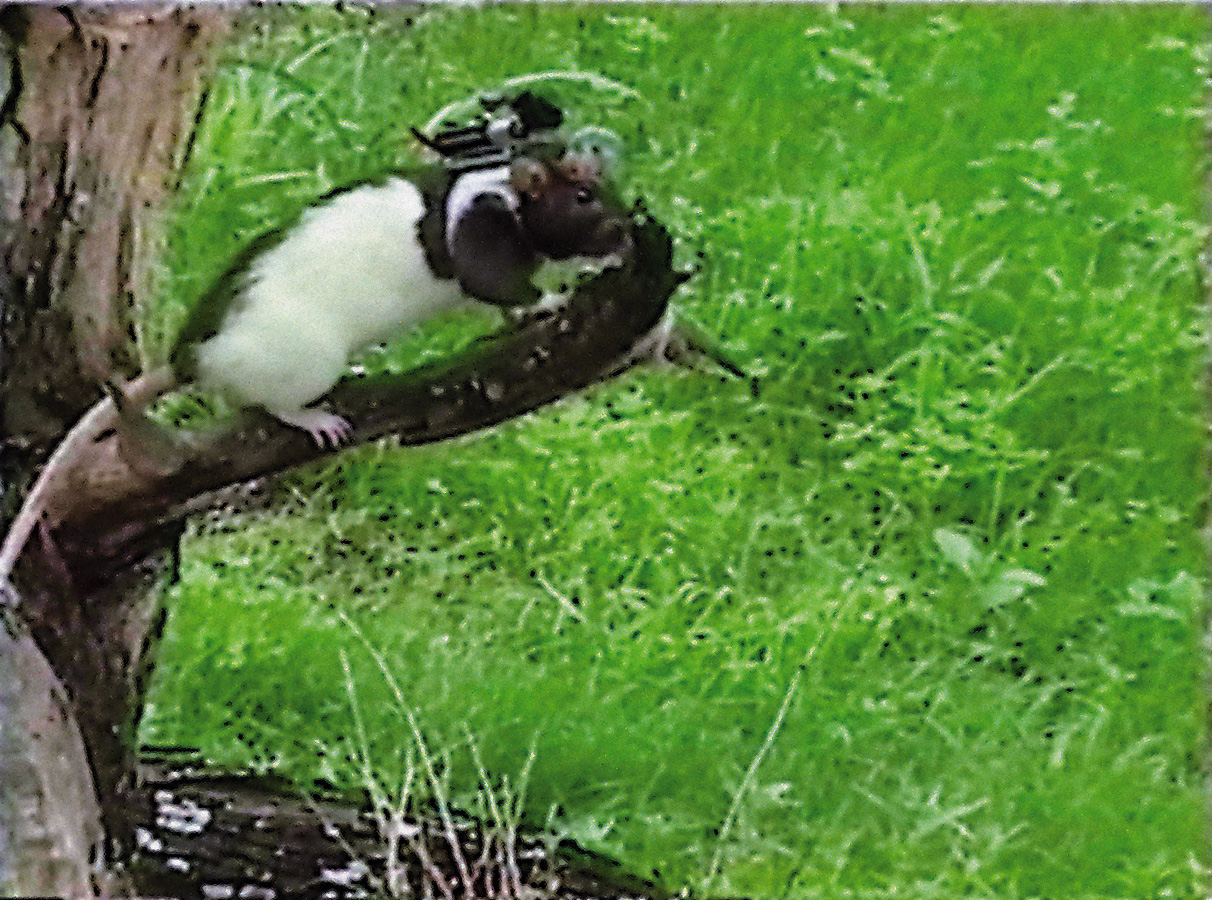
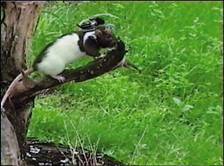
- Rats cross an electrified grid for self-stimulation, when electrodes are
placed in the reward (hypothalamus) center (top picture). When the
limbic system is manipulated rat will navigate fields or climb up a tree
(bottom picture).
|
|
20
|
- The intricate fabric of interconnected neural cells that covers the
cerebral hemispheres. The body’s ultimate control and information
processing center.
|
|
21
|
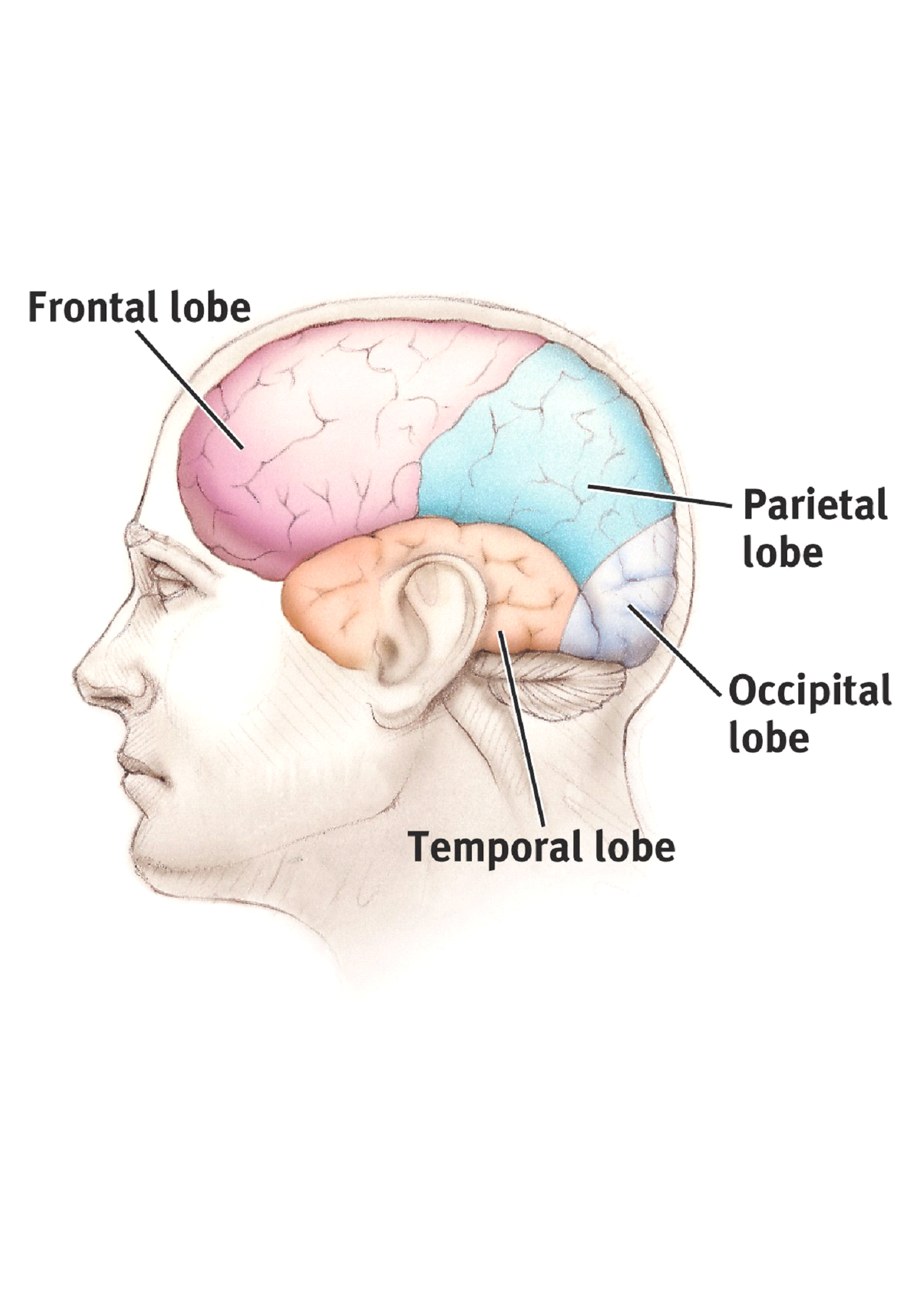
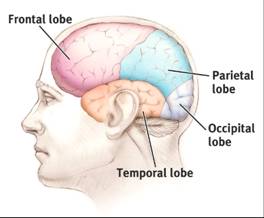
- Each brain hemisphere is divided into four lobes, separated by prominent
fissures. They are frontal lobes (forehead), parietal lobes (top to rear
head), occipital lobes (back head) and temporal lobes (side of head).
|
|
22
|
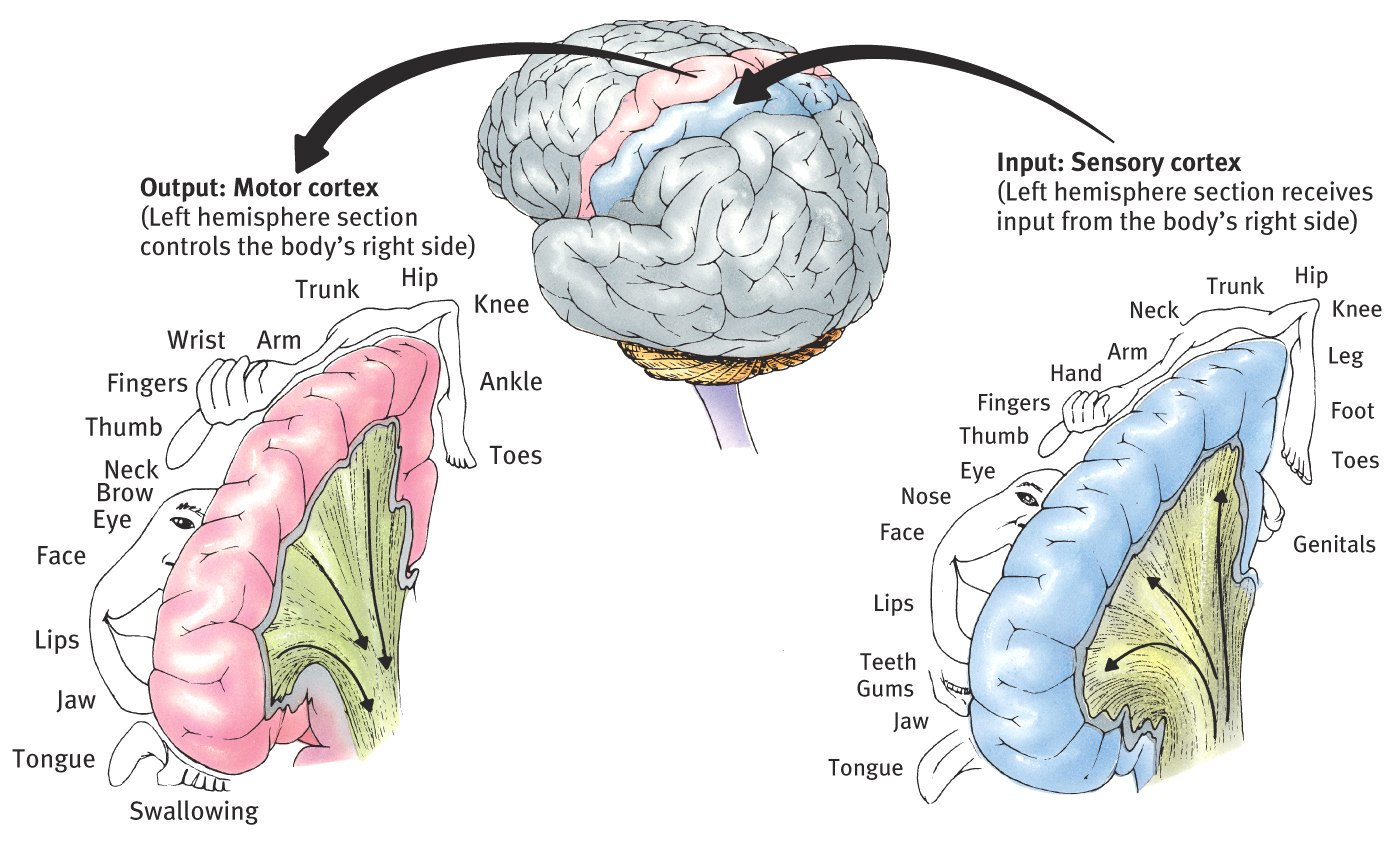
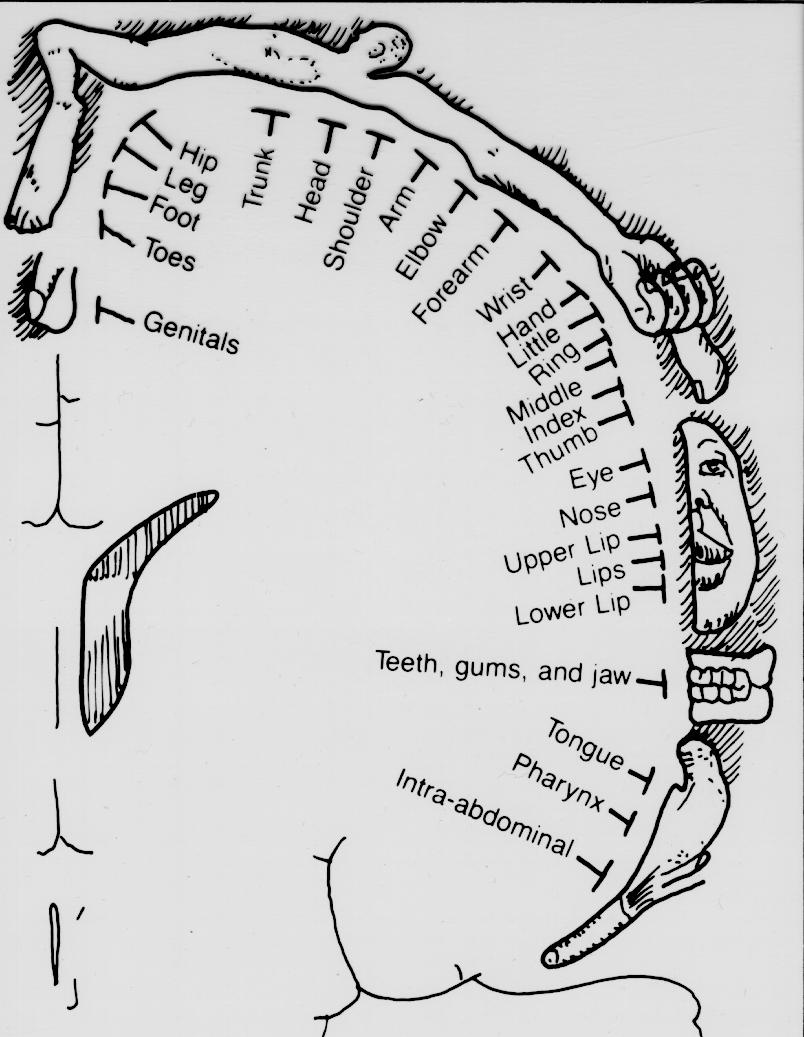
- Motor Cortex area at the rear of the frontal lobes controls voluntary
movements. Sensory Cortex (parietal cortex) receives information from
skin surface and sense organs.
|
|
23
|
- Motor Cortex area at the rear of the frontal lobes controls voluntary
movements. Sensory Cortex (parietal cortex) receives information from
skin surface and sense organs.
|
|
24
|
- Functional MRI scan shows the visual cortex activates as the subject
looks at faces.
|
|
25
|
- Functional MRI scan shows the auditory cortex is activated in patients
who hallucinate (hear voices).
|
|
26
|
- More intelligent animals have increased “uncommitted” or association
areas of the cortex.
|
|
27
|
|
|
28
|
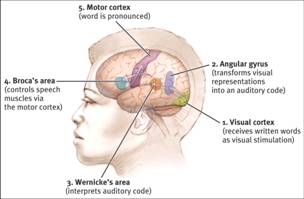
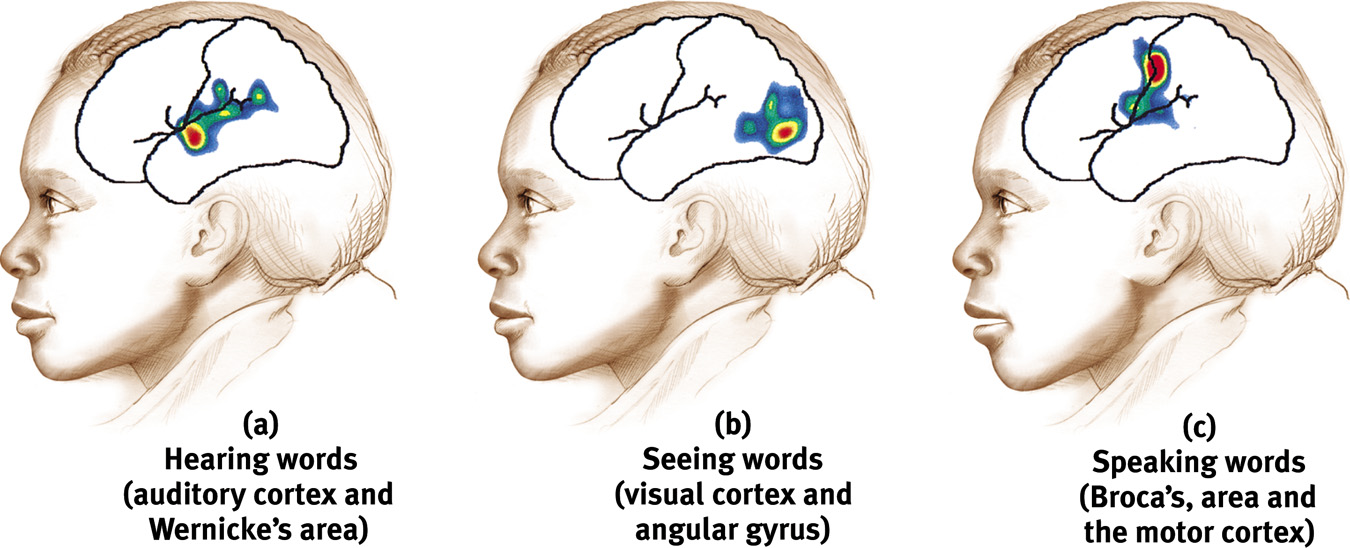
- Brain activity when hearing, seeing, and speaking words
|
|
29
|
- Brain is sculpted by our genes but also by our experiences.
- Plasticity refers to the brain’s ability to modify itself after some
type of injury or illness.
|
|
30
|
- Our brain is divided into two hemispheres.
- Left hemisphere processes reading, writing, speaking, mathematical,
comprehension skills, and thus termed as the dominant brain in the
1960s.
|
|
31
|
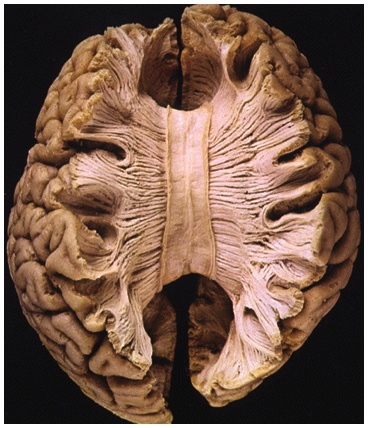
- A procedure in which the two hemispheres of the brain are isolated by
cutting the connecting fibers (mainly those of the corpus callosum)
between them.
|
|
32
|
- With the corpus callosum severed, objects (apple) presented in the right
visual field can be named. Objects (pencil) in the left visual field
cannot.
|
|
33
|
|
|
34
|
|
|
35
|
|
|
36
|
- Is handedness inherited? Yes. Archival and historic studies to modern
medical studies point that right hand is preferred. This suggests, genes
and/or prenatal factors influence handedness.
|
|
37
|
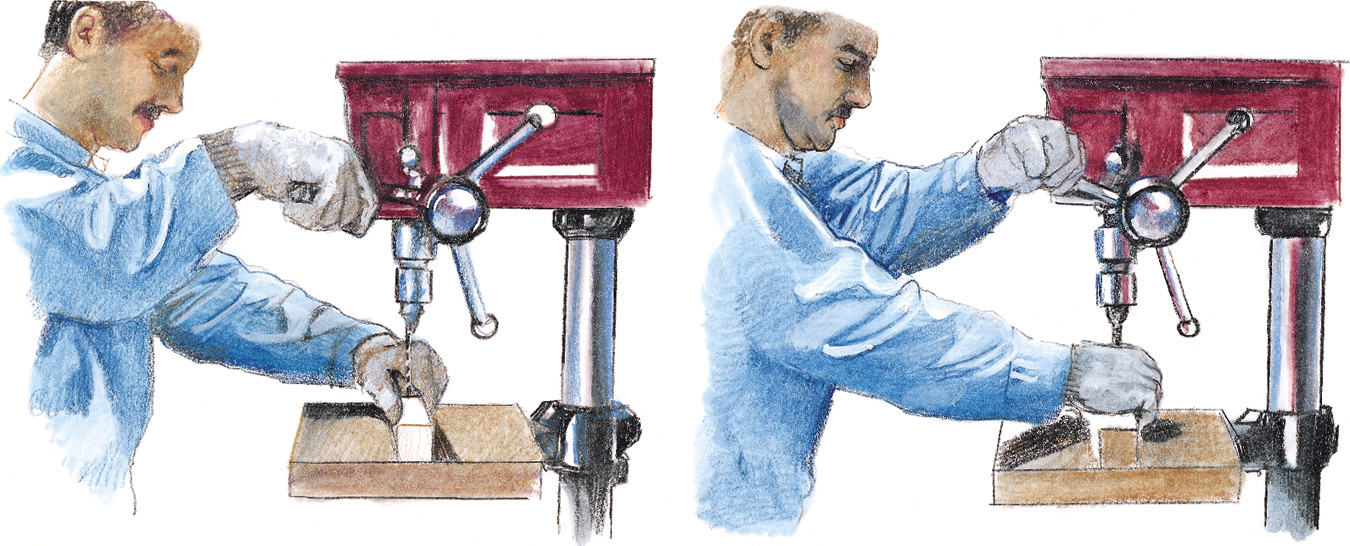
- Being a left hander is difficult in a right-handed world.
|
|
38
|
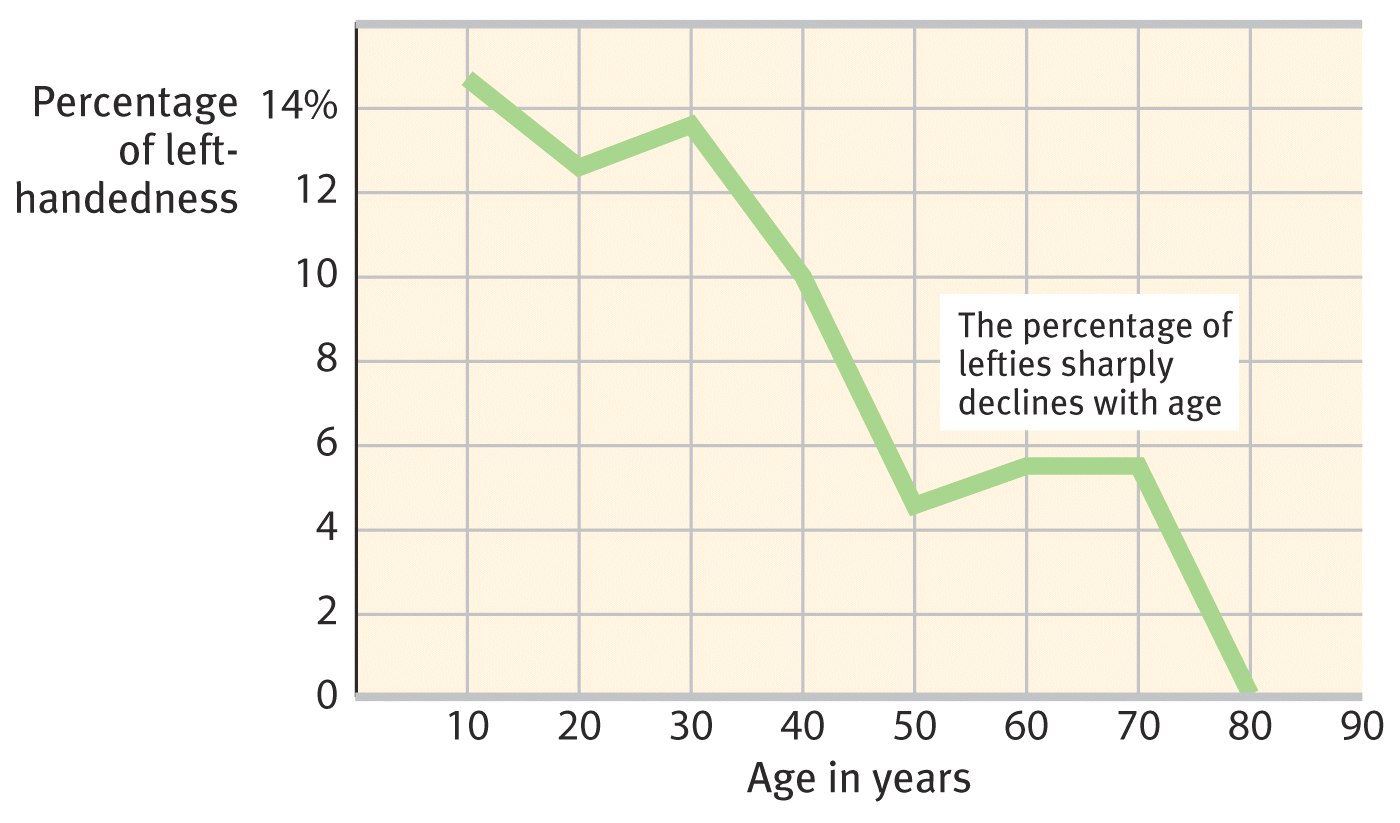
- The percentage of left-handers decreases sharply in samples of older
people (Coren, 1993).
|

 Notes
Notes